
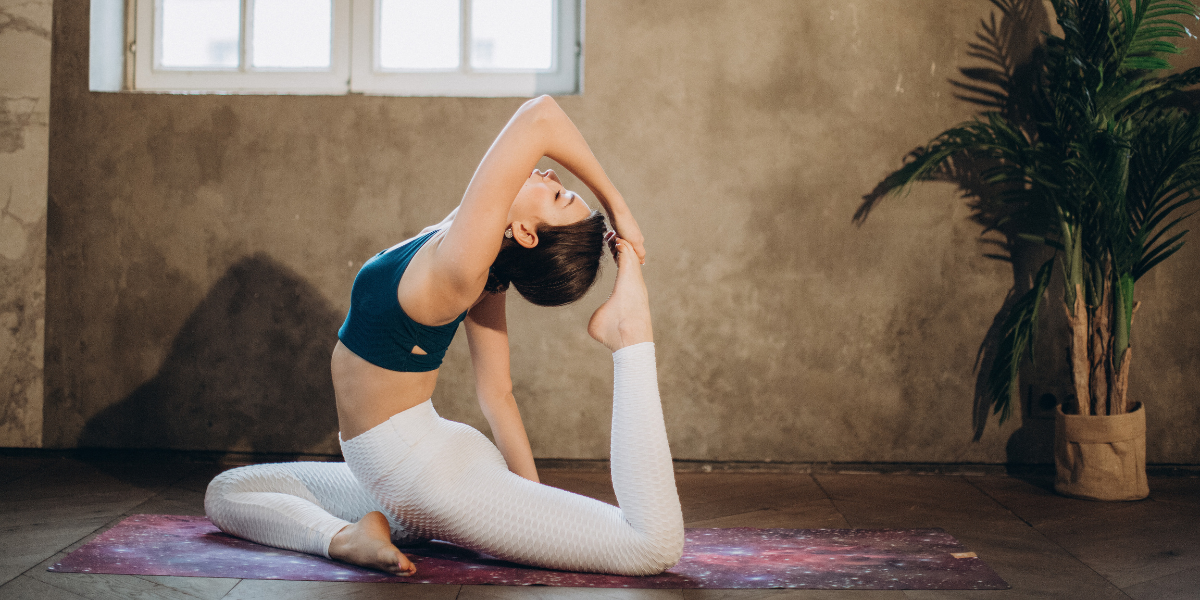
Your body remembers what your mind tries to forget. Every unprocessed emotion, every moment of stress, every wave of grief or anger finds its way into the subtle architecture of your physical being, settling into muscles, joints, and energy pathways like sediment in a riverbed. This profound connection between emotional experience and physical sensation forms the foundation of tantric yoga’s approach to healing—a gentle yet transformative practice that recognizes your body as both the keeper of wounds and the gateway to wholeness.
Unlike the vigorous flows often associated with modern yoga, tantric yoga for emotional healing embraces slowness, presence, and the sacred art of listening to what your body has been trying to tell you. Through deliberate movement, conscious breathing, and compassionate awareness, this ancient practice creates space for emotions to surface, be witnessed, and ultimately release their grip on your nervous system.
Understanding the Sacred Connection Between Body and Emotion
Tantric yoga views the human experience as an intricate dance between the physical, emotional, energetic, and spiritual dimensions of being. Rather than seeing emotions as inconveniences to be pushed away or problems to be solved, this practice honors them as messengers carrying vital information about your inner landscape. When emotions become trapped within the body’s tissues, they create patterns of tension, restriction, and energetic blockage that can manifest as chronic pain, anxiety, or a persistent sense of disconnection from your authentic self.
The word “tantra” itself means “to weave” or “to expand,” reflecting the practice’s fundamental principle of integration rather than separation. In the context of emotional healing, tantric yoga weaves together breath, movement, and awareness to create a container spacious enough to hold whatever arises. This approach acknowledges that healing happens not through force or willpower, but through gentle invitation and loving presence.
The beauty of tantric yoga lies in its recognition that your body possesses an innate wisdom about what it needs to heal. Through careful attention to sensation, breath, and the subtle movements of energy, you begin to develop a dialogue with this inner intelligence. This conversation between conscious awareness and somatic wisdom becomes the foundation for profound emotional release and healing.
Creating Your Sacred Space for Emotional Processing
Establishing Physical Safety and Comfort
Before exploring any tantric yoga poses for emotional release, the creation of a safe, nurturing environment becomes paramount. Your nervous system needs to feel secure before it will allow deeper layers of emotion to surface. Choose a quiet space where you won’t be interrupted, perhaps dimming the lights or lighting a candle to signal to your system that this is sacred time. Gather props that support comfort—blankets, pillows, bolsters—anything that helps you feel held and supported.
Temperature plays a crucial role in emotional processing, as the body often experiences fluctuations in warmth and coolness as emotions move through the system. Have layers of clothing available, and trust your body’s signals about what it needs in each moment. Some practitioners find that keeping a journal nearby allows for the immediate capture of insights or emotions that arise during practice.
Cultivating Inner Safety Through Intention Setting
The tantric approach to emotional healing begins with the recognition that you are both the observer and the observed, the healer and the one seeking healing. Before moving into physical postures, take time to connect with your intention for the practice. This isn’t about setting goals or expectations for specific outcomes, but rather about cultivating a quality of presence that honors whatever wants to emerge.
Place one hand on your heart and another on your belly, feeling the rhythm of your breath and the steady beat of your heart. Silently offer yourself permission to feel whatever arises without judgment or the need to change it. This simple act of self-compassion creates the energetic foundation that allows emotional release to occur naturally and safely.

The Five Gentle Poses for Emotional Release
Pose 1: Supported Child’s Pose with Heart Opening (Balasana Variation)
Child’s pose in its traditional form offers comfort and introspection, but this tantric variation specifically targets the heart center where so much emotional energy resides. Begin by placing a bolster or several pillows lengthwise on your mat. Come to hands and knees, then slowly lower your hips back toward your heels while extending your arms forward over the support.
Instead of turning your head to one side as in classical child’s pose, rest your forehead on the props and allow your chest to gently open over the support. This positioning creates space across the heart chakra while maintaining the grounding quality of forward folding. The key to emotional release in this posture lies in the breath—allow your exhales to be longer than your inhales, creating space for whatever emotions want to move.
Notice any sensations that arise across your chest, shoulders, or upper back. These areas often hold grief, disappointment, and unexpressed love. Rather than trying to breathe into these sensations, simply acknowledge them with kindness. Some practitioners experience waves of emotion in this pose—tears, sighs, or even gentle trembling. All of these responses indicate that your nervous system is safely releasing stored tension.
Hold this pose for three to five minutes, allowing your weight to fully surrender to the support beneath you. When ready to emerge, do so slowly, pausing in a comfortable seated position to integrate whatever has shifted.
Pose 2: Reclined Bound Angle with Heart Expansion (Supta Baddha Konasana)
This deeply restorative pose opens the entire front body while creating a sense of supported vulnerability that allows the heart to process stored emotions. Lie on your back with the soles of your feet together, knees falling out to the sides. Place pillows or bolsters under each knee to support the legs, removing any strain from the hip flexors that might cause the body to guard or protect.
For the heart opening element, place a folded blanket or small pillow under your shoulder blades, allowing your chest to gently arch while your head remains supported. Rest your arms out to the sides with palms facing up—a gesture of openness and receptivity that signals to your nervous system that it’s safe to let go.
The magic of this pose lies in its capacity to hold you while simultaneously creating expansion. Many practitioners find that emotions related to relationships, both with others and with themselves, surface in this position. The hip opening can release emotions stored in the pelvis—our center of creativity and sexuality—while the heart opening addresses feelings held in the chest and throat.
Focus on extending your exhales, allowing each out-breath to create more space in your chest cavity. If emotions arise, breathe with them rather than trying to control or direct them. This pose teaches the profound lesson that we can be simultaneously open and supported, vulnerable and safe.
Pose 3: Gentle Spinal Waves (Seated Cat-Cow Variation)
The spine serves as the highway for both nervous system signals and energetic flow, making spinal movement essential for emotional release. This seated variation allows for more subtle, controlled movement that respects the sensitivity often present during emotional processing. Sit comfortably on a pillow or blanket with your legs crossed, ensuring your hips are slightly elevated above your knees.
Place your hands gently on your knees and begin to create small, wavelike movements through your spine. On the inhale, gently arch your back, lifting your chest and allowing your shoulder blades to draw together. On the exhale, round your spine forward, drawing your chin toward your chest and creating space between your shoulder blades.
The key to emotional release through spinal movement lies in honoring the natural rhythm of your breath and allowing the movement to be soft, almost liquid. This isn’t about creating large, dramatic movements, but rather about awakening the subtle intelligence of your spine and nervous system. Many practitioners find that specific areas of the spine feel tight or resistant—these are often places where emotions have been stored.
As you continue the gentle waves, notice if any particular part of your spine wants to move differently or feels like it needs extra attention. Trust these impulses, allowing your movement to become increasingly intuitive. Some find that emotions release through spontaneous sighs, yawns, or gentle trembling—all signs that your nervous system is processing and integrating stored experiences.
Pose 4: Supported Side-Lying Twist (Parsva Balasana)
Twisting postures in tantric yoga serve as powerful tools for releasing emotions stored in the organs and deep core muscles. This supported variation ensures that the twist happens gradually and safely, allowing for deep release without overwhelming the system. Begin by lying on your right side with a bolster or several pillows placed lengthwise in front of you.
Draw your knees up toward your chest slightly, then extend your top arm over the bolster while keeping your lower arm comfortable under your head or extended along the floor. The bolster should support your top arm completely, allowing your shoulder and chest to gently open while your lower body remains stable and grounded.
This asymmetrical positioning creates a gentle spiral through the spine that encourages the release of emotions stored in the organs—particularly those related to anger, frustration, and digestive stress. The liver, stomach, and intestines often hold emotional residue from life experiences, and this supported twist creates space for these organs to shift and release.
Breathe deeply into your lower ribs, imagining your breath spiraling through your torso with each inhale and exhale. Many practitioners experience a sense of wringing out or cleansing in this pose, sometimes accompanied by gurgling sounds from the digestive system or spontaneous deep breaths. Stay in this variation for several minutes before slowly transitioning to the other side, ensuring you balance the energetic release.

Pose 5: Legs-Up-the-Wall with Heart Integration (Viparita Karani Variation)
This restorative inversion serves as a powerful culmination for an emotional release practice, helping to integrate whatever has moved while supporting the nervous system’s return to equilibrium. Position yourself near a wall with your legs extended up against it, your back flat on the floor. Place a folded blanket or bolster under your lower back to create a gentle supported backbend.
Rest your arms out to the sides with palms facing up, or place one hand on your heart and one on your belly to maintain connection with your breath and emotional center. The inversion helps shift both blood flow and energetic flow, often creating a sense of renewal and clarity after the deeper work of emotional processing.
In this final pose, focus on integration rather than further release. Allow your breath to return to its natural rhythm, and notice any shifts in your emotional landscape compared to when you began the practice. Many practitioners experience a profound sense of spaciousness or lightness, as if emotional weight has literally been lifted from their system.
The beauty of this closing pose lies in its capacity to help you transition back into daily life while maintaining the openness and clarity cultivated through the practice. Stay here for five to ten minutes, allowing your nervous system to fully absorb the benefits of the emotional release work.
Integrating Breathwork for Deeper Emotional Processing
The breath serves as the bridge between conscious intention and unconscious patterns, making breathwork an essential component of tantric yoga for emotional healing. Unlike breathing techniques focused on energizing or calming, the breath practices that support emotional release emphasize awareness, acceptance, and gentle movement of energy through the body.
Throughout each pose, maintain what tantric practitioners call “conscious breathing”—a quality of attention that notices the natural rhythm of your breath without trying to control it. This witnessing awareness creates space for emotions to surface organically, supported by the steady rhythm of inhalation and exhalation. When emotions do arise, resist the urge to change your breathing pattern dramatically; instead, allow your breath to respond naturally to whatever you’re experiencing.
Many practitioners discover that specific breathing patterns emerge spontaneously during emotional release work. You might find yourself naturally exhaling longer than usual, or taking sudden deep breaths that seem to come from nowhere. These are signs that your body’s innate wisdom is guiding the healing process. Trust these impulses, allowing your breath to become a partner in the journey rather than something you control.
The power of breathwork in emotional release lies not in technique but in presence. Each breath becomes an opportunity to say yes to whatever you’re experiencing, creating the internal spaciousness necessary for healing to occur. This approach honors the tantric principle that the path to freedom leads through acceptance rather than resistance.
Honoring the Emotional Healing Journey
Emotional healing through tantric yoga rarely follows a linear path. Some practices might bring immediate relief and clarity, while others might seem to stir things up without immediate resolution. This unpredictability reflects the complex nature of emotional processing and the wisdom of your body’s timing for release and integration.
Understanding that healing happens in layers helps cultivate patience with the process. Each time you approach these poses with conscious awareness, you create an opportunity for deeper layers of stored emotion to surface and release. What feels complete in one session might reveal new dimensions in the next, reflecting the ongoing nature of emotional growth and healing.
The tantric approach recognizes that true healing involves not just the release of stored emotions, but the cultivation of new patterns of relating to emotional experience. Through regular practice, you develop the capacity to meet whatever arises with presence and compassion, transforming your relationship with difficult emotions from one of resistance to one of curious acceptance.
This shift in relationship becomes perhaps the most profound healing of all—the recognition that you have the capacity to hold space for the full spectrum of human emotion without being overwhelmed or controlled by it. Each practice session strengthens this capacity, building what might be called “emotional resilience” through direct experience rather than intellectual understanding.
Creating Sustainable Healing Practices
The transformation offered by tantric yoga for emotional healing unfolds most powerfully through consistent, gentle practice rather than intense, sporadic sessions. Consider these poses as a toolkit you can return to whenever you notice emotional tension accumulating in your system. Even fifteen minutes of conscious movement can create significant shifts in your emotional state and overall well-being.
Pay attention to which poses resonate most strongly with your current emotional needs. Some days you might crave the nurturing comfort of supported child’s pose, while other times the opening quality of reclined bound angle might call to you. Learning to listen to these internal promptings develops your capacity for self-care and emotional attunement.
Many practitioners find that keeping a simple practice journal enhances the healing process. Not detailed analysis or emotional processing, but simply noting what you practiced and any shifts you observed. Over time, these notes reveal patterns and insights that support your ongoing journey of emotional healing and self-discovery.
Remember that healing happens not only during formal practice time but in the integration that occurs afterward. The spaciousness and awareness cultivated through these poses naturally extends into daily life, creating opportunities for more conscious responses to emotional challenges and stressful situations.
Embracing Your Path to Emotional Freedom
The journey of emotional healing through tantric yoga offers a profound invitation to reclaim your relationship with the full spectrum of human experience. Through gentle movement, conscious breathing, and compassionate presence, you discover that your body possesses not only the memory of wounds but also the innate wisdom necessary for healing and wholeness.
Each time you unroll your mat with the intention of emotional healing, you make a powerful statement of faith in your capacity for transformation. You acknowledge that healing is possible, that stored emotions can be released, and that you deserve to live with an open heart and a nervous system at peace. This recognition becomes the foundation for all the healing that follows.
The five gentle poses shared here offer a beginning, not an end. They serve as doorways into deeper exploration of the mind-body connection and the transformative power of conscious movement. As you continue practicing, allow your intuition to guide you toward variations and modifications that serve your unique healing process.
Your emotional healing journey is sacred work that deserves to be honored and supported. Through the ancient wisdom of tantric yoga, adapted for modern needs and sensitivities, you have access to tools that have guided countless individuals toward greater emotional freedom and authentic self-expression. Trust in the process, be patient with yourself, and remember that every moment of conscious presence contributes to your ongoing healing and transformation.
For those interested in holistic approaches to health and appearance, it’s worth noting that practices such as Beauty Sleep also contribute to deep emotional and physical rejuvenation.


