

This site uses cookies for analytics and to improve your experience. By clicking Accept, you consent to our use of cookies. Learn more in our privacy policy.
When you purchase through links on our site, we may earn an affiliate commission. Here’s how it works.
Are you lying wide awake at night waiting to fall asleep but end up staring at the ceiling all night? Insomnia is a cruel stress that keeps us tossing and turning all night only to leave us feeling drained in the morning. No one solution is the perfect answer for someone with the same sleep disorder, but this might be your ticket to finally fixing your sleep problems – an insomnia diet.
Eating the right food can help you win the battle with insomnia, aiding your regulation by balancing your natural sleep-wake cycle for achieving quality sleep.
To start with, add some tryptophan-rich ingredients to your menu (serotonin and melatonin pre-cursors) for a good sleep pattern. Great sources of tryptophan include turkey, chicken, nuts and seeds, and tofu, all of which are perfect for dinner or bedtime snacks.
Eat foods with magnesium to promote better sleep. Magnesium relaxes the muscles and the nervous system, making it easier for you to fall asleep. Try adding in some leafy greens, legumes, nuts and seeds, and whole grains during your day to meet your magnesium needs and get a chance to enjoy a cozy, worry-free feeling tonight.
And importantly, stay hydrated. Not getting enough water will push your body to feel worn out and make it more challenging for you to enter sleep. But, limit the intake of water before sleeping from 1 to 2 hours to keep your bladder in sync with your sleep.

However, whether you break the unhealthy eating habit away with a bowl full of sleep-friendly food, you should consider that nourishing your way to sleep is less about WHAT you eat and more about WHEN you eat.
Eating dinner in large portions or eating a lot of food too close to bed can disrupt your digestion and keep you up. Lightweight snacks that you can eat easily are the way to go, don’t eat big portions. Like a small bowl of oatmeal with sliced bananas; a handful of almonds, or a piece of whole-grain toast with peanut butter.
Familiarizing and adopting healthy habits of eating before sleep can save your day through attaining deep slumber and feeling empowered in the morning.

Tryptophan is the amino acid precursor to serotonin, and taking tryptophan-rich foods will help boost serotonin production. We mentioned this before, do you remember Tryptophan is present in foods like turkey, chicken, nuts, seeds, tofu, and dairy Products? Eating these foods as part of a meal can release serotonin in your brain and promote feelings of well-being.
Carbohydrates can also elevate brain serotonin. Whole grains, legumes, fruits, and vegetables trigger the release of insulin, which in turn helps remove other amino acids from the bloodstream so that tryptophan can be absorbed by the brain more easily.
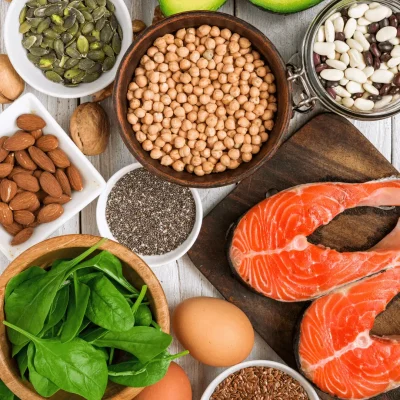
Diving further into the insomnia diet, we are going to tap into the power of nutrition and how serotonin plays an important role in supporting sleep and holistic health.
Serotonin, the “happy” neurotransmitter, is known to influence mood, appetite, and sleep. Amongst other things, low levels of serotonin have been associated with insomnia, depression as well as other mood disorders. Good news You can increase your serotonin levels naturally, right through eating healthy food, and create the peace you need to fall asleep at night.
Remember to choose carbohydrates that are high in fiber and nutrients and won’t cause drastic fluctuations in blood sugar levels. Refined carbohydrates such as white bread, pasta, and sugary snacks can cause a surge in serotonin in the short term, they can also cause blood sugar levels to rise and fall rapidly, which can harm your sleep pattern in the long term.
Eating the right foods is a great natural remedy for how to increase serotonin, and if you then complement those foods with relaxation techniques like deep breathing, meditation, or gentle stretching, you can increase the calming effects of the nutrients and get your body and mind ready for a good night of sleep.
Besides inducing relaxation, you should also consider other components that promote the body’s natural sleep cycle making them a great asset to your battle with insomnia.


While making a conscious effort to equip sleep-friendly food in your diet, you must also be considerate towards your eating habits and your way of life at large. Avoid working out right before bed, or consuming caffeine or other stimulating drugs before bed. These stimulants can keep you up at night. Also, avoid drinking alcohol because we tend to have a bit of sleep when we are drunk which can cause us to have very light sleep nights.
When you do get there, and believe you can, you will feed your body the foods that are proven to induce sleep and you will then go to bed and get the best night’s rest you ever did and it will be the most natural thing in the world, and you will naturally wake up in the morning fired up and ready to go.
Below is an example recipe you can enjoy.
Blended with fiber rich frozen fruit which combines with a combination of Yogurt (rich in magnesium) and bananas (high in potassium), can allow your nerves and muscles to unwind, contributing to a better night of sleep.
INGREDIENTS
DIRECTIONS
Per serving: 272 calories, 5 g fat (1 g saturated), 53 g carbs, 11 g fiber, 10 g protein, 50 mg sodium
Integrating mindful eating habits will be greatly beneficial for quality sleep and health overall. Just ahead, a few habits and tips that will make you sleep soundly by cultivating mindful eating in your daily routines.
1. Practice Mindful Eating: Mindful eating involves eating deliberately. Not only will eating slowly and mindfully prevent you from mindlessly shoveling food in your face while you watch TV or surf the internet, but it can also allow you to better savor each bite, and truly experience the flavors, textures, and sensations of the food. When you take the time to be in the moment with your meals, you not only enjoy them more but allow your body to recognize that it’s eating and will properly create enzymes and break down your food.
2. Feel Your Body: Pay attention to your body’s internal hunger and fullness signals to tell you when to eat. That means we should listen to internal hunger and fullness signals instead of external cues or some arbitrary portion size. This can cause overeating and disrupt our current mealtime patterns, which can lead to insomnia and lower overall well-being.
3. Eat Real Food: Eat whole, nutrient-dense foods that deliver proper nourishment to your body and support your health. In a nutshell, your diet should consist of whole grains, lean proteins, healthy fats, and fresh fruits and vegetables. They offer essential vitamins and minerals that promote sleep, energy, and all-round well-being, supporting good sleep so that you feel your best day and night.

4. Count Your Carbs: Try to take note of your macronutrient (carbs, protein, and fat) profile in your meals, sometimes this can change the way you feel or even sleep at home. With every meal, try to have a balance of foods that provide proteins, fats, and carbs (all of which have an individual role in controlling energy, and supporting hormones and neurotransmitters). However, when combined with protein and healthy fats (as found in carbs), they reduce the sugar spike and provide long-lasting energy, which encourages relaxation and sleep at bedtime.
5. Keep your body supplied with several meals to get varying nutrients but at the same time, you must monitor the portion sizes to avoid over-eating and to ensure better food digestion. Watch your portions and don’t eat more of a particular food that your body needs to feel satisfied. Eating multiple, smaller meals a day could keep you from feeling starved, and help keep your energy levels stable which improves your overall health and sleep.
6. Snacking: Drinking coffee late in the day will take its toll on your sleep pattern, but eating fruit, yogurt, nuts or a healthy snack will set you up for a good night’s sleep. Whole foods that provide fiber and omega-3 fats, like fruits, vegetables, nuts, and seeds, are a better choice than a convenience store high in sugar and highly refined carbs. They are a balanced-snack source of essential nutrients and fiber that promotes satiety to maintain stable performance and blood sugar control benefitting in a good night’s sleep and well-being.
These habits will not only improve your mood and sleep, but they will also prevent cravings and speed weight loss while creating a positive cycle of well-being, making you feel good about your health. Keep checking back here for more on mindful eating for better sleep in our ongoing tips and strategies to help you get more and better sleep, so you can feel good and make the most of every day.

Are you exploring more options for a healthy sleeping lifestyle? Familiarize yourself with Slow Wave Sleep and dig deeper into why it is important to go through it.


