Acupuncture, an ancient healing practice rooted in Traditional Chinese Medicine (TCM), has gained significant popularity in recent years for its potential to address various health concerns, including hormonal imbalances. This blog post explores the intricate relationship between acupuncture and hormones, shedding light on how this time-honored technique may offer a natural solution for those seeking hormonal harmony.
Understanding Hormones and Their Impact
 Hormones are chemical messengers that play a crucial role in regulating various bodily functions, including metabolism, growth, reproduction, and mood. When hormones are out of balance, it can lead to a wide range of symptoms and health issues, such as:
- Irregular menstrual cycles
- Fertility problems
- Mood swings and depression
- Weight gain or loss
- Fatigue and insomnia
- Skin problems
- Thyroid disorders
Many people turn to conventional medicine to address these issues, often resulting in hormone replacement therapy or other pharmaceutical interventions. However, a growing number of individuals are seeking natural alternatives, and acupuncture has emerged as a promising option.
The Science Behind Acupuncture and Hormonal Balance
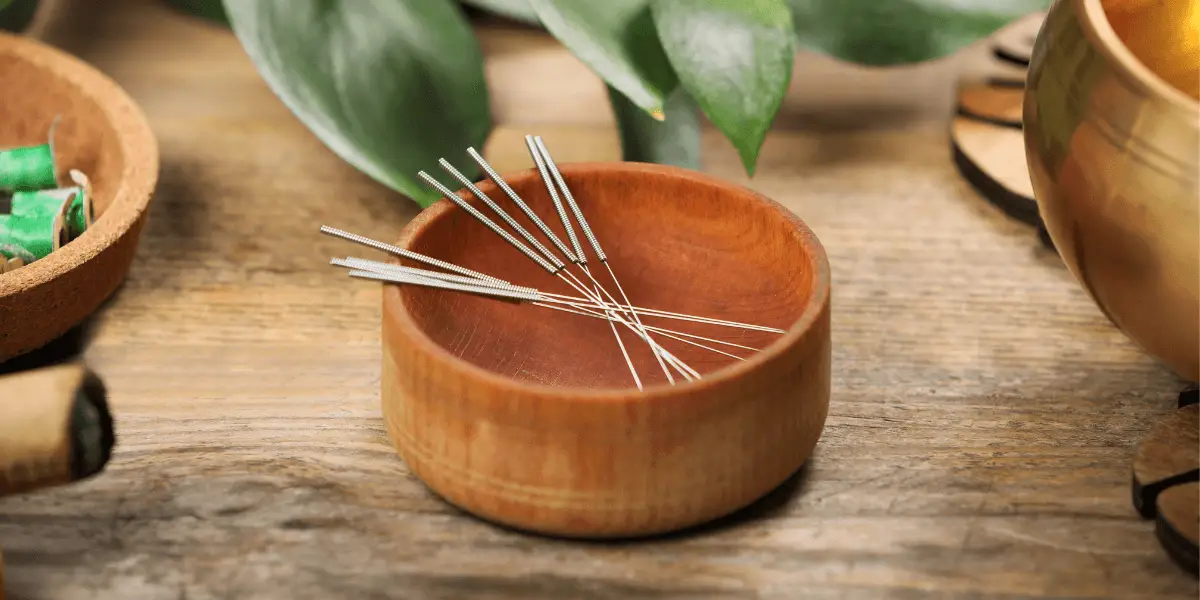
 Acupuncture involves the insertion of thin needles into specific points on the body, known as acupoints. According to TCM, these points are connected to energy pathways called meridians, which regulate the flow of Qi (life force energy) throughout the body. By stimulating these points, acupuncturists aim to restore balance and promote healing. From a Western scientific perspective, research has shown that acupuncture can influence the endocrine system, which is responsible for hormone production and regulation. Several studies have demonstrated acupuncture’s potential to:
- May support the release of endorphins, which may help reduce stress and promote overall well-being
- May help regulate the hypothalamic-pituitary-adrenal (HPA) axis, which plays a crucial role in hormone production
- May support blood flow to endocrine glands, potentially supporting their function
- May help modulate neurotransmitters that influence hormone secretion
Acupuncture for Specific Hormonal Imbalances
Menstrual Disorders and PMS
Many women experience menstrual irregularities and premenstrual syndrome (PMS) symptoms due to hormonal imbalances. Acupuncture has shown promise in addressing these issues by potentially supporting menstrual cycle regularity and may help alleviate symptoms such as cramps, bloating, and mood swings. For example, a study published in the journal “Acupuncture in Medicine” found that women who received acupuncture treatments experienced significant improvements in PMS symptoms compared to those who did not receive treatment.
Fertility and Reproductive Health
Acupuncture has gained popularity among couples struggling with fertility issues. It is believed to may help support the regulation of hormones involved in reproduction, such as follicle-stimulating hormone (FSH) and luteinizing hormone (LH). Some fertility clinics now offer acupuncture as a complementary treatment alongside conventional fertility treatments. A systematic review published in the “Journal of Integrative Medicine” found that acupuncture may improve pregnancy rates in women undergoing in vitro fertilization (IVF) when used in conjunction with embryo transfer.
Menopausal Symptoms
As women transition through menopause, hormonal fluctuations can lead to a range of uncomfortable symptoms, including hot flashes, night sweats, and mood changes. Acupuncture has shown potential in alleviating these symptoms by may helping to support hormone balance and reduce stress. A randomized controlled trial published in “Menopause” found that women who received acupuncture treatments experienced a significant reduction in the frequency and severity of hot flashes compared to those who received sham acupuncture.
Thyroid Disorders
Thyroid imbalances, such as hypothyroidism and hyperthyroidism, can have far-reaching effects on overall health. While conventional treatment typically involves medication, some individuals have found acupuncture to be a helpful complementary therapy for managing thyroid disorders. A study published in the “Journal of Acupuncture and Meridian Studies” suggested that acupuncture may help support thyroid hormone levels and may ease symptoms in individuals with hypothyroidism.
The Acupuncture Experience: What to Expect
For those considering acupuncture for hormonal balance, here’s what a typical session might entail:
- Initial consultation: The acupuncturist will discuss your medical history, lifestyle, and specific concerns.
- Diagnosis: Based on TCM principles, the practitioner will assess your overall health and identify any imbalances.
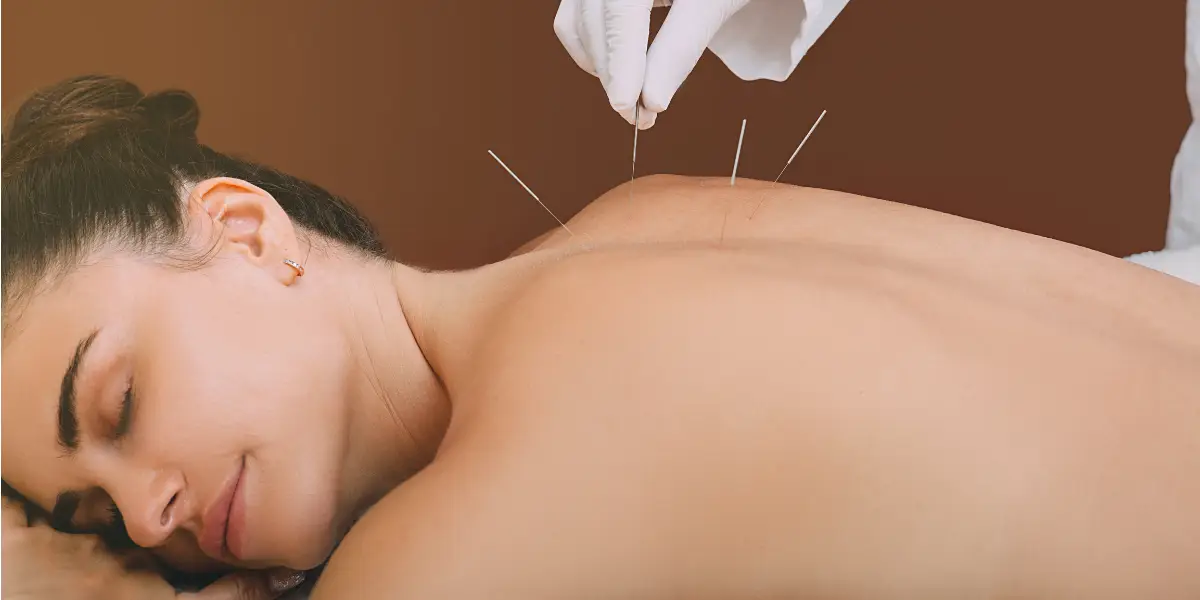
- Treatment: Thin needles will be inserted into specific acupoints, often remaining in place for 20-30 minutes.
- Additional therapies: Some practitioners may incorporate complementary techniques such as cupping, moxibustion, or herbal medicine.
- Follow-up: A series of treatments is typically recommended, with the frequency and duration depending on individual needs.
Tips for Maximizing the Benefits of Acupuncture for Hormonal Balance
- Choose a qualified practitioner: Look for a licensed acupuncturist with experience in treating hormonal imbalances.
- Be consistent: Attend regular sessions as recommended by your practitioner for optimal results.
- Combine with lifestyle changes: Incorporate a balanced diet, regular exercise, and stress-reduction techniques to support hormonal health.
- Keep a symptom journal: Track your symptoms and any changes you notice throughout the course of treatment.
- Communicate openly: Share any concerns or questions with your acupuncturist to ensure personalized care.
The Future of Acupuncture in Hormonal Health
As research in the field of acupuncture and hormonal health continues to evolve, new applications and treatment protocols are emerging. Some exciting trends include:
- Integration of acupuncture into conventional medical settings
- Development of standardized protocols for specific hormonal imbalances
- Exploration of electroacupuncture for enhanced effectiveness
- Combination of acupuncture with other holistic therapies for a comprehensive approach to hormonal health
Frequently Asked Questions
Can acupuncture help with hormonal imbalances?
Research suggests acupuncture may support hormonal balance by influencing the endocrine system and the hypothalamic-pituitary-adrenal axis. Many women report improvements in symptoms like irregular cycles, mood swings, and hot flashes after a course of treatments. Always consult a qualified practitioner to discuss your individual needs.
How many acupuncture sessions are needed for hormonal balance?
The number of sessions varies by individual and condition. Most practitioners recommend a series of regular treatments, often weekly at first, with frequency adjusted as symptoms improve. Consistency is key for the best potential results.
Is acupuncture safe for menopausal symptoms?
Acupuncture is generally considered safe when performed by a licensed practitioner. Studies suggest it may help reduce the frequency and severity of hot flashes and other menopausal symptoms. Discuss your full health history with your acupuncturist before beginning treatment.
Can acupuncture be used alongside conventional hormone treatments?
Many people use acupuncture as a complementary therapy alongside conventional medical treatments. Some fertility clinics and integrative health centers now offer it alongside standard care. Always inform both your medical doctor and acupuncturist about all treatments you are receiving.
Conclusion
Acupuncture offers a natural and holistic approach to addressing hormonal imbalances, with growing scientific evidence suggesting it may be effective for many people. While it may not be a one-size-fits-all solution, many individuals have found relief and improved quality of life through this ancient healing practice. As research continues to uncover the intricate connections between acupuncture and hormonal health, it’s clear that this time-honored technique has a valuable place in the modern approach to wellness. If you’re considering acupuncture for hormonal balance, consult with a qualified practitioner to determine if it’s the right choice for your individual needs. By embracing this natural approach alongside a healthy lifestyle, you may find yourself on the path to hormonal harmony and overall well-being.