Beyond the Gym: Functional Fitness to Stay Fit in Your Daily Life
When you purchase through links on our site, we may earn an affiliate commission. Here’s how it works.
Table of Contents
So perhaps the key to staying in good shape and happy with mental health does not necessarily mean slogging it out at the gym or paying for classes but changing how we see moving. Shifting our thinking from blocks of exercise time to integrating natural movement in the way we move through life not only means exercise will be easier for everyone to access, but it also aligns with how our bodies need consistent, varied movements throughout the day.
What is Functional Fitness?
Mixing up traditional ways to get fit while demonstrating how the everyday things you do already can and should be considered exercise. From kitchen countertop push-ups and cardio that can be done during the commute, we’ll figure out new ways to make your every day contribute to your fitness, turning staying in shape into a routine you can maintain with or without a gym membership, no 2 hour long trips necessary – just some creativity & seeing your world as one big playground for fitness.

Functional Fitness Workouts
Kitchen Workouts: Instant DIY Countertop Workout
An impromptu fitness center is also the kitchen, the heart of the home. All those daily tasks in the hub ring are a perfect opportunity to incorporate strength training, flexibility exercises, or even cardio as you do things like meal prep or cleaning up.
Counter Push-Ups: Get yourself going with the countertop push-ups. How: Position your hands shoulder-width apart on the edge of the counter and step feet behind you, lowering your chest towards the counter This variation pull-up is great for upper body strength and comes in different levels so anyone can start doing them by changing your foot placement.
Squats on the Refrigerator Door: Work your legs while waiting for the microwave to finish. Stand with your back to the fridge and push into it, gently sliding down into a wall-sit position. Stay there as long as you can or until your food is ready. This exercise works your quads, hamstrings, and glutes — building powerful, lower body strength and endurance in the process.
Sink Plank Holds: Use it as a sink while waiting for water to boil, or dishes to soak for a plank hold. Rest your forearms on the sink edge, and step your feet back with your body in one straight line. This exercise may help support core, shoulder, and back strength.
Cabinet Calf Raises: The next time you reach for an item in an upper cabinet, give your calf muscles a workout. Hold that elevated position briefly each time you reach up, intentionally rising onto your tiptoes. Doing this simple activity consistently may help support lower leg strength and stability over time.
Dishwasher squats: Instead of bending over to load/unload the dishwasher, every time you need to get something off the ground do a squat. It is a functional movement mimicking squats you may do in the gym but with a purpose in your daily life.
Office Fitness: Desk Exercises and Active Sitting
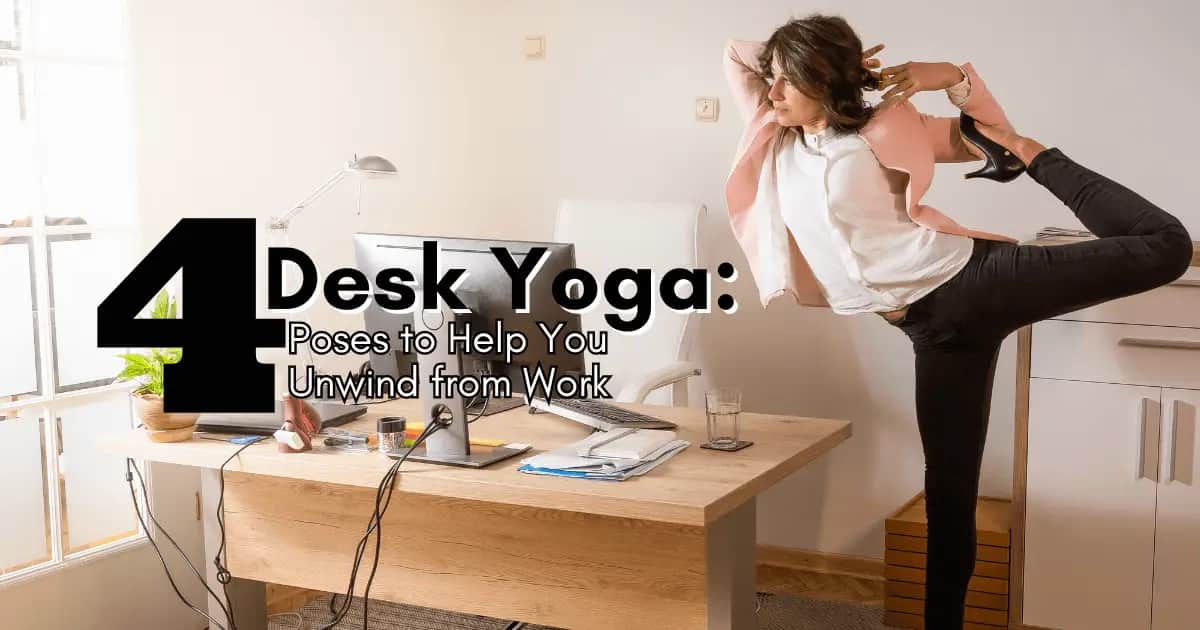
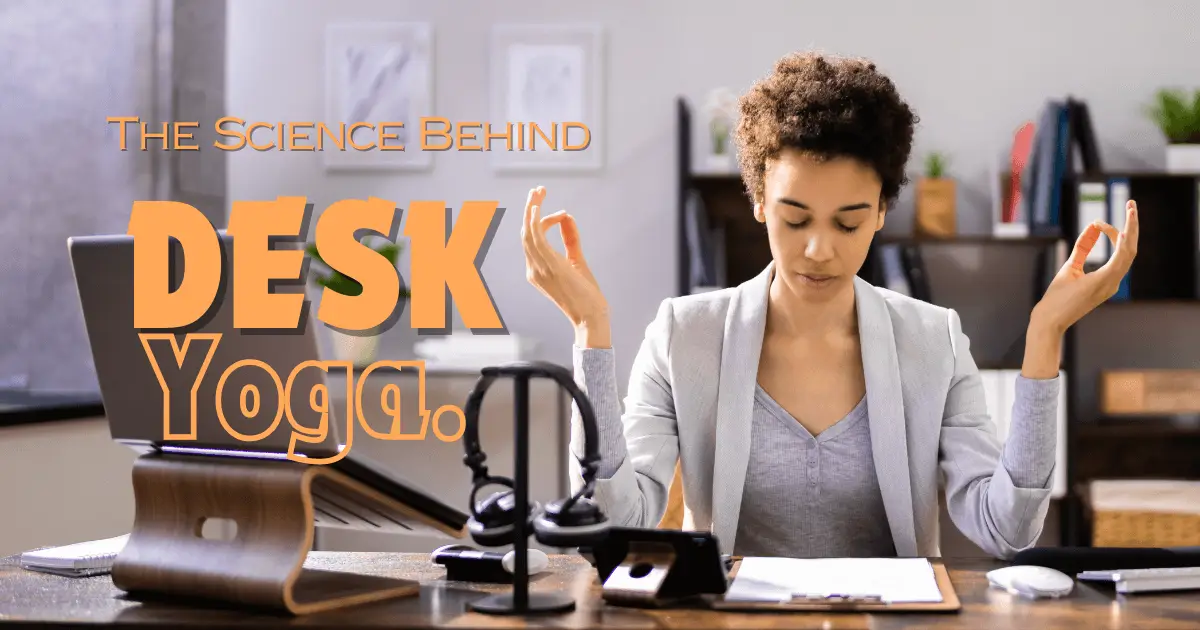
The modern office is a place where people sit for long periods, and this allows little room to keep the body in shape. Yet even if your workplace lacks a gym, you can turn your workspace into an under-the-radar fitness center to help offset some effects of prolonged sitting, without stealing time from work.
Desk Dips: Do a tricep dip using the top edge of the desk. Edge of a Chair: Sit on the edge of your chair with hands just off your thighs on the desk behind you and slide your hips back off the seat. Flex your elbows to lower your body down and then push back up. Triceps-Dips: This exercise focuses on the Tricep, shoulders, and chest muscles.
Chair Squats: Stand up from your chair, but only fully sit back down once all reps are done. Hover in hold for as long as possible then carefully lower back down to the seat. This is a full lower body workout because while doing this exercise you are making use of your quadriceps, hamstrings, and glutes.
Seated Leg Raises: Sit straight on your desk with your legs stretched to the front and lift one, both, or none parallel to the ground as long as possible. This isometric exercise may help support circulation and core and leg strength.
Incline push-ups: Against your desk are a fast activity to get some chest work included in your day. Put your hands on the edge of a desk shoulder-width apart and step back with your feet; lower your chest to the desk. This version will be not as strenuous as a floor push-up but still works your chest, shoulders, and triceps.
Active Sitting: Invest in an exercise ball or use a wobble cushion currently available as your office chair. These unstable surfaces may help keep your core engaged throughout the day, supporting better posture and potentially offsetting some effects of prolonged sitting.
Walking Meetings: Who Else Even Thinks About Walking Meetings Over Just Sitting in a Conference Room? This not only increases your step count but may also support creativity and productivity when viewed as part of an active commuting journey.
Wear Wrist or Ankle Weights: Store one on your desk to use for fast strength training exercises. While seated, you can do bicep curls, shoulder presses, and rowing motions to hit various muscle groups two or three times throughout the day.
Our Team’s Rating: 9.4/10
Our Test's Winner
Our Team’s Rating: 9/10
Most Popular
Household Chores for Exercise: Clean and Garden Your Way to Fitness
Even better, household maintenance — often seen as a necessary evil of the day can become a well-rounded circuit doing wonders for your whole body. You can turn your living area into a gym of its own, while you also… clean up the space.
Chore Cardio: Take the intensity in vacuuming up a notch and it can help you burn even more calories than usual. As you vacuum push and lunge as you go across the room, then engage your center, this way your arms will not tire as much because you are using your entire body. For additional difficulty, some weights should be included for the wrists and ankles.
Laundry: Make laundry day leg day by doing squats every time you load or unload the washing machine or dryer. Stand up instead of sitting down when folding clothes and do calf raises or balance on one leg while doing this for extra stability and lower body strength.
Gardening is a Full Body Workout: Naturally, gardening includes different types of movements working on all muscle parts. Both the acts of digging and raking are great for working your arms, and back, as well as squatting to plant or weed will help strengthen your legs and core muscles. Pushing a wheelbarrow engages your arms, core, and legs in a full-body effort.
Stair-Stepping: As you put things to right, take multiple trips up and down stairs with arms full; not everything in a single back-breaking load. That small change can make a huge difference in your overall step count throughout the day and is also great work for your lower half.
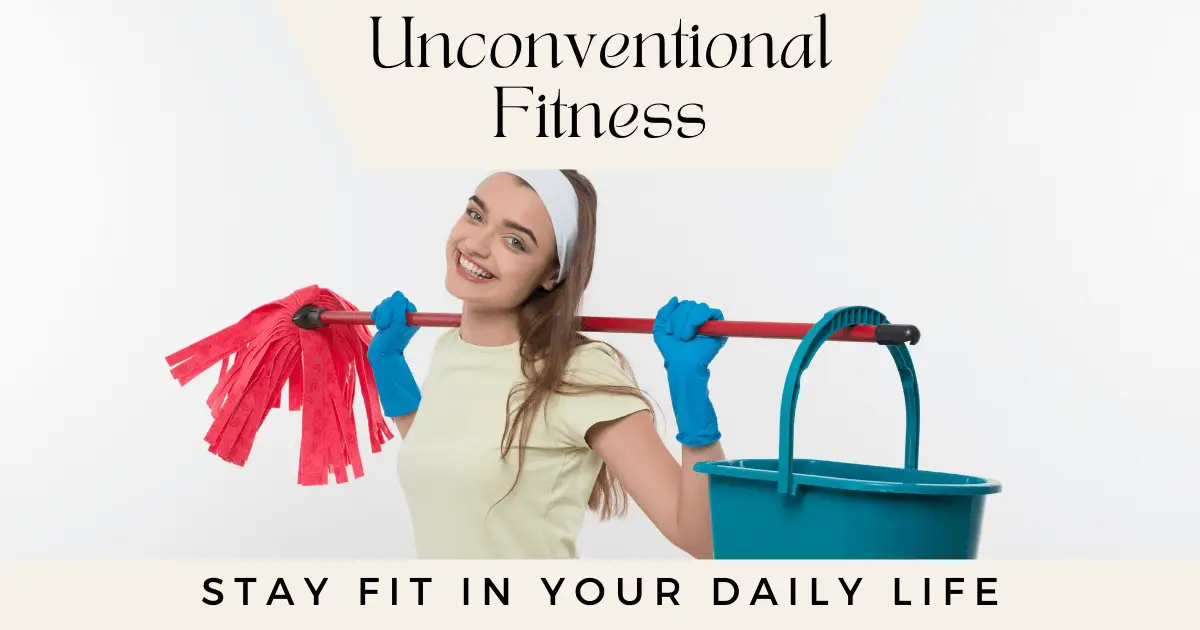
Mopping: Think of mopping as dynamic stretching. Reach high and low– to lengthen, have long, comprehensive motion reaching overhead and bending to the fingertips of your toes working through the core while improving flexibility. Switch sides regularly to keep the muscle work balanced.
Change of Furniture: Putting stuff back or moving it around your room only ensures a refreshing interior and yes a darn STRONG strength class. Engage your legs and core when lifting not just using your back.
Turning your household chores into workouts will keep you active and productive, ensuring that your living space remains clean and orderly while you work toward daily activity requirements as well. Especially useful for individuals who cannot afford the time for traditional workouts and combining chores with physical activity in this way allows you to be efficient while supporting your overall well-being.
You can even go a step further and turn commute time into exercise: cycle or walk, use multiple transport methods, do exercises on public transport (discreetly), park further away from places, use red lights to practice isometric exercises, take the stairs instead of an elevator; walk briskly before/after working remotely, etc. Subscribe to audio workouts) This approach may support both mental and physical well-being.
Public parks offer versatile fitness opportunities using benches. Movements include step-ups, incline push-ups, tricep dips, Bulgarian split squats, bench planks, box jumps, and low-impact variations of seated knee raises and walking lunges. These exercises work to strengthen and boost cardiovascular fitness and are combined with balance, and coordination for a complete outdoor workout scalable to each participant’s fitness level. Stretching and drinking enough water is a must.
Shopping Cart Turn your day of running errands into working out by pushing that cart around the store, calf raises while grabbing at boxed pasta, reverse lunges, and don’t think twice about holding a squat while lifting those items from high shelves to low ones.
Discover the benefits, exercises, and expert tips for adding resistance to your workouts. Read the full article here:
The Ultimate Guide to Wrist and Ankle Weights for Women
Search and read articles and product reviews by category
[
Nutrition & Weightloss
](/nutrition-and-weightloss)[
Meditation & relaxation
](/meditation-and-relaxation)[
Health & Wellness
](/health-and-wellness)[
Beauty
](/beauty)[
Exercise
](/exercise)[
Healing & Spirituality
](/healing-and-spirituality)
Frequently Asked Questions
What is functional fitness and how is it different from gym workouts?
Functional fitness integrates natural movement into everyday activities—such as cooking, cleaning, and commuting—rather than reserving exercise for dedicated gym sessions. It focuses on movements that mimic real-life tasks, helping to support strength, balance, and flexibility throughout your day.
Can household chores really replace a workout?
Household chores like vacuuming, gardening, and mopping may support cardiovascular fitness and muscle engagement when performed with intentional form and added movements such as lunges and squats. While they may not fully replace structured training, they can meaningfully contribute to your daily activity goals.
What are some easy functional fitness exercises I can do at my desk?
Desk dips, chair squats, seated leg raises, and incline push-ups are all discreet exercises you can do at your workstation. Using a wobble cushion or exercise ball as your chair may also help support core engagement and posture throughout the day.
Do I need any equipment for functional fitness at home?
Most functional fitness movements require no equipment at all—your kitchen counter, desk, stairs, and body weight are enough to get started. Optional additions like wrist or ankle weights can add resistance to everyday tasks such as vacuuming or folding laundry.