Do it yourself: The Best Cleaning Product Recipes
When you purchase through links on our site, we may earn an affiliate commission. Here’s how it works.
Table of Contents
Have you ever stood in the cleaning aisle of your local supermarket, feeling overwhelmed by the sheer number of products claiming to be the perfect solution for your home? You’re not alone. Today, let’s dive deep into the world of household cleaners and uncover some surprising truths that might change the way you think about cleaning your home.
Making the Switch
Transitioning to natural cleaning products doesn’t have to happen overnight. Start by replacing one commercial cleaner at a time as they run out. Label your homemade solutions clearly and keep a simple recipe card nearby for quick reference.
Remember, our grandparents didn’t have access to the vast array of specialized cleaning products we see today, yet they managed to keep their homes clean and sanitary. Sometimes, the old ways really are the best ways.
The next time you’re tempted by those colorful bottles and promises of miracle cleaning power, remember what’s really inside them. Your wallet, your health, and our planet will thank you for making the switch to simpler, natural alternatives.
What are your thoughts on natural cleaning solutions? Have you tried making your own cleaning products at home? I’d love to hear about your experiences and any natural cleaning tips you might have to share!
The Benefits of Going Natural
- Cost-Effective:
– Natural ingredients are typically cheaper
– Solutions can be made in bulk
– Reduces the need for multiple specialized product
- Environmental Impact:
– Biodegradable ingredients
– Less plastic waste
– Reduced chemical pollution
- Health Benefits:
– Fewer harsh chemicals in your home
– May support better respiratory health
– Generally safer for children and pets
- Cleaning Efficiency:
– May work just as well as commercial products
– Can be customized to your specific needs
– Multi-purpose applications
Start here - You will need the essentials
Here’s how to use pH to your advantage:
– High pH (Alkaline): Perfect for kitchen grease
– Low pH (Acidic): Ideal for bathroom limescale
– Neutral pH: General cleaning
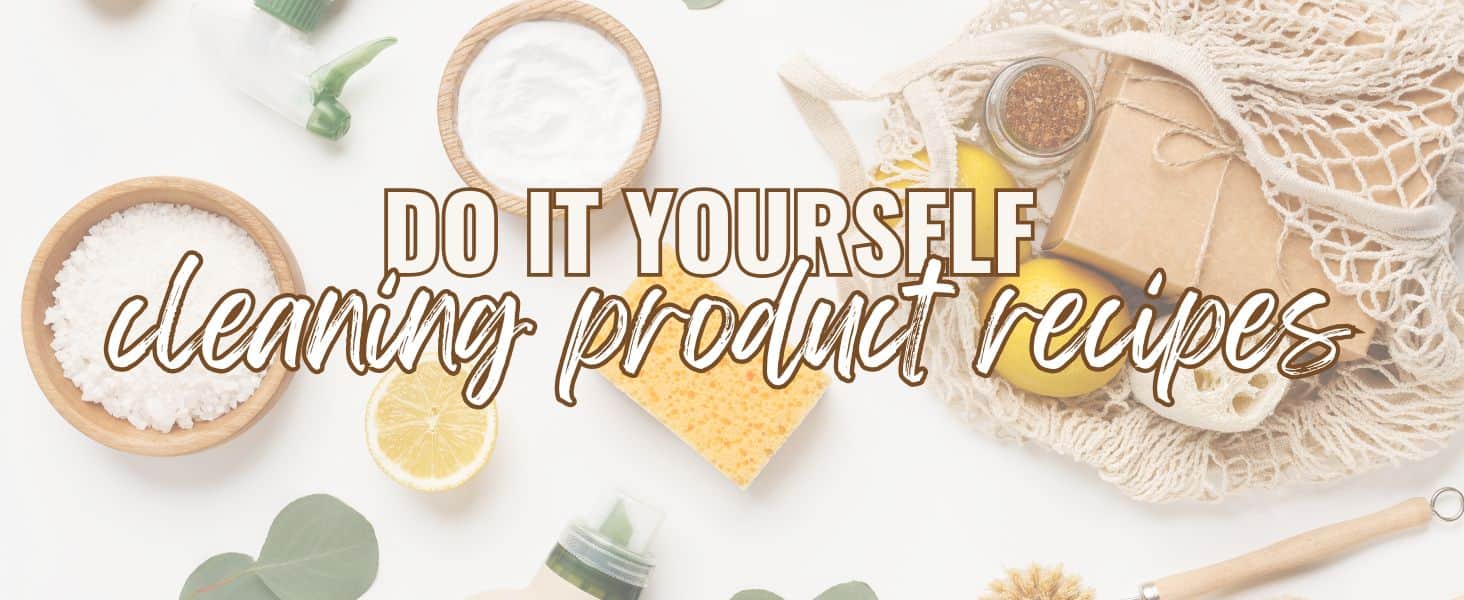
Here is what you need to get started. You might notice that you already have most of these ingredients in your kitchen. If not, then you will most likely find them in any well-equipped grocery store:
The Essential Shopping List:
– White vinegar (pH less than 6, acid cleaner for descaling)
– Baking soda (pH 8-8.5)
– Linseed oil soap (also pine or olive oil soap) (pH 9-10, alkaline cleaner for stuck grease stains)
– Pure castile soap
– Essential oils (optional, but lovely)
– Lemons
– Hand dishwashing liquid (pH 6-8)
– Sugar
– Salt
– Coconut oil
– Spray bottles
– Glass jars
– Microfiber cloths
– Metal cleaning spatula
– Steel wool
– Various sponges and brushes
Recipe 1: Window and general cleaner
2 dl vinegar (12%)
5 drops of hand dishwashing liquid
3 dl water
Recipe 2: Baking soda paste
2 parts baking soda
1 part water
Recipe 3: Linseed oil soap spray
2 dl of linseed oil soap
3 dl water
Recipe 4: Laundry detergent
2 dl vinegar (12%)
3 dl water
10 drops of essential oil
Recipe 5: Fragrance spray (e.g. for clean laundry)
2 dl distilled water – condensed water from a tumble dryer will do
5-10 drops of essential oil
Recipe 6: Kitchen Degreaser (High pH)
1 tbsp baking soda
2 cups warm water
Few drops castile soap
Recipe 7: Bathroom Descaler (Low pH)
Equal parts water and white vinegar
Few drops essential oil (eucalyptus works beautifully here)
Tips for Success
1. Label Everything – Trust me, you don’t want to mix up your toilet cleaner with your countertop spray!
2. Start Small – Don’t overwhelm yourself by changing everything at once. Pick one recipe to master first.
3. Store Smart – Keep vinegar solutions away from sunlight in dark glass bottles for longer shelf life.
4. Test First – Always do a patch test on surfaces, especially for natural stone countertops.
As you can see, it is really easy to make your own cleaning products, that are better for you and for the environment! So, are you ready to give it a go?
And if you don’t have time or don’t want to make your own, you can check out our recommendations on organic or natural cleaning products you can buy online.

Want some other great DIY recipes?
Are you interested in DIY beauty products that can be made with ingredients you have in your kitchen? Read more in our DIY articles on making sugarscrub, 7 beauty hacks and a natural remedy for keeping tics at bay.
Search and read articles and product reviews by category
[
Beauty
](/beauty)[
Health & Wellness
](/health-and-wellness)[
Nutrition & Weightloss
](/nutrition-and-weightloss)[
Healing & Spirituality
](/healing-and-spirituality)[
Exercise
](/exercise)[
Meditation & relaxation
](/meditation-and-relaxation)
Frequently Asked Questions
Are DIY natural cleaning products as effective as commercial ones?
Many homemade cleaners using ingredients like white vinegar, baking soda, and castile soap may work just as well as commercial products for everyday cleaning tasks. They can be customized to your specific surfaces and needs.
Is it safe to mix vinegar and baking soda in a cleaning recipe?
While both are popular natural cleaning agents, mixing them together neutralizes their individual cleaning properties. It's generally more effective to use them separately — baking soda as a paste for scrubbing and vinegar as a spray for descaling.
How should I store homemade cleaning products?
Store vinegar-based solutions in dark glass bottles away from direct sunlight to extend shelf life. Always label every container clearly so you know exactly what each solution contains.
Are DIY cleaning products safe for children and pets?
Natural ingredients like white vinegar, baking soda, and castile soap are generally considered safer alternatives to harsh commercial chemicals, though it's always wise to store all cleaning products out of reach of children and pets and to follow patch-test guidance on delicate surfaces.