Gua Sha: Ancient Wisdom in Modern Self-Care
While wellness trends come and go with the speed of social media cycles, there’s something different happening in quiet moments across wellness communities worldwide. A gentle scraping sound, a moment of mindful breathing, and the simple act of caring for oneself through touch—this is gua sha, an ancient practice that’s finding its place in modern self-care without the usual fanfare of trending wellness fads.
The beauty of gua sha lies not in its ability to promise instant transformation, but in its invitation to slow down and connect with your body in a way that feels both nurturing and intentional. Unlike many wellness practices that require expensive equipment, specialized training, or perfect technique, gua sha meets you exactly where you are, asking only for your presence and a willingness to explore what healing through touch can offer.
This ancient healing practice, rooted in traditional Chinese medicine, represents something profound that our fast-paced world desperately needs: the understanding that wellness isn’t about perfection or dramatic results, but about consistent, gentle care that honors both body and mind. As more people discover that true self-care goes beyond surface-level treatments, gua sha emerges as a bridge between ancient wisdom and modern understanding of holistic wellness.
The Gentle Power of Ancient Wisdom
Imagine a healing practice so intuitive that your body already understands its benefits. When you instinctively rub a sore muscle or massage your temples during stress, you’re tapping into the same fundamental principle that makes gua sha so effective. This practice works with your body’s natural healing mechanisms rather than forcing change through aggressive intervention.
The foundation of gua sha rests on several key principles that align perfectly with holistic wellness approaches:
- The practice encourages improved circulation through gentle, intentional movement across the skin’s surface. Unlike harsh treatments that can shock the system, gua sha may work gradually, allowing your body to respond and adapt naturally. This gentle approach respects your body’s wisdom while encouraging the flow of energy and nutrients to areas that need attention most.
- The meditative quality inherent in gua sha practice creates space for mindfulness that’s often missing from our daily routines. Each stroke becomes an opportunity to check in with your body, to notice areas of tension or discomfort, and to offer yourself the kind of patient, loving attention that promotes healing from within.
- Perhaps most importantly, gua sha operates on the principle that consistency matters more than intensity. Rather than seeking dramatic immediate results, this practice invites you to develop a relationship with your wellness that’s sustainable, nurturing, and responsive to your changing needs over time.
Understanding the Mind-Body Connection Through Touch
The transformative power of gua sha extends far beyond its physical benefits, reaching into the realm of emotional and mental wellness in ways that might surprise you. When you engage in this practice, you’re not just working with muscles and circulation—you’re creating a dialogue between your conscious mind and the wisdom held in your body.
Touch has always been a fundamental human need, yet in our increasingly digital world, we often experience a deficit of meaningful, intentional contact with our own bodies. Gua sha fills this gap by offering a practice that’s entirely focused on nurturing touch, creating a sense of safety and care that can be deeply healing for both body and spirit.
The rhythmic nature of gua sha strokes naturally encourages a meditative state, similar to the way repetitive movements in other practices calm the nervous system. This isn’t coincidental—the practice may support a shift from sympathetic nervous system activation (fight-or-flight) toward parasympathetic dominance (rest-and-digest), helping create a more restful internal environment.
The mind-body connection strengthens through several aspects of gua sha practice:
- Each session becomes an exercise in present-moment awareness, as the physical sensations naturally draw your attention away from mental chatter and into bodily experience. This shift in focus can provide relief from anxiety, overthinking, and the constant stimulation that characterizes modern life.
- The practice also offers valuable biofeedback, helping you develop greater awareness of how stress, emotions, and lifestyle choices manifest in physical tension or discomfort. Over time, this awareness becomes a powerful tool for self-care, allowing you to recognize and address imbalances before they become more noticeable.
The Philosophy of Healing From Within
At its core, gua sha embodies a philosophy that views the body as an interconnected system capable of self-healing when given the right support and conditions. This perspective stands in beautiful contrast to approaches that treat symptoms in isolation, instead recognizing that true wellness emerges from addressing the whole person—body, mind, and spirit.
The holistic philosophy behind gua sha teaches us that healing isn’t something that happens to us, but something we actively participate in through conscious choices and consistent care. This empowerment is revolutionary in a healthcare culture that often positions us as passive recipients of treatment rather than active participants in our own wellness journey.
When you practice gua sha, you’re working with the understanding that your body contains its own innate intelligence for healing and balance. The gentle stimulation provided by the practice may help create conditions that allow this natural wisdom to express itself more fully. This approach requires patience and trust, qualities that are themselves therapeutic in our instant-gratification culture.
The practice also honors the concept of prevention through maintenance, suggesting that regular, gentle care is more effective than dramatic interventions after problems have already developed. This preventive mindset shifts the focus from crisis management to ongoing wellness cultivation, creating a more sustainable and empowering relationship with health.
Why Consistency Trumps Perfection
One of the most liberating aspects of incorporating gua sha into your self-care routine is discovering that consistency matters infinitely more than perfect technique or dramatic results. This principle challenges the perfectionist tendencies that often sabotage our wellness efforts and instead invites a more compassionate, sustainable approach to self-care.
Picture this scenario: You have two options for gua sha practice. The first involves waiting for the perfect moment when you have adequate time, energy, and focus to perform an extensive, technically flawless session. The second involves showing up regularly for shorter, simpler sessions that honor your current capacity and circumstances. The second approach will always yield greater benefits over time, not because the individual sessions are superior, but because consistency creates cumulative effects that transform your overall wellness experience.
The power of consistency in gua sha practice manifests through several important mechanisms:
- Regular practice, even when brief or simple, maintains momentum in your body’s healing processes. Like water gradually carving a path through stone, gentle, repeated stimulation may create lasting changes in circulation, muscle tension, and overall vitality that single intense sessions cannot achieve.
- Consistency also builds familiarity with your body’s responses and needs, allowing you to develop intuitive understanding of how to adapt the practice for maximum benefit. This body awareness becomes increasingly sophisticated over time, transforming gua sha from a technique you perform into a responsive dialogue with your physical and emotional state.
- Perhaps most importantly, regular practice establishes gua sha as a reliable anchor point in your day—a moment of care and attention that you can count on regardless of external circumstances. This reliability becomes profoundly supportive, creating a sense of stability and self-nurturing that extends far beyond the physical benefits of the practice itself.
Creating Sacred Space in Using Gua Sha Every Moment
The true revolution of gua sha in modern self-care lies not in its exotic origins or mysterious techniques, but in its ability to transform ordinary moments into opportunities for healing and connection. In a world that constantly demands more, faster, better, gua sha offers the radical proposition that slowing down and turning inward can be the most productive thing you do for your wellness.
When you create space for gua sha practice, you’re essentially declaring that your wellbeing deserves time and attention. This declaration becomes a powerful act of self-respect that can shift how you approach other areas of your life. The practice becomes a form of boundary-setting, protecting your right to care for yourself even when external demands feel overwhelming.
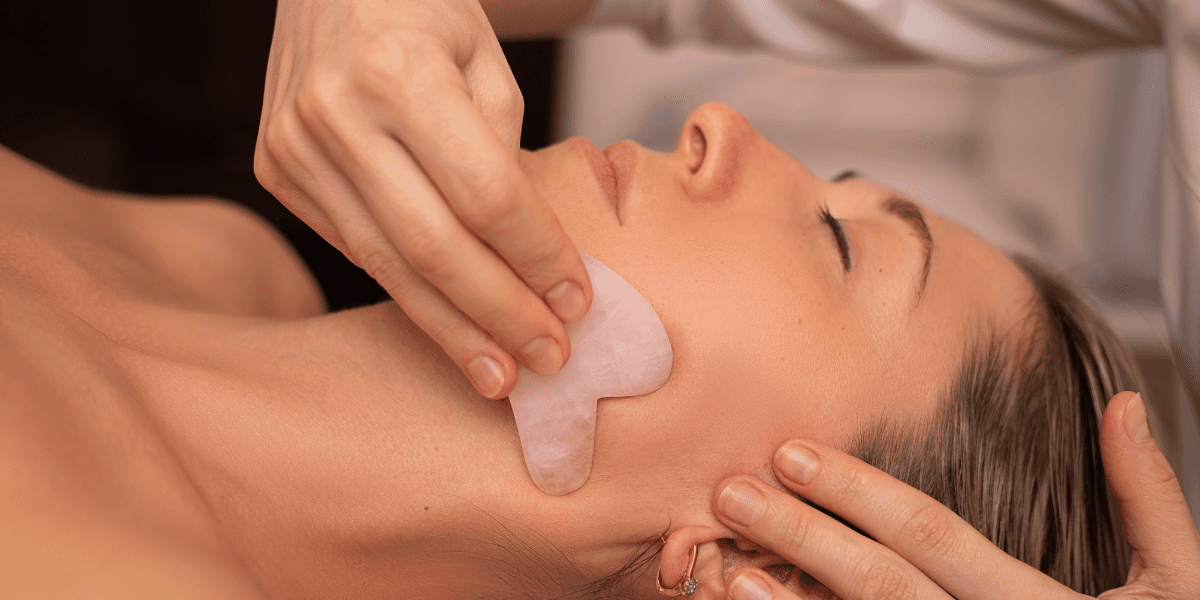
The accessibility of gua sha makes it particularly valuable for busy lifestyles. Unlike wellness practices that require specific locations, equipment, or time commitments, gua sha adapts to your circumstances. A few minutes of face gua sha during your morning routine, some neck and shoulder work while watching evening television, or a brief full-body session before bed—each offers genuine benefits without demanding major lifestyle changes.
This flexibility doesn’t diminish the practice’s power; instead, it makes sustainable self-care more achievable for people navigating real-world constraints. The practice meets you where you are, working with your schedule and energy levels rather than adding another source of stress to an already full life.
The Accessible Path to Holistic Wellness
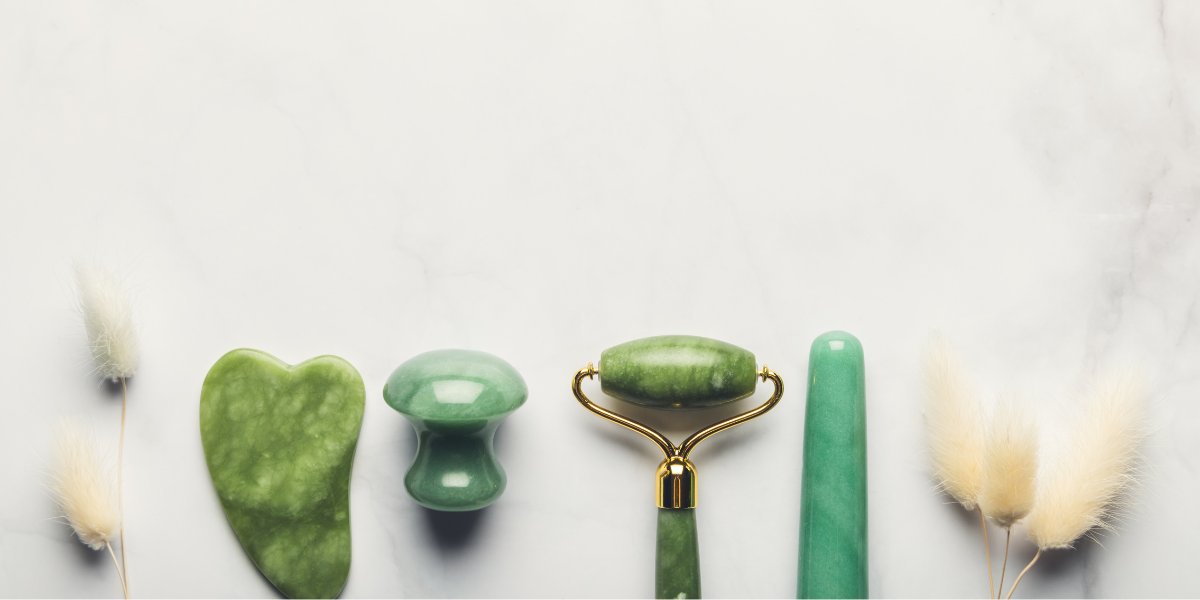
What makes gua sha particularly compelling in today’s wellness landscape is its democratic nature. Unlike practices that require expensive memberships, specialized equipment, or extensive training, gua sha asks only for a simple tool and your willingness to explore what your body needs. This accessibility removes barriers that often prevent people from engaging in meaningful self-care.
The learning curve for gua sha is remarkably gentle, allowing you to experience benefits even as a complete beginner while offering depth for those who wish to develop more advanced understanding. This progression creates a sense of growth and mastery that enhances the practice’s value over time without creating pressure to achieve specific milestones or perfect techniques.
The accessible nature of gua sha supports holistic wellness through several important pathways:
- The practice encourages body literacy—the ability to read and respond to your body’s signals with increasing sophistication. This skill becomes invaluable for overall health management, helping you recognize early signs of stress, illness, or imbalance before they require more intensive intervention.
- Gua sha also promotes self-efficacy by demonstrating that you have the power to influence your own wellness through simple, consistent actions. This empowerment can be particularly meaningful for people who feel dependent on external experts or treatments for their health and vitality.
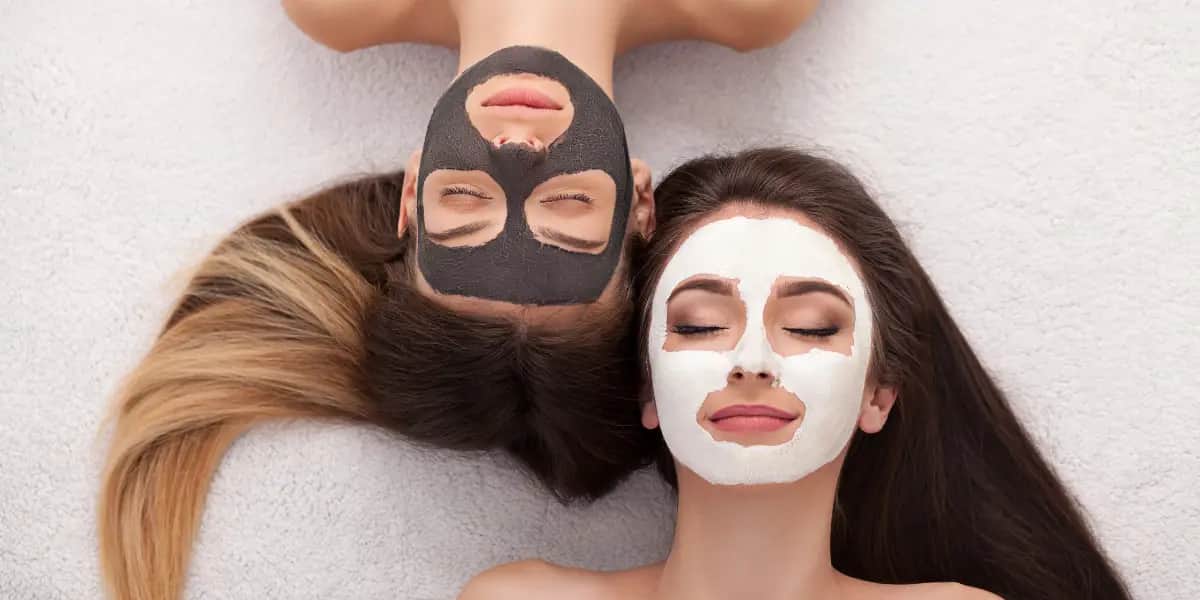
- The practice naturally integrates with other wellness approaches, enhancing rather than competing with activities like DIY organic facial masks, meditation, exercise, healthy eating, or therapeutic treatments. This compatibility makes gua sha a valuable addition to existing wellness routines rather than a replacement that requires major lifestyle adjustments.
Bridging Ancient Wisdom and Modern Understanding of Gua Sha
As we navigate an era of unprecedented technological advancement and scientific understanding, practices like gua sha remind us that some aspects of human wellness transcend time and culture. The ancient practitioners who developed these techniques understood something fundamental about the human experience that remains true today: we heal through connection, attention, and gentle, consistent care.
Modern life often disconnects us from our bodies, leaving us feeling fragmented and out of touch with our physical and emotional needs. Gua sha offers a pathway back to embodied awareness, using touch and intentional movement to rebuild the connection between mind and body that stress and distraction can erode.
The practice also serves as a powerful reminder that healing doesn’t always require complexity or intensity. Sometimes the most profound transformations come through simple actions repeated with love and consistency. This understanding can be revolutionary for people caught in the cycle of seeking increasingly complex or expensive solutions to wellness challenges.
When you incorporate gua sha into your self-care routine, you’re participating in a lineage of healing that spans centuries and cultures, yet speaks directly to contemporary needs for stress relief, self-connection, and sustainable wellness practices. This connection to something larger than yourself can add meaning and depth to your personal wellness journey.
Your Invitation to Gentle Transformation
The quiet revolution of gua sha in modern self-care isn’t marked by dramatic before-and-after photos or celebrity endorsements, but by the accumulated wisdom of countless individuals who have discovered that healing often happens in whispers rather than shouts. This practice invites you to trust in the power of small, consistent actions to create meaningful change over time.
As you consider incorporating gua sha into your wellness routine, remember that you don’t need to become an expert or achieve perfect technique to experience benefits. The practice itself will teach you what you need to know, gradually deepening your understanding of your body’s needs and responses as you show up consistently with curiosity and care.
The most important step is simply beginning—choosing to prioritize a few minutes of intentional self-care and discovering how this ancient practice might serve your modern life. Whether you’re seeking stress relief, improved circulation, better sleep, or simply a moment of peace in your day, gua sha offers a gentle pathway toward greater wellness that honors both where you are now and where you hope to grow.
Consider this your invitation to explore how ancient wisdom might enhance your contemporary self-care practice, one gentle stroke at a time. The revolution isn’t in the dramatic transformation, but in the quiet consistency of showing up for yourself with tools that have supported human wellness for generations. Your journey toward holistic wellness begins with the simple decision to begin, trusting that small actions, repeated with love, can indeed transform your relationship with your own wellbeing.
Frequently Asked Questions
What is gua sha and where does it come from?
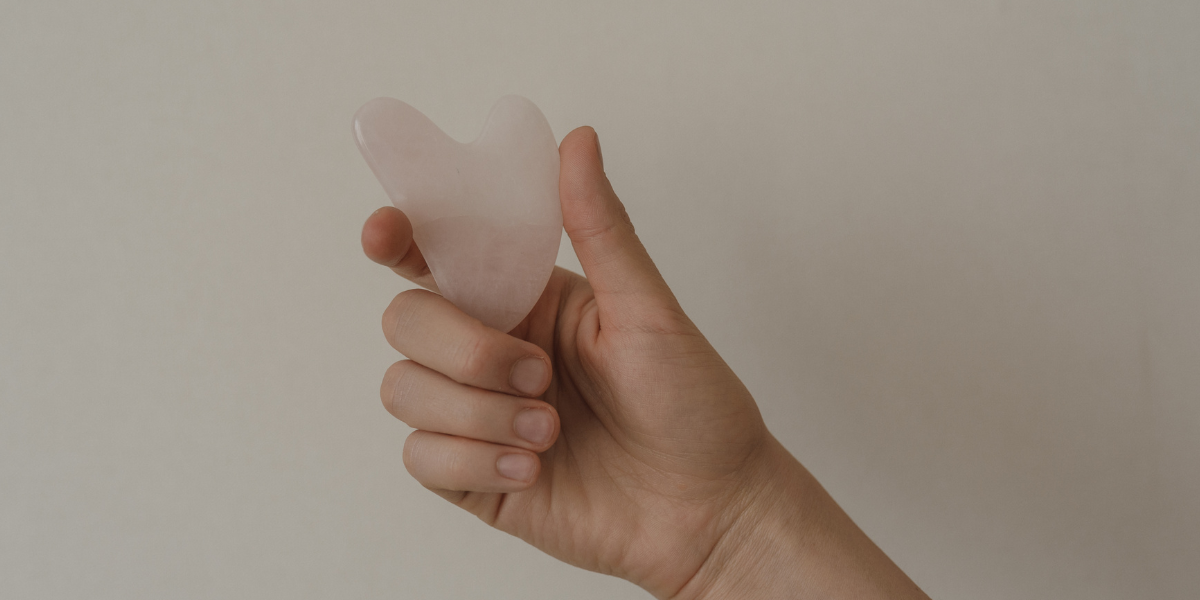
Gua sha is an ancient healing practice rooted in traditional Chinese medicine that uses a smooth tool to apply gentle, intentional strokes across the skin. It has been used for centuries to encourage circulation and overall well-being, and is now widely embraced in modern self-care routines.
How often should you practice gua sha to see benefits?
Consistency matters more than perfection—regular shorter sessions tend to yield greater cumulative benefits than occasional intensive ones. Even a few minutes worked into your daily or weekly routine may support circulation, body awareness, and stress relief over time.
Can gua sha help with stress and the mind-body connection?
The rhythmic, meditative quality of gua sha strokes may support a shift toward parasympathetic nervous system dominance, often described as 'rest-and-digest,' which can create a calming effect. The practice encourages present-moment awareness that may help ease mental chatter and tension.
Do you need special equipment or training to start gua sha?
Gua sha is notably accessible—it requires only a simple tool and a willingness to explore what your body needs. The learning curve is gentle, and beginners can experience benefits without specialized training or expensive equipment.