Japanese Walking Method – Stress Reduction
What if the key to inner peace isn’t found in sitting still, but in purposeful movement that ancient Japanese culture has perfected over centuries?
Picture this scenario: you’ve tried meditation countless times, struggling to quiet the endless chatter in your mind while sitting cross-legged on a cushion. Your thoughts race faster when you’re forced into stillness, and you wonder if there’s something fundamentally wrong with your approach to mindfulness. The answer might surprise you – it lies not in forcing your mind into submission through traditional meditation, but in embracing a counterintuitive Japanese walking method that transforms movement into profound mental clarity.
This ancient practice challenges everything mainstream wellness culture tells us about achieving inner peace. While meditation retreats and mindfulness apps insist that stillness equals serenity, Japanese wisdom reveals a different path – one where the rhythm of your footsteps becomes the gateway to a calm, focused mind.
Why Traditional Meditation Fails So Many People
The meditation industry has convinced millions that sitting in lotus position for extended periods is the gold standard for stress reduction and mental clarity for many people. Yet countless individuals find themselves more agitated after meditation sessions than before they began. This isn’t a personal failing – it’s a fundamental mismatch between meditation style and individual temperament.
Your brain might be wired for movement-based mindfulness. Some minds require gentle, rhythmic stimulation to enter meditative states rather than the complete sensory deprivation that traditional meditation demands. When you force an active mind into artificial stillness, you’re essentially trying to dam a rushing river – the pressure builds until it bursts through with even greater intensity.
The Japanese walking method acknowledges this reality and works with your natural tendencies rather than against them. Instead of fighting your mind’s desire for engagement, this practice channels that energy into purposeful, meditative movement that naturally quiets mental chatter.
The Ancient Philosophy Behind Japanese Walking
Japanese culture has long understood that meditation doesn’t require complete stillness. The concept of mindful walking emerges from centuries-old philosophical traditions that view movement as a natural expression of mindfulness rather than its enemy. This approach recognizes that the body and mind are intimately connected, and that physical rhythm can guide mental rhythm.
Imagine if every step you took became an anchor for your attention, just as the breath serves as an anchor in seated meditation. The Japanese walking method transforms your legs into meditation tools and your path into a sacred space. Each footfall becomes a moment of presence, each breath synchronized with movement becomes a return to the here and now.
This practice doesn’t require you to empty your mind – an impossible task for most people. Instead, it gives your mind something specific and rhythmic to focus on, naturally crowding out the anxious thoughts and mental noise that plague modern life. The walking becomes the meditation, not just a prelude to it.
How Movement Calms the Mind More Effectively Than Stillness
The counterintuitive truth about stress reduction lies in understanding how your nervous system actually functions. When you’re anxious or overwhelmed, your body is primed for action – your muscles are tense, your heart rate elevated, and your breathing shallow. Forcing this activated system into complete stillness can feel like trying to slam on the brakes while your engine is revving at full throttle.
Japanese walking works with your body’s natural stress response instead of against it. The gentle, purposeful movement provides an outlet for that activated energy while simultaneously engaging the parasympathetic nervous system – your body’s natural relaxation response. You’re essentially walking your way out of stress rather than trying to think your way out of it.
This approach proves particularly powerful for individuals who struggle with traditional meditation because it honors the mind-body connection that Western approaches often ignore. Your racing thoughts begin to match the steady, measured pace of your steps. Your breathing naturally deepens and synchronizes with your movement. The physical act of walking becomes a full-body reset that reaches deeper than mental techniques alone.
The Accessibility Advantage
Unlike traditional meditation that requires specific postures, quiet spaces, and extended time commitments, the Japanese walking method integrates seamlessly into daily life. You don’t need a meditation cushion, perfect silence, or an hour of uninterrupted time. You simply need the willingness to transform ordinary movement into extraordinary mindfulness.
This accessibility removes the common barriers that prevent people from maintaining consistent mindfulness practices. Your daily walk to work can become your meditation practice. Your evening stroll around the neighborhood can serve as your stress-reduction ritual. The method meets you where you are, working with your existing routines rather than demanding you create entirely new ones.

The Core Principles of Japanese Walking
The effectiveness of this ancient practice rests on several fundamental principles that distinguish it from casual strolling or exercise walking. Understanding these principles transforms simple movement into profound mindfulness practice.
Intentional Pace and Rhythm
Japanese walking emphasizes deliberate pacing that serves the mind rather than the body’s fitness goals. The rhythm becomes hypnotic and meditative, slower than your usual walking speed but not so slow that it feels unnatural. This pace allows your mind to synchronize with your movement, creating a natural flow state.
Picture this scenario: instead of rushing to your destination while your mind races with tomorrow’s worries, you move with purposeful deliberation. Each step receives equal attention, creating a steady rhythm that becomes the foundation for mental calm. This isn’t about reaching a particular place – it’s about inhabiting the journey between steps.
Breath-Step Coordination
The method incorporates specific breathing patterns that coordinate with your footsteps, creating a full-body meditation experience. Unlike traditional meditation where breath awareness can feel forced or artificial, this coordination feels natural and sustainable because it’s anchored in physical movement.
You might breathe in for three steps, then breathe out for three steps, allowing the rhythm to become automatic over time. This coordination engages multiple layers of attention – physical, mental, and respiratory – creating a comprehensive mindfulness experience that’s more engaging than traditional breath-only meditation.
Present-Moment Sensory Awareness
Japanese walking transforms you into a mindful observer of your immediate environment without requiring you to shut out the world. Instead of closing your eyes and turning inward, you open your senses to the present moment – the feeling of your feet connecting with the ground, the sensation of air moving across your skin, the subtle sounds that surround you.
This outward-focused awareness prevents the self-absorption that often makes traditional meditation feel narcissistic or escapist. You’re not withdrawing from life – you’re engaging with it more fully and consciously than usual.
Why This Method Works Better for Modern Minds
Modern life has conditioned our minds for constant stimulation and activity. The average person checks their phone dozens of times per day, juggles multiple tasks simultaneously, and rarely experiences genuine stillness. Asking such minds to suddenly embrace complete mental quiet through traditional meditation is like asking a race car to immediately shift into neutral while traveling at top speed.
Japanese walking acknowledges this reality and provides a bridge between our overstimulated default state and genuine mindfulness. The movement satisfies your mind’s need for engagement while the mindful awareness component provides the mental training that leads to lasting calm. You’re essentially rewiring your relationship with activity itself, transforming it from mindless rushing into mindful presence.
This approach also addresses the perfectionism that often undermines meditation practice. There’s no “wrong” way to walk mindfully – if your mind wanders, you simply return attention to your steps. If you walk too fast or too slow, you adjust naturally. The practice becomes self-correcting rather than self-defeating.
Practical Implementation: Starting Your Japanese Walking Practice
Beginning this practice requires no special equipment, training, or dramatic lifestyle changes. The beauty lies in its simplicity and immediate accessibility. However, approaching it with intention and understanding will amplify its benefits exponentially.
Creating Your Foundation
Start with short sessions that feel manageable rather than overwhelming. Even five minutes of mindful walking can shift your mental state significantly when done with proper attention and intention. Choose a route that offers some degree of quiet – not necessarily complete silence, but an environment where you can focus internally without constant external demands.
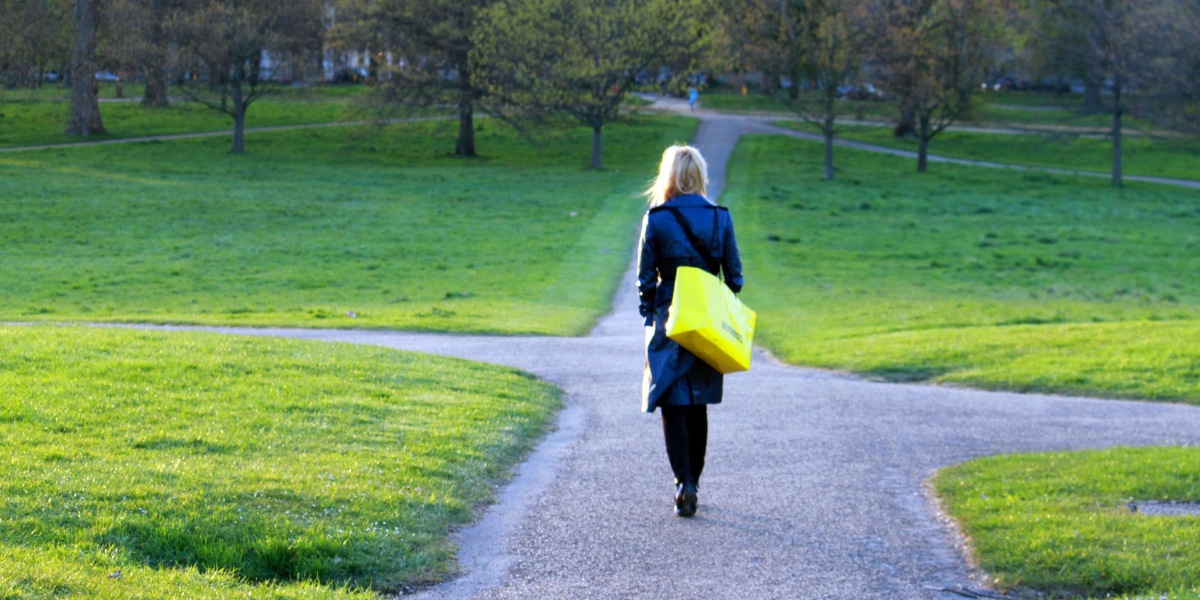
The location matters less than your intention. Whether you’re walking through a park, around your neighborhood, or even through indoor hallways, the key lies in transforming ordinary movement into conscious practice. Some practitioners find that walking the same route repeatedly deepens the meditative quality because the familiar path requires less mental navigation, freeing attention for mindfulness.
Establishing Your Rhythm
Begin walking at a pace that feels naturally comfortable, then gradually slow down until you find a speed that allows for conscious attention to each step. This isn’t about walking as slowly as possible – it’s about finding the pace where movement feels both purposeful and meditative.
Pay attention to the sensation of your feet touching the ground with each step. Feel the weight transfer from heel to toe, notice the moment of lift-off as your foot prepares for the next step. This physical awareness becomes the anchor for your attention, similar to how breath awareness functions in seated meditation.
Coordinate your breathing with your steps in whatever pattern feels natural. Some people prefer breathing in for three steps and out for three steps. Others find that breathing in for two steps and out for four steps creates a naturally calming rhythm. There’s no universal correct pattern – only the pattern that serves your individual nervous system.
Dealing with Mental Resistance
Your mind will initially resist this slower, more conscious approach to movement, especially if you’re accustomed to using walking time for planning, problem-solving, or mental multitasking. This resistance is normal and actually indicates that you’re breaking old patterns successfully.
When your mind wanders into planning mode or anxiety spirals, gently redirect attention back to the physical sensations of walking. Don’t judge the wandering or fight it aggressively – simply notice it and return to your steps and breathing. This gentle redirection is the actual meditation training, not the perfect maintenance of focus.
Integrating Japanese Walking into Daily Life
The ultimate goal isn’t to carve out separate time for this practice, but to transform existing movement into opportunities for mindfulness and stress reduction. This integration makes the method sustainable and practical for busy lifestyles while maximizing its stress-reduction benefits.
Consider transforming routine walks into mindful practices. Your morning walk to the coffee shop becomes a centering ritual that prepares you for the day ahead. Your lunch break stroll becomes a reset button that clears mental clutter and reduces accumulated stress. Your evening walk around the block becomes a transition ritual that helps you shift from work mode into personal time.
Each mindful walk becomes a small vacation for your nervous system. Instead of viewing walking time as dead time between destinations, you begin to appreciate it as restoration time that enhances everything else you do. This shift in perspective transforms daily movement from mindless transportation into active stress management.
The practice also becomes more powerful when you approach it with consistency rather than intensity. A brief mindful walk every day provides more cumulative benefit than an hour-long session once a week. The daily repetition trains your mind to access this calm, focused state more easily over time.
The Unexpected Benefits Beyond Stress Reduction
While stress reduction might be your initial motivation for exploring Japanese walking, the practice delivers benefits that extend far beyond anxiety management. These additional advantages often surprise practitioners and provide motivation for long-term commitment to the method.
Many people discover that mindful walking enhances their decision-making abilities. The combination of gentle movement and present-moment awareness may help support an ideal mental state for processing complex situations and gaining fresh perspectives on persistent problems. Solutions often emerge naturally during walks, not through forced thinking but through the relaxed awareness that movement facilitates.
The practice may also improve your relationship with your body and physical environment. Instead of moving through space unconsciously, you develop appreciation for your body’s capabilities and sensitivity to your surroundings. This enhanced awareness carries over into other activities, making you more graceful, coordinated, and physically present in daily life.
Additionally, Japanese walking may help support sleep quality by providing a healthy outlet for physical energy while calming mental activity. The practice helps establish natural rhythms that support your circadian cycles rather than disrupting them through intense exercise or mental stimulation close to bedtime.
Overcoming Common Obstacles
Every new practice encounters obstacles, and Japanese walking is no exception. Understanding these common challenges in advance helps you navigate them successfully rather than abandoning the practice when difficulties arise.
Impatience represents the most frequent obstacle. Modern minds expect immediate results and dramatic transformations, but mindfulness develops gradually through consistent practice rather than sudden breakthroughs. The benefits accumulate subtly over time, becoming apparent through your increased capacity to handle stress and maintain equanimity during challenging situations.
Weather and environmental conditions can seem like insurmountable barriers, but they actually provide opportunities to deepen your practice. Walking mindfully in different conditions – light rain, gentle snow, varying temperatures – enhances your sensory awareness and adaptability. Indoor walking, while different from outdoor practice, offers its own benefits and ensures consistency when outdoor conditions are genuinely prohibitive.
Social self-consciousness might initially make you feel awkward about walking more slowly or appearing “different” from other pedestrians. Remember that mindful walking doesn’t require dramatically obvious changes in your movement – the primary shifts are internal. Most of your mindfulness practice remains invisible to observers while providing profound benefits for your mental state.
When to Practice for Maximum Benefit
Timing your Japanese walking practice strategically amplifies its stress-reduction benefits and makes it more likely to become a sustainable habit. Different times of day offer unique advantages, allowing you to customize the practice according to your schedule and stress patterns.
Morning practice sets a calm, centered tone for your entire day. Even a brief mindful walk before checking emails or diving into daily responsibilities creates a foundation of presence that influences all subsequent activities. This timing proves particularly beneficial for people who typically wake up anxious or overwhelmed by their daily agenda.
Midday walking provides crucial stress relief during peak activity periods. Instead of scrolling through your phone during breaks or eating lunch at your desk, a mindful walk offers genuine restoration that re-energizes both mind and body. This timing often provides the most immediate and noticeable stress-reduction benefits because it interrupts accumulated tension before it becomes overwhelming.
Evening practice serves as a transition ritual that helps you shift from work consciousness into personal time. This timing particularly benefits people who struggle to “turn off” their minds after busy days. The walking helps metabolize the day’s stress while preparing your nervous system for restful sleep.
Deepening Your Practice Over Time
As Japanese walking becomes more familiar and natural, you can explore variations and refinements that deepen its meditative qualities. These advanced elements aren’t necessary for receiving benefits, but they can enhance your practice and maintain your engagement over time.
Develop awareness of walking as a series of controlled falls and recoveries. Each step involves briefly losing and regaining balance, creating a subtle rhythm of stability and instability that mirrors life itself. This awareness can cultivate acceptance of uncertainty and change while appreciating the constant adjustments that maintain forward movement.
Experiment with walking at different speeds during the same session. Begin at your normal pace, gradually slow to your meditative rhythm, maintain that pace for the majority of your walk, then gradually return to normal speed as you near your destination. This variation helps you appreciate how pace affects mental state while providing flexibility for different situations.
Practice gratitude while walking by acknowledging your body’s ability to carry you through space, the ground’s support with each step, and the environment’s provision of beauty or simply space for movement. This grateful awareness transforms even mundane routes into experiences of abundance and connection.
The Ripple Effects of Consistent Practice
The true power of Japanese walking becomes apparent not during the practice itself, but in how it influences the rest of your life. This ripple effect often provides the most compelling evidence of the method’s effectiveness and motivates long-term commitment.
Regular practitioners may find they experience improved patience in traffic, grocery store lines, and other typically frustrating situations. The skills developed during mindful walking – present-moment awareness, acceptance of pace beyond your control, finding calm within movement – translate directly to these daily challenges.
Your relationship with time itself may shift through consistent practice. Instead of constantly feeling rushed or behind schedule, you develop appreciation for present moments and natural rhythms. This shift reduces the chronic time anxiety that contributes significantly to modern stress levels.
The practice also enhances your ability to find peace within activity rather than requiring external conditions to be perfect before you can feel calm. This flexibility becomes invaluable in our unpredictable world, where the ability to maintain equanimity despite external circumstances determines your overall quality of life.
Embracing Your Personal Walking Meditation Journey
The Japanese walking method offers a practical, accessible alternative to traditional meditation that honors both ancient wisdom and modern lifestyle demands. Rather than forcing your mind into artificial stillness, this practice works with your natural tendencies toward movement and activity while cultivating the mindfulness and stress reduction you seek.
Your journey with this method will be unique, reflecting your individual temperament, schedule, and stress patterns. Some days your mindful walks will feel transcendent and transformative. Other days they’ll simply provide a brief respite from mental noise and physical tension. Both experiences are valuable and contribute to your overall capacity for presence and peace.
The beauty of Japanese walking lies not in its complexity but in its elegant simplicity. You need no special equipment, extensive training, or perfect conditions. You simply need the willingness to transform ordinary movement into extraordinary awareness, allowing each step to become a small meditation and each walk to become a journey toward inner calm.
As you begin or deepen your practice with Japanese walking, remember that consistency matters more than duration, and intention matters more than perfection. Every mindful step represents a choice to prioritize your mental well-being and cultivate peace in a chaotic world. Your feet have always been capable of carrying you toward greater calm – now you have the ancient wisdom to let them do exactly that.
Start tomorrow morning. Choose a familiar route. Walk with purpose, breathe with intention, and discover for yourself why this counterintuitive approach to stress reduction has served countless generations in finding peace through purposeful movement.
Frequently Asked Questions
What is the Japanese walking method?
The Japanese walking method is a mindfulness practice that uses deliberate pacing, breath-step coordination, and present-moment sensory awareness to transform ordinary walks into a moving meditation. It draws on centuries-old Japanese philosophical traditions that view purposeful movement as a pathway to mental clarity.
How is Japanese walking different from regular walking for exercise?
Unlike exercise walking focused on fitness goals, Japanese walking emphasizes intentional, slower pacing synchronized with breathing and full sensory awareness of your surroundings. The goal is mental calm and mindfulness rather than cardiovascular output.
How long should a Japanese walking session be for beginners?
Even five minutes of mindful walking done with proper attention and intention can shift your mental state. The method recommends starting with short, manageable sessions and building consistency over time, since daily brief walks may offer more cumulative benefit than occasional longer ones.
Can Japanese walking help with stress and anxiety?
The practice may support stress relief by engaging the body's parasympathetic nervous system through gentle rhythmic movement and breath coordination. Many practitioners report reduced tension and improved equanimity when the method is practiced consistently.