

This site uses cookies for analytics and to improve your experience. By clicking Accept, you consent to our use of cookies. Learn more in our privacy policy.
When you purchase through links on our site, we may earn an affiliate commission. Here’s how it works.
Walking might seem simple, yet it’s one of the most effective ways to improve overall health. Regular walking can boost cardiovascular health, aiding in the reduction of risks associated with heart disease and high blood pressure. It’s also one of the BEST(!) mood enhancers, helping to alleviate symptoms of depression and anxiety through the release of endorphins. For those looking to manage or lose weight, walking increases metabolism and burns calories in a gentle yet effective way. Beyond physical health, walking also sharpens mental acuity, providing a break from the digital screens and a chance to reconnect with oneself. And luckily for us all, we get to experience some of the health benefits even if we are starting slow and building up stamina and duration. So please join us, even if it is for just a few minutes och short durations during your day!
Each stride taken in an indoor walking challenge is a step towards a healthier lifestyle. It’s not just about moving from one point to another; it’s about enhancing your life one step at a time. So why not lace up your walking shoes and start on this simple path to better health? It’s your journey, your pace, your challenge. Join us in transforming your well-being from the comfort of your home—one step at a time.
Indoor walking workouts are highly effective and provide a viable option for maintaining fitness when outdoor conditions are not ideal. These workouts allow you to continue your exercise regimen regardless of weather, safety, or environmental concerns, ensuring that your fitness goals are not sidelined by bad weather or other factors out of your control! The effectiveness of indoor walking is comparable to outdoor walking in terms of health benefits such as improving cardiovascular health, enhancing muscle tone, boosting mood, and increasing overall physical stamina.
One of the key advantages of indoor walking, if you are using a treadmill or walking pad, is the ability to control workout variables such as speed, incline, and duration. This control makes it easier to tailor your exercise to specific fitness needs and goals, whether you’re recovering from an injury, managing a health condition, or training for endurance. Additionally, walking indoors can be less impactful on the joints due to the typically softer surfaces available, such as treadmills or specialized walking pads.
Moreover, indoor walking workouts can be easily monitored and measured with the help of fitness trackers and apps, allowing for detailed feedback on your performance and progress. This immediate feedback can motivate you to push yourself and achieve new personal bests. Indoor walking is not only a practical substitute when outdoor walking isn’t possible but also an effective standalone option that can significantly contribute to a healthier lifestyle.
Don’t have a treadmill or Walking Pad, or just want to have some variety to your walk? Don’t worry, we have some excellent options for you coming up, so continue reading!
If you are looking to buy a Walking Pad, to use for home workouts or a possibility to combine work with movement, then check out our review of the best Walking Pads in 2024.
And if you are looking for a bit of a challenge? Join our free 28-day walking challenge and reap the benefits of walking! You will notice an improvement in energy levels, stamina and your overall wellbeing! Many of our testers also reported experiencing weightloss as if by itself during the month. So join our challange!

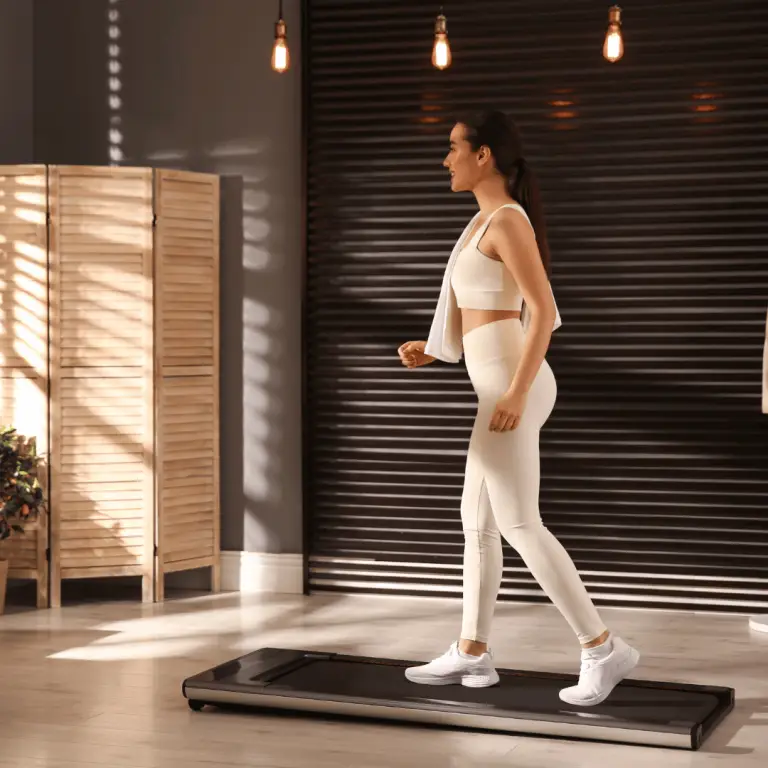
Indoor walking workouts offer a range of benefits that make them a great addition to any fitness routine. Here are seven notable advantages:
Indoor walking workouts are an effective way to stay fit and healthy, offering the flexibility and safety that outdoor walking might not always provide. Whether you’re a beginner or an active walker, these workouts can be tailored to meet your specific health and fitness needs.

Walking is one of the most accessible forms of exercise, offering significant health benefits without the need for expensive equipment or gym memberships. It’s a “free” activity that can be enjoyed virtually anywhere, from city parks to the corridors of your home.
However, to make the most out of your walking experience and to prevent injuries, it’s crucial to invest in one essential piece of equipment: good footwear.
Proper walking shoes provide the necessary support, cushioning, and stability to protect your feet and joints during walks. They can significantly enhance your comfort and performance, making your walks more enjoyable and effective.
For guidance on selecting the best walking shoes, especially tailored for women, be sure to read our latest article on the best women’s walking shoes in 2024. This guide will help you choose the right pair that combines comfort, style, and functionality, ensuring that your walking routine is as rewarding as it should be.
Below I have listed the topics we get the most questions on when our clients first start their regular walking routine or the 30-day indoor walking challenge. I will try to answer them all here now, so you will know and have the most essential information before you start.
While popular fitness trends often emphasize reaching a specific number of steps each day, such as the common goal of 10,000 steps, it’s important to remember that the key benefit of walking comes from consistent, regular activity, not just the quantity of steps taken. In the context of an indoor walking challenge, the focus should be on establishing a habit of movement and listening to your body rather than strictly adhering to a numerical target.
Counting steps can be a helpful way to measure progress and set goals, but it isn’t necessary for everyone. If counting steps motivates you, then by all means, use a pedometer or fitness tracker to keep track. However, if you find that focusing on numbers detracts from enjoying your walk or causes you stress, it’s perfectly okay to leave the step counter behind. The most important aspect is that you’re moving more and feeling better as a result!
If you’re overweight or have mobility issues that make walking difficult, there are several ways to adapt this beneficial exercise to your needs. Here are a few tips and some strategies to help you incorporate walking into your routine safely and comfortably:
Start Slowly: Begin with short walks at a slow pace. Even a few minutes a day can make a difference and build your confidence. Gradually increase the duration and intensity as your stamina and strength improve.
Use Walking Aids: If balance or joint stability is a concern, consider using a walking stick, cane, or walker. These aids can help distribute your weight and provide additional support.
Choose the Right Footwear: Invest in high-quality walking shoes that provide good arch support and cushioning. Proper footwear can reduce the impact on your joints and make walking more comfortable. (see the articles on the best footwear for Women and Men in 2024)
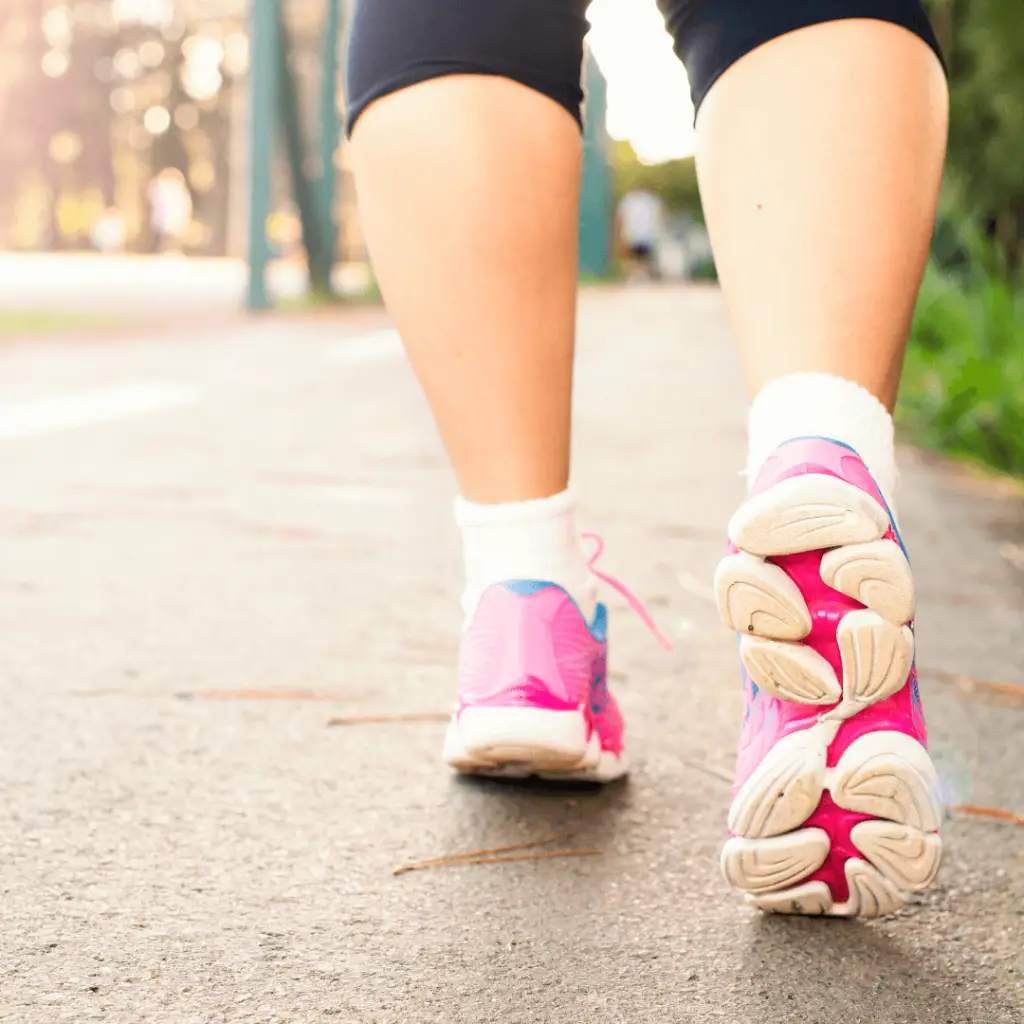
Walk on Flat, Smooth Surfaces: Avoid uneven paths or areas with a lot of obstacles. Walking in a mall, an indoor arena, or on a track can provide a flat, smooth surface that is easier on your body.
Water Walking: If traditional walking is too painful, try water walking in a swimming pool. The buoyancy of the water reduces stress on the joints, while the resistance of the water provides a good workout.
Or use a Treadmill: Walking on a treadmill allows you to control the environment completely. You can adjust the speed to a comfortable pace, and the smooth, predictable surface is ideal for walking without the risk of tripping.
Short Intervals: Break your walking into shorter intervals. Walk for a few minutes, rest, and repeat. Interval walking can help manage endurance issues and prevent overexertion. This is really essential when first starting out!
Chair Exercises: If you’re not ready to walk for long periods, start with chair exercises to build strength and flexibility. Leg lifts, seated marches, and other activities can prepare your muscles for walking.

Join a Group and consult a professional: Before starting any new exercise regimen, especially if you have health concerns, consult with a healthcare provider or a physical therapist. They can tailor a walking program to your specific needs and ensure you’re exercising safely.
Some communities also offer walking groups for people with mobility issues or chronic health conditions. These groups provide a supportive environment and can be a great source of motivation.
As you can see, walking is incredibly adaptable and can be modified to suit a wide range of physical capabilities. By taking the right precautions and starting at a level that suits your current fitness, you can enjoy the numerous health benefits of walking.
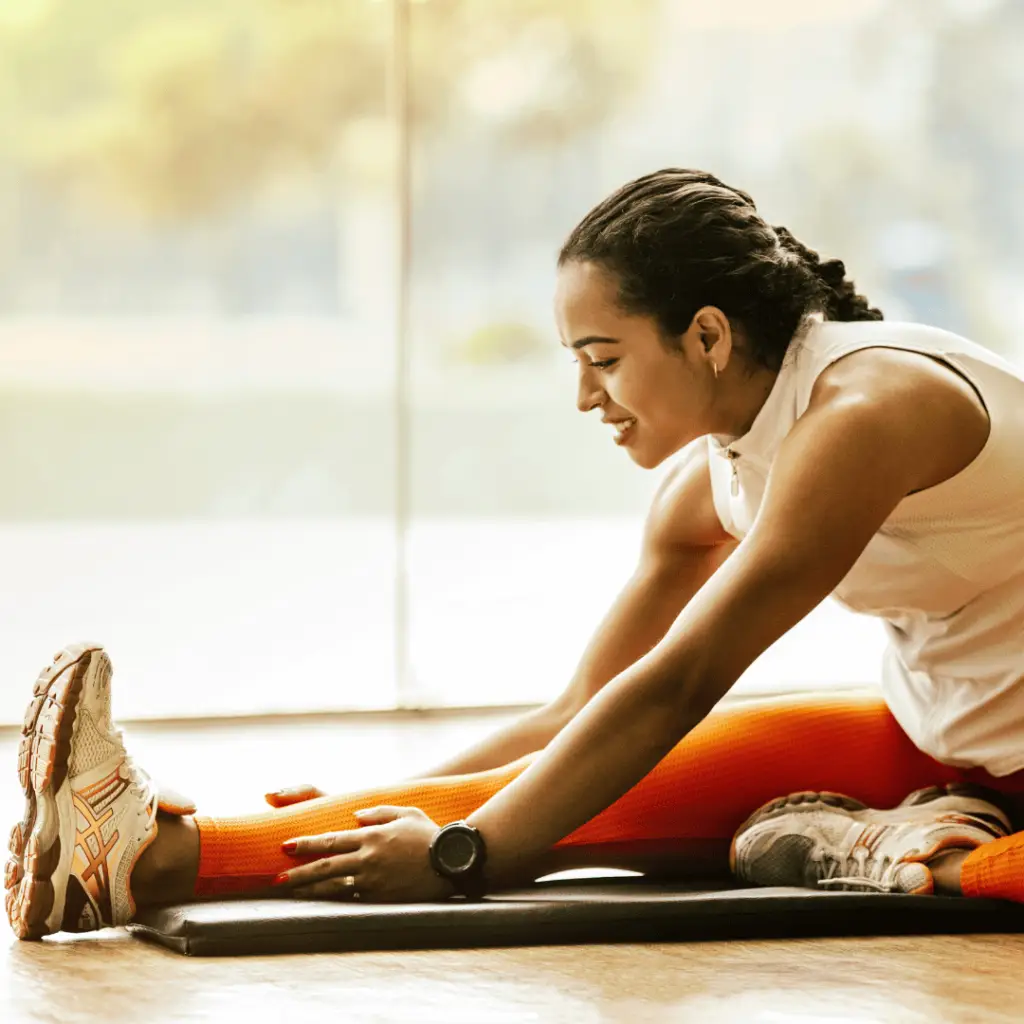
Indoor walking doesn’t have to be a monotonous trek from one side of your living room to the other. With a wealth of creative YouTube videos available, you can transform your indoor walking routine into an enjoyable and dynamic exercise session. These videos range from 15 to 30 minutes and can include everything from hundreds to thousands of steps, ensuring that you can tailor the workout to your fitness level and time constraints.
Many YouTube instructors spice up traditional walking workouts by incorporating fun, light dance moves or muscle-strengthening exercises that enhance the overall effectiveness of the session. This blend of activities not only keeps the workout interesting but also ensures that various muscle groups receive attention, maximizing the health benefits.
Whether you’re marching on the spot, stepping side to side, or engaging in a full-on dance walk, these videos provide lively soundtracks and enthusiastic guidance that make the time fly by. It’s a perfect way to break a sweat, raise your heart rate, and boost your mood, all without stepping foot outside. So, lace up those sneakers, clear a little space in your living room, and get ready to walk, dance, and tone your way to better health with an indoor walking routine that promises to keep boredom at bay.
This is a great video for you, if you want to have a good workout in a short time. Get 5000 STEPS IN 30 MIN by doing a Walking Cardio Dance Workout to Burn Fat. (The video does not contain jumping, but is a great workout!)
Here is a great way to start if you are a beginner or feel out of shape. This is a 10-minute Indoor Walking Workout for Seniors and Beginner Exercisers.
Here is a quick 10 minute Walking Workout you can do at home! This is great whe you are pressed for time. It contains some light stregth exercises as well.
Check out Youtube for many more free indoor walking workouts!
I you just dont want to be walking around or following Youtube videos, a great way to keep the motivation for doing your indoor walking routine is embarking on a 28 -day or 30-day indoor walking program. The walking programs are usually progressive and if you stick to the program, you will definitely feel the benefits after a 30 day period. We have a free 30 -day walking challenge that can be doen outdoors or indoors, in accordance with your personal preference. Tha walking will transform not just your body, but also your mind and overall feelings of well-being. As you step into this journey, here’s what you can expect to experience:

A Surge of Energy: Almost immediately, you’ll begin to notice an uptick in your energy levels. Regular movement helps to wake up your body and mind, shaking off the cobwebs of inactivity. This increase in energy is sustainable; it builds throughout the day, helping you feel more alert and ready to tackle whatever comes your way.
A Brighter Mood: There’s something inherently joyful about putting on your favorite tunes and moving to the rhythm, especially when you mix walking with dancing. The simple act of exercise releases endorphins, often referred to as feel-good hormones, which naturally elevate your mood. Over the course of 30 days, these moments of joy accumulate, leading to a more consistently upbeat and positive outlook.
Increased Confidence and Self-Esteem: As you progress through the month, not only will you feel stronger, but you’ll also start seeing changes in your body—muscles a bit firmer, posture a bit taller. Each step becomes a testament to your dedication, and every day you stick with your routine builds your confidence. You start feeling more capable and proud of what your body can achieve.
A Sense of Calm and Control: Integrating regular walking and exercise into your life brings a wonderful sense of rhythm and routine. There’s comfort in knowing that no matter how chaotic your day might be, you have this dedicated time to care for your body and mind. The repetitive, meditative quality of walking also helps soothe your thoughts, allowing you to find clarity and peace amid the hustle and bustle of daily life.
Restful Nights with better sleep: After a day of good, healthy activity, you’ll likely find that when it’s time to wind down for the night, sleep comes more readily. Exercise, particularly when done consistently, can help regulate your sleep patterns, making it easier to fall asleep and enjoy a deeper, more restorative sleep.
You will find joy in exercising: What might have started as a mere workout or something you would force yourself to do every day, quickly during the course of the month becomes a delightful part of your day that you look forward to. And that you will want to keep up and make a longlasting habit!
As you move past the 30-day mark, these practices might well become a cherished part of your routine, offering daily boosts of happiness, energy, and peace. This isn’t just about walking or fitness—it’s about crafting a fuller, more vibrant life where you feel active, engaged, and thoroughly alive.


