In the Ever-evolving World of Fitness and Wellness, a Unique Approach Has Been Gaining Traction: Somatic Pilates. This innovative method combines the principles of traditional Pilates with somatic education, creating a powerful synergy that promotes physical strength, mental clarity, and overall well-being.
Understanding Somatic Pilates
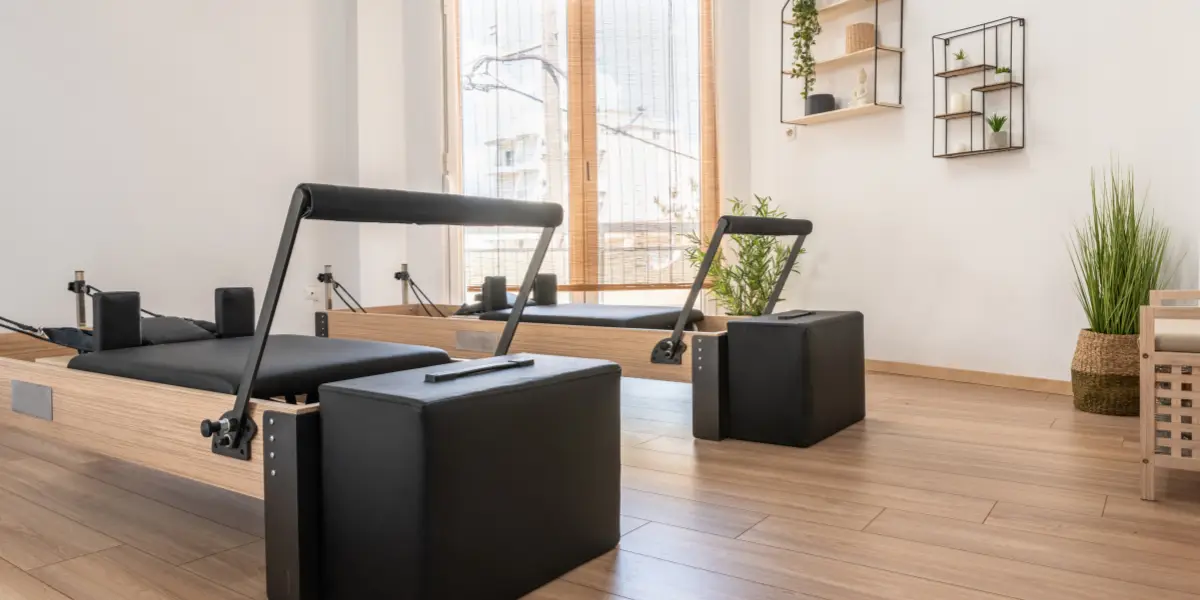 Somatic Pilates is a holistic approach to movement that emphasizes the mind-body connection. It integrates the core principles of Pilates – breath, concentration, centering, control, precision, and flow – with somatic techniques that focus on internal physical perception and experience. The term “somatics” comes from the Greek word “soma,” meaning “the living body in its wholeness.” Somatic education, developed by Thomas Hanna in the 1970s, teaches individuals to become aware of their internal sensations and movement patterns. When combined with Pilates, this awareness enhances the effectiveness of exercises and promotes deeper healing and body awareness.
The Benefits of Somatic Pilates
Practitioners of Somatic Pilates often report a wide range of benefits:
- Improved posture and alignment
- Increased flexibility and range of motion
- Enhanced body awareness and proprioception
- May help reduce chronic pain and tension
- Better stress management
- Improved balance and coordination
- Stronger mind-body connection
The Somatic Pilates Experience
A typical Somatic Pilates session might begin with a body scan or gentle movement exploration to increase awareness of current physical sensations. The instructor guides participants through a series of slow, mindful movements, encouraging them to pay attention to how each movement feels internally. As the session progresses, more traditional Pilates exercises are introduced, but with a somatic twist. For example, during a roll-up exercise, participants might be asked to focus on the sensation of each vertebra peeling off the mat, noticing any areas of tension or ease.
Key Principles of Somatic Pilates
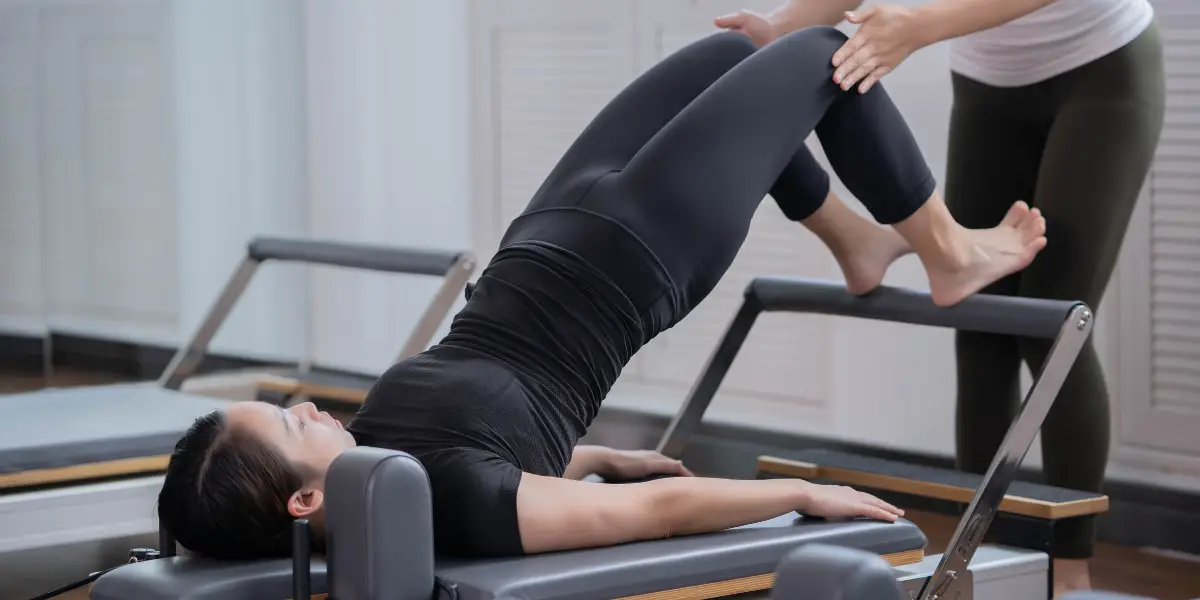
- Sensory Awareness: Somatic Pilates emphasizes developing a keen sense of how movements feel from the inside out. This internal focus helps practitioners identify and release chronic tension patterns.
- Slow, Mindful Movement: Movements are performed slowly and with full attention, allowing for greater neuromuscular repatterning and deeper learning.
- Breath Integration: Conscious breathing is used to enhance body awareness, facilitate movement, and promote relaxation.
- Neuromuscular Repatterning: By increasing awareness and introducing new movement patterns, Somatic Pilates helps to “rewire” the nervous system, improving overall movement efficiency and reducing pain.
Trends in Somatic Pilates
- Online Classes: The digital age has brought Somatic Pilates into homes worldwide, with online classes and workshops becoming increasingly popular.
- Integration with Other Modalities: Many practitioners are combining Somatic Pilates with other techniques like yoga, meditation, or physical therapy for a more comprehensive approach to wellness.
- Specialized Programs: Tailored Somatic Pilates programs are emerging for specific populations, such as athletes, seniors, or individuals with chronic pain conditions.
Tips for Getting Started with Somatic Pilates
Start with the basics: Begin with foundational classes to learn the principles and techniques. Be patient: Somatic work is subtle and may take time to fully appreciate and benefit from. Stay curious: Approach each session with an open mind and a willingness to explore new sensations. Practice regularly: Consistency is key in developing body awareness and seeing results. Listen to your body: Honor your limits and avoid pushing too hard. Somatic work is about awareness, not strain.
The Science Behind Somatic Pilates
While research specifically on Somatic Pilates is still emerging, studies on both Pilates and somatic education have shown promising results. A 2018 systematic review published in the Journal of Bodywork and Movement Therapies found that Pilates may support improvements in flexibility, dynamic balance, and muscular endurance. Similarly, research on somatic education techniques has demonstrated their effectiveness in reducing chronic pain and improving body awareness. A study published in the Journal of Pain Research in 2017 found that somatic education techniques may support reductions in chronic low back pain and improvements in functional ability.
The Future of Somatic Pilates
As our understanding of the mind-body connection continues to deepen, Somatic Pilates is poised to play an increasingly important role in holistic health and wellness. Its emphasis on internal awareness and gentle, mindful movement makes it accessible to a wide range of individuals, from athletes looking to enhance their performance to older adults seeking to maintain mobility and independence. The integration of technology, such as biofeedback devices and virtual reality, may further enhance the practice, providing practitioners with even more tools to deepen their body awareness and improve their movement patterns.
Frequently Asked Questions
What is Somatic Pilates and how is it different from regular Pilates?
Somatic Pilates combines traditional Pilates principles — breath, concentration, centering, control, precision, and flow — with somatic education techniques that focus on internal physical perception. Unlike conventional Pilates, it emphasizes slow, mindful movement and developing awareness of internal sensations rather than purely external form.
Who can benefit from Somatic Pilates?
Somatic Pilates is accessible to a wide range of people, including athletes looking to enhance performance, older adults seeking to maintain mobility, and individuals managing chronic pain or tension. Its gentle, awareness-based approach makes it suitable for beginners as well as experienced movers.
How often should you practice Somatic Pilates to see results?
Consistency is key — regular practice may help develop body awareness and neuromuscular repatterning over time. Starting with foundational classes and building a steady routine is recommended, while always listening to your body and avoiding strain.
Is there scientific evidence supporting Somatic Pilates?
Research on both Pilates and somatic education shows promising results. A 2018 systematic review found Pilates may support flexibility, dynamic balance, and muscular endurance, while a 2017 study suggested somatic education techniques may support reductions in chronic low back pain and improvements in functional ability.
Conclusion
Somatic Pilates offers a unique and powerful approach to movement and wellness, bridging the gap between mind and body. By cultivating internal awareness and promoting mindful movement, it provides practitioners with tools not just for physical fitness, but for overall well-being and life-long body wisdom. Whether you’re dealing with chronic pain, seeking to improve your athletic performance, or simply looking to move with greater ease and awareness, Somatic Pilates offers a path to deeper understanding and connection with your body.