Your body remembers what your mind tries to forget, holding tension in muscles, breath patterns, and the body's memory long after the initial wound occurs. While traditional therapy addresses the cognitive aspects of healing, tantric yoga therapy offers a profound pathway to release stored trauma through gentle, mindful movement that honors both your physical and emotional boundaries.
The ancient wisdom of tantric yoga recognizes that trauma isn’t just a mental experience—it lives in the body as tension, restricted breathing, and disconnection from our physical selves. This holistic approach to healing trauma through movement creates a bridge between the conscious and unconscious, allowing stored emotions to surface and release naturally through the body’s own healing intelligence.
Understanding Trauma’s Physical Footprint
When we experience trauma, our nervous system responds by contracting, creating protective patterns that become embedded in our physical structure. These protective mechanisms, while initially helpful for survival, may persist long after the danger has passed, manifesting as chronic tension, shallow breathing, and a sense of disconnection from our bodies.
Tantric yoga therapy works with these patterns gently, recognizing that forcing the body to release trauma can actually re-traumatize the system. Instead, this approach creates a safe container for the body to unwind naturally, allowing stored emotions and memories to surface and move through without overwhelming the nervous system.
The beauty of healing trauma through movement lies in its non-invasive nature. Unlike approaches that require verbal processing of traumatic events, tantric yoga allows the body to speak its own language of sensation and movement. This may be particularly supportive for those who find it difficult to articulate their experiences or who feel triggered by traditional talk therapy approaches.
The Tantric Difference: Beyond Physical Postures
While traditional yoga often focuses on achieving specific poses or building physical strength, tantric yoga therapy prioritizes internal awareness and energetic flow. This distinction becomes crucial when working with trauma, as the emphasis shifts from external achievement to internal sensing and gentle exploration.
In tantric yoga for trauma healing, movements are typically slower, more intuitive, and guided by internal sensation rather than external instruction. Practitioners learn to tune into their body’s wisdom, moving only in ways that feel safe and supportive. This approach builds trust between the conscious mind and the body, gradually restoring the connection that trauma often severs.
The emphasis on sensation and internal awareness allows practitioners to develop what trauma specialists call “interoception”—the ability to sense internal bodily signals. This capacity is often diminished in trauma survivors, making tantric yoga’s focus on internal sensing particularly valuable for rebuilding body awareness and trust.
Creating Safety Through Mindful Movement
Safety forms the foundation of all effective trauma healing work, and tantric yoga therapy excels at creating multiple layers of safety within the practice. Physical safety comes through gentle movements that never force or push beyond comfort limits. Emotional safety develops through practices that honor whatever arises without judgment or the need to change anything immediately.
The practice typically begins with simple awareness exercises—perhaps feeling the weight of the body against the floor or noticing the natural rhythm of breathing. These foundational practices help establish a sense of ground and presence before introducing any movement, ensuring that the nervous system feels supported throughout the exploration.

The Healing Power of Conscious Breath
Breath work forms a central pillar of tantric yoga therapy, serving as both an anchor for present-moment awareness and a powerful tool for emotional regulation. Trauma often disrupts natural breathing patterns, leading to chronic shallow breathing or breath-holding that keeps the nervous system in a state of activation.
Through gentle breath practices, practitioners learn to restore natural breathing rhythms while developing a conscious relationship with this life-giving force. The breath becomes a bridge between the voluntary and involuntary nervous systems, offering a pathway to influence states of activation and calm.
Simple breathing practices might include extending the exhale to help support the parasympathetic nervous system, or using rhythmic breathing to create a sense of internal rhythm and stability. These practices are always introduced gradually, allowing practitioners to build tolerance and comfort with deeper states of relaxation and presence.
Emotional Release Through Breath and Movement
As practitioners develop comfort with breath awareness and gentle movement, the combination creates opportunities for emotional release. This might manifest as spontaneous tears, trembling, or waves of sensation moving through the body. In tantric yoga therapy, these responses are welcomed as natural expressions of the body’s healing process.
The key lies in allowing these releases to happen without forcing or controlling them. Practitioners learn to stay present with whatever arises, breathing through intense sensations and trusting their body’s wisdom to process and integrate the experience. This approach may support resilience and self-trust while gradually helping release stored emotional tension.
Building Inner Sanctuary: The Safe Space Within
Tantric yoga therapy emphasizes developing an internal sense of safety and sanctuary that transcends external circumstances. This internal refuge becomes particularly valuable for trauma survivors, who may have learned to view the world as inherently unsafe or unpredictable.
Through consistent practice, students develop the ability to return to this inner sanctuary regardless of external stressors. This might involve specific visualization practices, body awareness techniques, or breathwork that creates an immediate sense of grounding and safety. Over time, this internal resource becomes easily accessible during challenging moments in daily life.
The practice of creating internal safety often begins with identifying areas of the body that feel neutral or comfortable, gradually expanding these zones of safety through gentle attention and breath. This process helps counteract trauma’s tendency to create a sense of danger within one’s own body.
Honoring Your Natural Rhythm
One of the most healing aspects of tantric yoga therapy lies in its complete respect for individual timing and process. There’s no external timeline for healing, no specific goals to achieve, and no comparison with others’ experiences. This approach directly contradicts trauma’s message that we must be different than we are or heal faster than feels natural.

Practitioners learn to honor their own pace, staying with practices only as long as they feel beneficial and taking breaks whenever needed. This self-regulation builds internal authority and trust, gradually replacing trauma’s patterns of dissociation or overwhelm with conscious choice and boundaries.
Integration: Weaving Healing into Daily Life
The ultimate goal of healing trauma through movement extends beyond the practice space into everyday life. Tantric yoga therapy provides tools and awareness that support ongoing integration, helping practitioners maintain their sense of safety and connection throughout daily activities.
This might involve taking conscious breaths during stressful moments, tuning into body sensations before making decisions, or using gentle movement to help process emotions as they arise. The practices become a living toolkit for navigating life with greater presence and resilience.
Integration practices often include brief morning check-ins with the body, mindful transitions between activities, or evening practices that help process the day’s experiences. These micro-practices maintain the nervous system’s capacity for regulation while building long-term resilience.
Reclaiming Joy and Pleasure
As healing progresses through tantric yoga therapy, many practitioners rediscover their capacity for joy, pleasure, and positive sensation. Trauma may diminish our ability to feel positive sensations, creating a protective pattern that can also limit access to joyful experiences.
The gentle, pleasure-positive approach of tantric yoga helps restore the full spectrum of feeling, allowing practitioners to safely experience positive sensations without fear or shame. This return to embodied joy often marks a significant milestone in the healing journey, indicating the nervous system’s growing capacity for expansion and pleasure.
The Gradual Nature of Healing
Healing trauma through tantric yoga movement requires patience and compassion for the nonlinear nature of recovery. Progress often comes in waves, with periods of expansion followed by integration phases that might feel like stepping backward. Understanding this natural rhythm prevents discouragement and supports sustained practice.
The gradual approach honors the body’s wisdom about healing timing, recognizing that forcing the pace of healing may create additional stress on the system. Instead, tantric yoga therapy creates consistent opportunities for healing while allowing the nervous system to determine the pace and depth of each session’s exploration.
This patience-based approach teaches practitioners to trust their internal guidance while maintaining compassion for their healing process. Over time, this self-compassion becomes a powerful healing force that extends beyond the yoga practice into all areas of life.
Building Community and Connection
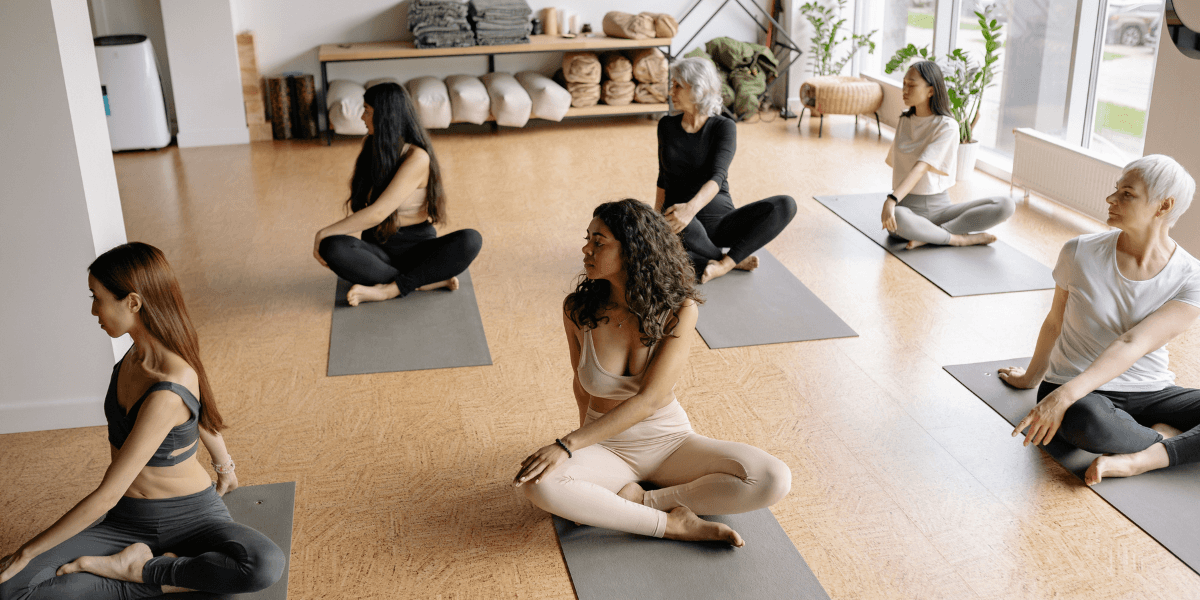
While much of trauma healing happens in solitude, tantric yoga therapy also recognizes the importance of safe community and witnessed healing. Practicing with others who understand the journey can provide validation, support, and the powerful medicine of being seen in one’s healing process.
Group practices are typically designed with multiple layers of safety, allowing participants to share the energy of collective healing while maintaining individual boundaries and choice. This balance helps rebuild trust in community while honoring the need for personal safety and autonomy.
Your Path Forward: Beginning the Journey
Starting a healing journey through tantric yoga movement doesn’t require previous experience or spiritual background—only a willingness to explore your internal landscape with curiosity and compassion. The path begins with simple practices that build safety and awareness before gradually expanding into deeper explorations.
Consider beginning with brief daily check-ins with your body, perhaps placing one hand on your heart and one on your belly while taking three conscious breaths. Notice what sensations arise without trying to change anything, simply building your capacity to be present with your internal experience.
As you explore this approach to healing, remember that your body holds its own wisdom about what it needs for recovery. Trust the subtle signals of comfort and discomfort, using them as guides for your practice. Your nervous system may have its own capacity for healing—tantric yoga therapy simply creates supportive conditions for that natural process to unfold.
The journey of healing trauma through movement isn’t about achieving a destination but about cultivating a loving, aware relationship with your body and emotions. Each moment of conscious breathing, each gentle movement guided by internal wisdom, contributes to the larger healing that wants to happen through you. Your willingness to explore this path with patience and self-compassion becomes the greatest gift you can offer your healing journey.
Take the first step by simply pausing, breathing, and sensing your body right now. Notice what you discover in this moment of awareness—this is where your healing begins.
Frequently Asked Questions
How is tantric yoga therapy different from regular yoga for trauma healing?
Tantric yoga therapy prioritizes internal awareness and energetic flow over achieving specific poses. Movements are slower, more intuitive, and guided by internal sensation, which may support nervous system regulation and rebuild the body awareness that trauma can disrupt.
Can tantric yoga help with trauma if I struggle with talk therapy?
Tantric yoga works through physical sensation and movement rather than verbal processing, which may make it a gentler entry point for those who find it difficult to articulate traumatic experiences or who feel triggered by traditional talk therapy approaches.
How do I start using tantric yoga for trauma healing as a beginner?
You can begin with simple body check-ins—place one hand on your heart and one on your belly and take three conscious breaths, noticing sensations without trying to change anything. No prior yoga experience or spiritual background is needed to start building safety and awareness.
How long does it take to heal trauma through tantric yoga movement?
Healing is nonlinear and deeply individual; tantric yoga therapy honors your body's own timing with no external timeline or goals. Progress often comes in waves of expansion followed by integration phases, and consistent gentle practice over time may support gradual recovery.