The Hidden Truth Behind Your Cleaning Products: What the Industry Doesn't Want You to Know
When you purchase through links on our site, we may earn an affiliate commission. Here’s how it works.
Table of Contents
Have you ever stood in the cleaning aisle of your local supermarket, feeling overwhelmed by the sheer number of products claiming to be the perfect solution for your home? You’re not alone. Today, let’s dive deep into the world of household cleaners and uncover some surprising truths that might change the way you think about cleaning your home.
Cleaning Products: The Marketing Maze
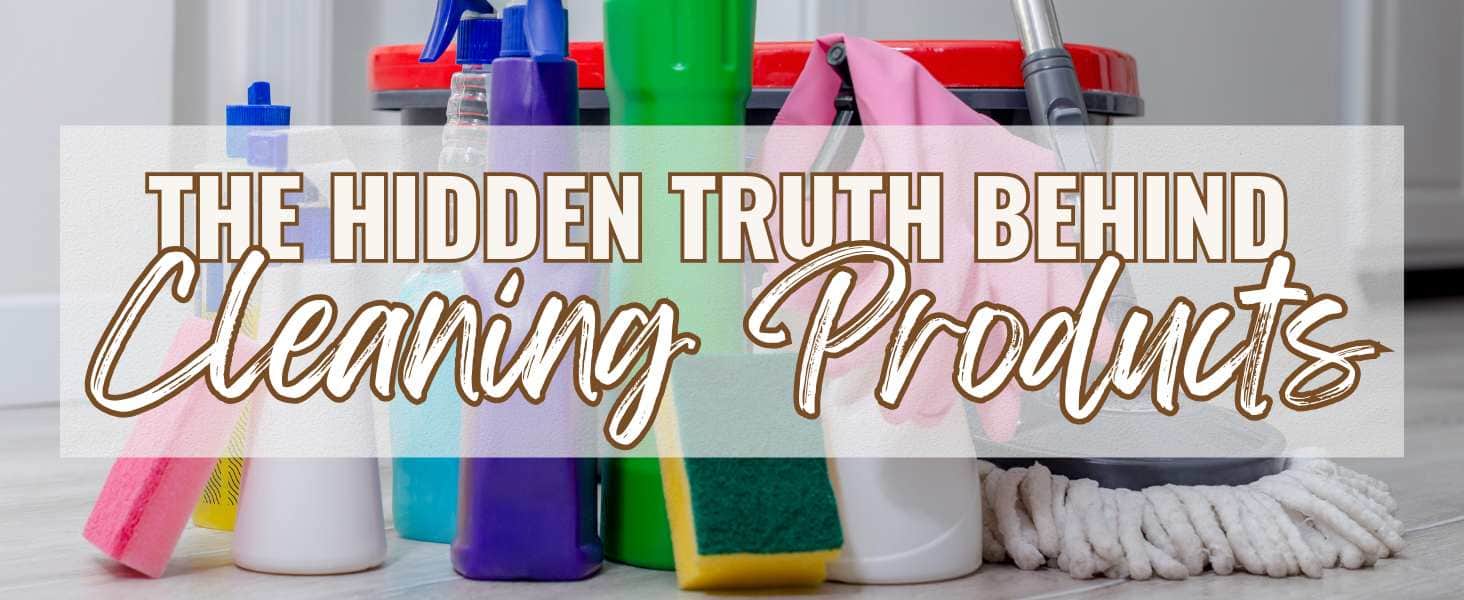
Picture this: You’re standing in front of a wall of cleaning products, each bottle more colorful than the last. Ocean blues, sunny yellows, and fresh greens catch your eye, while promises of “specialized formulas” and “unique solutions” compete for your attention. The manufacturers know exactly what they’re doing – they’re playing into our psychological desire for order and cleanliness, using every trick in the marketing playbook.
These companies invest heavily in packaging design, creating transparent bottles that showcase their artificially colored liquids because they know we “buy with our eyes.” Add in the alluring scents of lavender, citrus, or spring meadows, and it’s no wonder we end up leaving the store with multiple bottles for different cleaning tasks.
The 90% Secret
Here’s the industry’s dirty little secret: most spray cleaners are approximately 90% water. Yes, you read that right – that expensive bottle of “specialized” bathroom cleaner is mainly just water with a few additional ingredients. But it gets even more interesting. When you compare the ingredients list of your bathroom cleaner with your kitchen spray, you’ll likely find they’re almost identical. The main difference? The label and marketing message telling you they’re completely different products.
Breaking Down the Other 10%
Let’s look at what makes up the remaining 10% of these cleaning products:
Fragrances (Like Geraniol):
– Purely for psychological effect
– No actual cleaning properties
– Creates the illusion of cleanliness through scent
Surfactants (Including Anionic, Cationic, Non-ionic, and Zwitterionic):
– These are the actual cleaning agents
– Help break down grease and dirt
– May be harsh on both the environment and your skin
– Require proper ventilation during use
Acids and Alkalines:
– Phosphoric and nitric acids in toilet cleaners and limescale removers
– Alkaline substances in oven cleaners and drain unblockers
– May be corrosive and irritating to skin and eyes
– Require careful handling and proper safety precautions
Additional Chemical Cocktail:
– Solvents
– Preservatives
– Abrasives
– Artificial colorants (purely for visual appeal)
The Environmental Impact of Cleaning Products
What many consumers don’t realize is the significant environmental impact of these products. When we wash these chemicals down our drains, they don’t just disappear. They enter our water systems and can affect aquatic life and water quality. The plastic bottles they come in add to our growing waste problem, even when recycled.
The Health Considerations
While manufacturers are required to include warning labels about proper ventilation and skin contact, many of us have become desensitized to these warnings. We might quickly scan past the caution symbols without realizing that these products can cause:
– Skin irritation
– Respiratory issues when inhaled
– Eye irritation
– Potential concerns with long-term regular exposure
A Natural Alternative Approach
So, what’s the solution? It’s simpler (and cheaper) than you might think. Here’s how you can create an effective, environmentally friendly cleaning arsenal:
Essential Items for Your Natural Cleaning Kit:
- Eco-labeled dish soap
- Traditional soap
- Baking soda
- White vinegar
- Salt
- Fresh lemons
- Reusable spray bottles
- Microfiber cloths
Read our article on easy and simple DIY cleaning products you can make yourself! The best recipes you can find!
And if you don’t have time or don’t want to make your own, you can check out our recommendations on organic or natural cleaning products you can buy online.
Want some great DIY recipes?
Check out our DIY cleaning products – these are easy and effective recipes you can use for cleaning your home in a safe and sustainable way.
Are you interested in DIY beauty products that can be made with ingredients you have in your kitchen? Read more in our DIY articles on making sugarscrub, 7 beauty hacks and a natural remedy for keeping tics at bay.
Search and read articles and product reviews by category
[
Meditation & relaxation
](/meditation-and-relaxation)[
Health & Wellness
](/health-and-wellness)[
Exercise
](/exercise)[
Nutrition & Weightloss
](/nutrition-and-weightloss)[
Healing & Spirituality
](/healing-and-spirituality)[
Beauty
](/beauty)
Frequently Asked Questions
Are most household cleaning sprays really just water?
Most spray cleaners are approximately 90% water. The remaining 10% typically includes surfactants (the actual cleaning agents), fragrances, acids or alkalines, and colorants — ingredients that can vary little between products marketed for different rooms.
Can conventional cleaning products affect your health?
Some conventional cleaners contain surfactants, acids, and synthetic fragrances that may cause skin irritation, eye irritation, or respiratory discomfort with regular exposure. Always follow label ventilation and handling guidance.
What natural ingredients can replace commercial cleaners?
A simple kit of eco-labeled dish soap, baking soda, white vinegar, salt, and fresh lemons — used with reusable spray bottles and microfiber cloths — may handle most everyday cleaning tasks effectively and affordably.
What is the environmental impact of conventional cleaning products?
When rinsed down drains, cleaning chemicals enter waterways and may affect aquatic life and water quality. Their single-use plastic bottles also contribute to household waste, even when recycled.