The Hidden Benefits of Yoga Nidra That Nobody Talks About
While millions practice traditional meditation and yoga, there’s an ancient practice hiding in plain sight that holds secrets to transformation most wellness enthusiasts never discover.
Yoga Nidra, often dismissed as simply “relaxation” or “yogic sleep,” operates on levels of consciousness that extend far beyond what meets the eye. This isn’t just another meditation technique—it’s a gateway to accessing states of awareness that can fundamentally reshape your relationship with stress, creativity, and healing.
Most people encounter Yoga Nidra at the end of a yoga class, experiencing it as a pleasant way to wind down. But what they don’t realize is that they’ve just touched the surface of one of the most sophisticated consciousness technologies ever developed. The real magic happens when you understand what’s actually occurring in your brain and body during these sessions of guided awareness.
The practice works by systematically moving your consciousness through different brainwave states, creating a unique neurological environment where profound healing and transformation can occur. Unlike regular meditation, where you’re working to focus or empty the mind, Yoga Nidra guides you into a state where you’re simultaneously deeply relaxed yet completely aware—a paradox that unlocks extraordinary potential.
The Neurological Dance Most People Miss
When you settle into a Yoga Nidra session, your brain begins an intricate dance between different states of consciousness. This isn’t simply about relaxation—you’re actively training your nervous system to access theta and delta brainwave states while maintaining conscious awareness. This combination creates what practitioners call the “hypnagogic state,” the twilight zone between waking and sleeping.
- The Prefrontal Cortex: Begins to quiet down, reducing analytical overthinking.
- Creativity and Memory Centers: Become more active, enabling insights and healing inaccessible during normal waking consciousness.
- Parasympathetic Activation: Deeply engages the body’s rest-and-digest response, allowing the nervous system to rest and may support its natural recovery.
What makes this particularly powerful is that you’re conscious throughout the process. Unlike sleep, where healing happens unconsciously, Yoga Nidra allows you to witness and direct the process of restoration. You become an active participant in your own neurological rewiring, potentially supporting new neural pathways while gently releasing old patterns that no longer serve you.
The practice also activates the parasympathetic nervous system more deeply than typical relaxation techniques. While regular meditation certainly promotes relaxation, Yoga Nidra’s systematic approach to body awareness and breath regulation creates a cascade of physiological changes that extend well beyond the session itself.
Beyond Stress Relief: The Creative Awakening
Perhaps the most overlooked benefit of Yoga Nidra lies in its ability to unlock creative potential. When your analytical mind steps back and your brain enters those deeper states of consciousness, you gain access to the same neurological conditions that produce breakthrough insights and artistic inspiration.
Think about when your best ideas come to you—often it’s in the shower, during a walk, or right before falling asleep. These moments share a common thread: your prefrontal cortex has relaxed its grip, allowing deeper wisdom to emerge. Yoga Nidra deliberately cultivates this state, giving you regular access to the creative wellspring that exists within your consciousness.
- Artists and Writers: Report enhanced creative flow and fewer blocks.
- Innovators: Find intuitive solutions to complex problems.
- Everyday Life: Fresh insights and flexible thinking in daily challenges.
This creative enhancement isn’t limited to artistic pursuits. The same receptive awareness that unlocks artistic inspiration can help you approach life challenges with fresh perspectives.
The Emotional Regulation Secret
While most wellness practices focus on managing emotions, Yoga Nidra offers something more profound: the ability to transform your relationship with emotional energy itself. During the practice, you develop what’s called “witness consciousness”—the capacity to observe your thoughts, feelings, and sensations without becoming overwhelmed by them.
- Witnessing Ability: Observe emotions without suppression or overreaction.
- Emotional Regulation: Maintain calm and choice even in difficult situations.
- Trauma Processing: Provides a safe container for healing without reliving pain.
Regular practitioners often discover that their emotional landscape becomes more stable and spacious. They find themselves less reactive to daily stresses and more capable of maintaining equanimity during challenging periods.
The Body’s Hidden Intelligence
One of the most remarkable aspects of Yoga Nidra is how it awakens your body’s innate healing intelligence. The practice includes a systematic body scan that goes far beyond simple relaxation—it’s actually a sophisticated method for reestablishing communication between your conscious mind and your body’s wisdom.
- Somatic Literacy: The ability to read subtle body signals and prevent imbalance.
- Healing Mechanisms: Direct awareness may support blood flow, muscle relaxation, and immune balance.
- Neuroplasticity: Creates new mind-body connections supporting deep healing.
Many practitioners report improvements in chronic conditions that haven’t responded to other treatments.
Memory Consolidation and Learning Enhancement
Another hidden benefit of Yoga Nidra lies in its impact on memory and learning. The theta brainwave states accessed during practice are the same states where memory consolidation occurs naturally during sleep. By consciously entering these states while awake, you can enhance your brain’s ability to process and integrate new information.
- Improved Learning: Information moves efficiently from short-term to long-term memory.
- Deeper Insight: Creative connections between ideas emerge naturally.
- Enhanced Recall: Old memories and intuitive knowledge resurface gently.
Students, professionals, and lifelong learners benefit immensely from this neurological optimization.
Practical Integration: Making Yoga Nidra Work for Modern Life
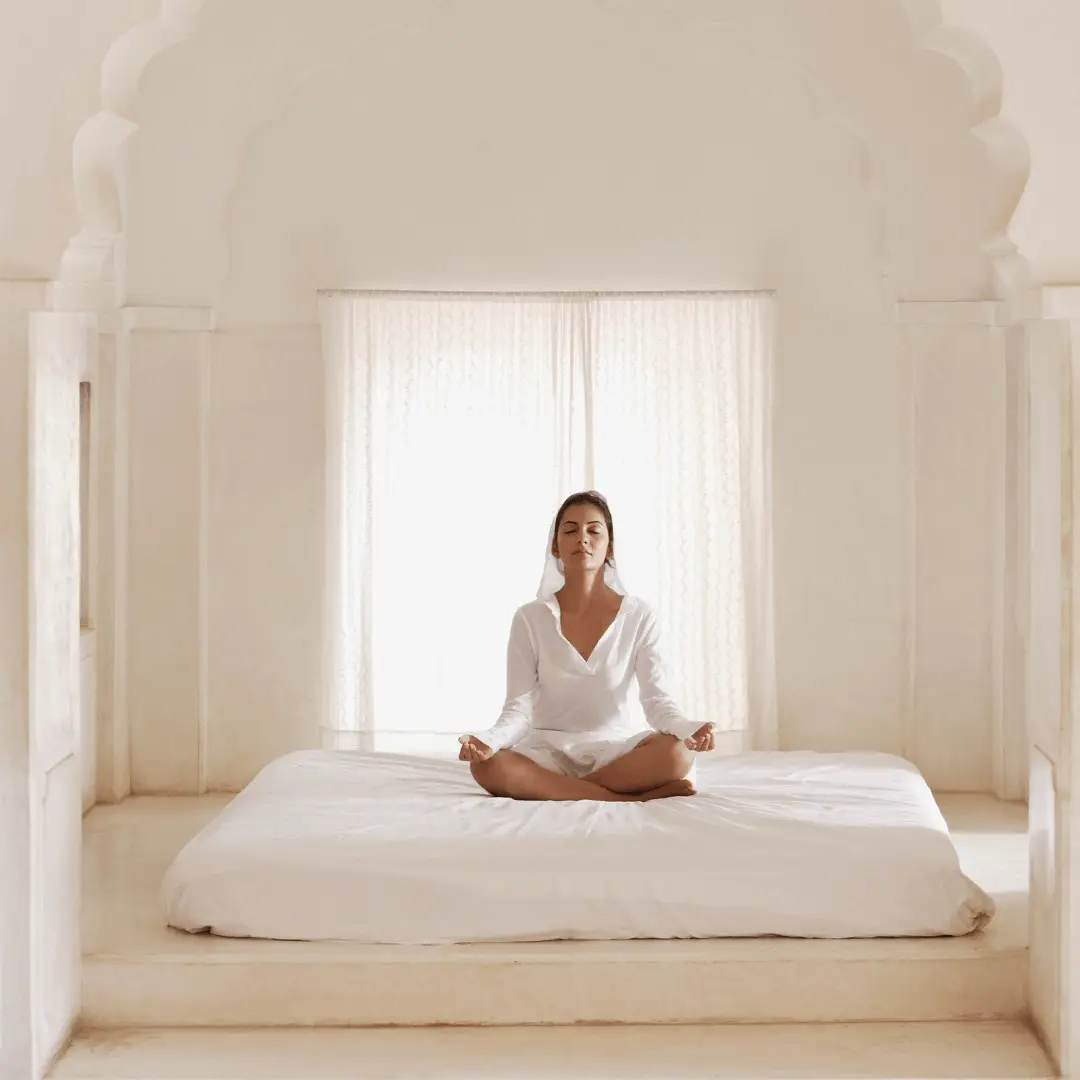
The key to unlocking these hidden benefits lies in regular practice and integration into your daily rhythm. Unlike other meditations, Yoga Nidra is flexible and can be done almost anywhere.
- Afternoon Recharge: Use during energy dips for deep restoration.
- Transition Tool: Bridge between work and personal life to reset energy.
- Sleep Support: Helps train your body to enter restorative states naturally.
- Intention Setting: The subconscious mind is highly receptive during practice.
Beyond Individual Transformation
Perhaps the most profound hidden benefit of Yoga Nidra is its potential to shift your relationship with consciousness itself. Regular practice reveals that awareness is not confined to your thinking mind but exists as a vast, spacious field that encompasses all experience.
- Relational Wisdom: Greater compassion and understanding in relationships.
- Creative Work: Becomes effortless and fulfilling.
- Daily Life: Challenges become opportunities for growth and awareness.
This isn’t about escaping difficulties but meeting them with grace and wisdom. Yoga Nidra teaches you to find stillness within motion and peace within all circumstances.
The Path Forward: Embracing the Mystery
As you begin to explore these hidden dimensions of Yoga Nidra, remember that the practice reveals its secrets gradually. Each session is an opportunity to deepen your understanding of consciousness and its healing potential.
Your exploration of Yoga Nidra begins not with grand expectations, but with simple willingness to rest deeply and see what wants to be revealed.
The hidden benefits of Yoga Nidra aren’t really hidden at all—they’re simply waiting for you to create the space where they can naturally unfold. Every time you practice, you’re participating in one of humanity’s most sophisticated approaches to healing, creativity, and conscious evolution.
Frequently Asked Questions
What is Yoga Nidra and how is it different from regular meditation?
Yoga Nidra is a guided awareness practice that systematically moves consciousness through theta and delta brainwave states while you remain awake. Unlike regular meditation—which focuses or empties the mind—Yoga Nidra places you in a paradoxical state of deep relaxation combined with full conscious awareness, often called the hypnagogic state.
Can Yoga Nidra really help with creativity and problem-solving?
Yes—when the analytical prefrontal cortex quiets during Yoga Nidra, the brain may enter the same receptive states associated with breakthrough insights and artistic inspiration. Artists, writers, and innovators report enhanced creative flow and fresh perspectives as potential benefits of regular practice.
How often should you practice Yoga Nidra to notice benefits?
Regular practice is key. The article suggests integrating Yoga Nidra into your daily rhythm—whether as an afternoon recharge, a work-to-home transition tool, or a sleep-support ritual—so that its neurological and emotional benefits may accumulate over time.
Is Yoga Nidra suitable for beginners with no meditation experience?
Yoga Nidra is considered one of the more accessible practices because it requires no special technique—you simply lie down and follow guided audio cues. Its flexibility means it can be done almost anywhere, making it a practical starting point for anyone new to mind-body practices.