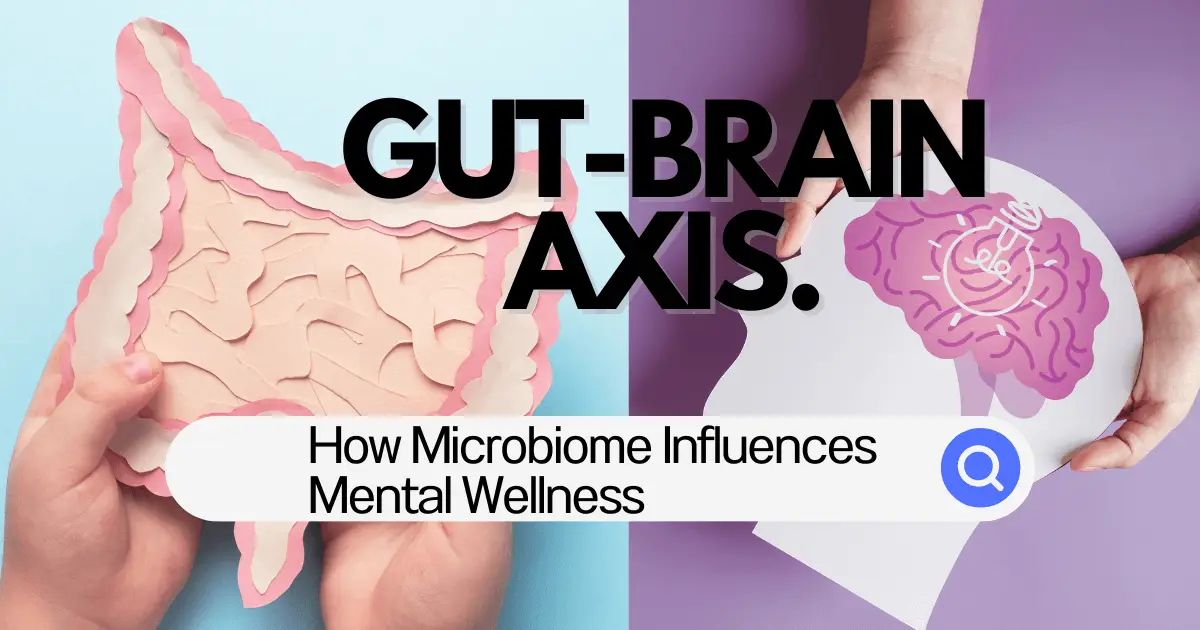
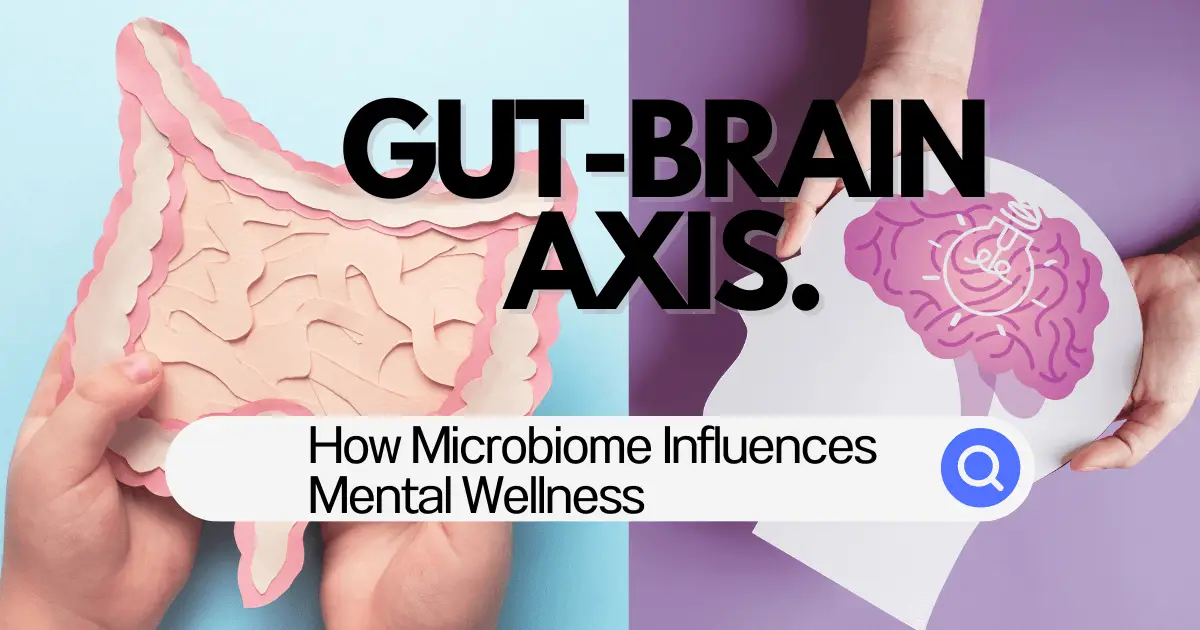
The Gut-Brain Axis: How Your Microbiome Influences Mental Wellness
When you purchase through links on our site, we may earn an affiliate commission. Here’s how it works.
Table of Contents
How we approach both our physical and mental well-being has changed; a groundbreaking paradigm shift in the way that human health is understood happened over recent years. This has now become the revolutionary mantra because at the center of this is truly our gut-brain connection, a dance between mind and digestive system that we are just beginning to understand.

The piece takes a deep dive into how our mental health and gut health are so deeply intertwined — and how the microbiome sits at the center of that relationship. Read on to discover what you should know about supporting both your gut and your mind together.
What is a Microbiome?
In order to understand just why the gut-brain connection matters, we first need to look at what makes up your microbiome. The human microbiome is much more than just a bunch of bacteria; it constitutes an entire ecosystem with trillions of microscopic life forms, including various species like fungi, viruses, and many other small creatures. This inner world nestled in our gut, holds more genetic data than the human genome and affects many of us at a cellular level.
The gut isn’t just an idle resident within our body. Except that this one is a very big player in how our body works – from the immune and metabolism to other things like our brain. Yet this balance of the microbiome is highly fragile and may be altered by diet, stress, antibiotics, or environmental toxins very easily and could contribute to many health problems, mental illness being just one among them.
A Simple Overview of the Gut-Brain Axis - The Information Superhighway
The gut-brain axis connects the brain, the Central Nervous System (CNS), and the Enteric Nervous System(ENS) of the GI tract. The convergence of these elaborate systems gives the brain an avenue to have a continuous conversation with the gut through neural, endocrine, or immune pathways. Called the “wandering nerve,” the vagus serves as a superhighway between your mind and internal organs, ferrying signals in both directions back and forth to help each other communicate with one another.
How Your Gut Microbiome Health Affects Mental Wellness
The relationship between gut bacteria and mental health is one that we believe certainly has many different possibilities. Some new research even suggests that imbalances in the microbiome might be related to several psychiatric gets like depression, anxiety, autism spectrum disorders, and neurodegenerative diseases including Parkinson’s or Alzheimer’s. The mechanisms by which this is achieved are still largely unclear, but several pathways have been discovered to be linked between the microbiome and mental health.
- Neurotransmitter Production: As mentioned earlier, gut bacteria produce neurotransmitters that play crucial roles in mood regulation. For example, over 90% of the body’s serotonin, often called the “happiness hormone,” is produced in the gut. Alterations in the microbiome composition can affect the production and regulation of these neurotransmitters, potentially leading to mood disorders.
- Inflammation and Immune Function: The microbiome plays a key role in regulating the immune system and inflammation levels in the body. Chronic inflammation has been associated with various mental wellness concerns, including depression and anxiety. A healthy microbiome may help maintain a balanced immune response, potentially supporting a lower-inflammation environment.
- Stress Response Regulation: The gut microbiome interacts with the hypothalamic-pituitary-adrenal (HPA) axis, which is responsible for the body’s stress response. Imbalances in the microbiome may contribute to an overactive stress response, which could be a factor in anxiety and other stress-related mental wellness concerns.
- Nutrient Absorption and Metabolism: A healthy microbiome is essential for proper nutrient absorption and metabolism. Many nutrients, including omega-3 fatty acids, B vitamins, and minerals like zinc and magnesium, are crucial for brain health and function. Microbiome imbalances may impair the absorption of these nutrients, which could have downstream effects on mental wellness.
- Barrier Function and Leaky Gut: The microbiome helps maintain the integrity of the intestinal barrier. When this barrier is compromised, a condition known as “leaky gut” can occur, allowing unwanted substances to enter the bloodstream and potentially reach the brain. This increased permeability has been associated in some research with various neurological and mental wellness concerns.
How to Improve Gut Microbiome: 7 Nutrition Tips
With the microbiome having a major influence on our mental health, nutrition becomes another very powerful tool to help maintain improved well-being by supporting one of its key ingredients – your gut. These are just some of many evidence-based dietary interventions for offering your microbiome the best chances anthropologically possible to thrive:
- Embrace Dietary Diversity: A varied diet rich in different plant-based foods provides a wide range of nutrients and fibers that support diverse microbial populations. Aim to include a rainbow of fruits and vegetables in your diet, along with whole grains, legumes, nuts, and seeds.
- Prioritize Prebiotic Foods: Prebiotics are non-digestible fibers that feed beneficial gut bacteria. Foods rich in prebiotics include garlic, onions, leeks, asparagus, bananas, oats, and apples. Incorporating these foods regularly can help nourish your microbiome.
- Include Fermented Foods: Fermented foods like yogurt, kefir, sauerkraut, kimchi, and kombucha contain live beneficial bacteria that can contribute to a healthy gut ecosystem. These probiotic-rich foods can help diversify and strengthen your microbiome.
- Limit Processed Foods and Added Sugars: Highly processed foods and those high in added sugars can promote the growth of harmful bacteria and yeast in the gut. Reducing the intake of these foods can help maintain a balanced microbiome.
- Consider Polyphenol-Rich Foods: Polyphenols, found in foods like dark chocolate, green tea, olive oil, and berries, act as fuel for beneficial gut bacteria and have anti-inflammatory properties.
- Stay Hydrated: Adequate hydration is essential for maintaining a healthy gut lining and supporting the growth of beneficial bacteria. Aim for at least 8 glasses of water per day, adjusting for activity level and climate. Also, don’t forget to do your Oral hygiene by doing Tongue Scraping for a healthier Gut Microbiome.
- Explore Probiotic Supplements: While food sources should be the primary focus, some individuals may benefit from probiotic supplements. Consult with a healthcare professional to determine if supplementation is appropriate for you and which strains might be most beneficial.
60 billion Probiotics CFUNOW Supplements ProbioticPhysician's Choice Probiotics for Women
Mindfulness Practices For Gut Health: Calming The Mind To Soothe The Belly
- Meditation: Regular meditation practice may help reduce stress, support lower inflammation levels, and positively influence the composition of the gut microbiome. Even short daily sessions of 10–15 minutes may yield benefits. Mindfulness meditation, in particular, can help increase awareness of the gut-brain connection and promote a sense of overall well-being.
- Deep Breathing Exercises: Diaphragmatic breathing, also known as belly breathing, can activate the parasympathetic nervous system, promoting relaxation and improving digestion. This technique involves breathing deeply into the abdomen rather than shallowly into the chest, and may help activate the body's natural relaxation response.
- Yoga: Certain yoga poses, particularly those that involve twisting or compressing the abdominal area, can stimulate digestion and promote gut health. Additionally, the mindful movement and breath work involved in yoga practice can help reduce stress and support overall mental wellness.
- Body Scan Techniques: Regular practice of body scan meditation can increase awareness of physical sensations, including those in the gut. This heightened awareness can lead to better recognition of how different foods and stress levels affect gut feelings, allowing for more informed choices in diet and lifestyle.
- Mindful Eating: Practicing mindful eating involves paying full attention to the experience of eating and drinking, both inside and outside the body. This practice can improve digestion, reduce overeating, and foster a healthier relationship with food.
- Stress Management Techniques: Chronic stress can negatively impact the microbiome and gut health. Incorporating stress management techniques such as progressive muscle relaxation, guided imagery, or biofeedback may help reduce the impact of chronic stress on the gut-brain axis.
Conclusion: Nurturing The Mind-Gut Connection For Holistic Health
A gut-brain connection as we have discovered several times throughout this article, is a major new piece to the mental wellness line of thinking. The microbiome-gut-brain axis provides insights into the etiology of mental wellness challenges and possible integrated supportive strategies alongside current care modalities.
When we feed our second brain with healthful food, when we engage in regular mindfulness practice and work to understand the bidirectional processing of information between the gut-brain axis, it is easier for us to take preventative steps toward mental wellness. Such a far-reaching system acknowledges the interrelationship between our bodily systems, and it enables us to take control of our health in an integrated way.
Adopting this enigmatic perspective opens a new era in health and well-being; we begin to realize that our mental well-being depends on the symbiosis of our inner ecosystem.
You may also check our latest related article about Natural Nutrition Hacks to Lower Cortisol
Search and read articles and product reviews by category
[
Nutrition & Weightloss
](/nutrition-and-weightloss)[
Beauty
](/beauty)[
Health & Wellness
](/health-and-wellness)[
Healing & Spirituality
](/healing-and-spirituality)[
Exercise
](/exercise)[
Meditation & relaxation
](/meditation-and-relaxation)
Frequently Asked Questions
What is the gut-brain axis?
The gut-brain axis is the two-way communication network linking your central nervous system and the enteric nervous system in your gastrointestinal tract. It uses neural, endocrine, and immune pathways — including the vagus nerve — to relay signals between your gut and your brain.
How does the microbiome affect mood and mental wellness?
Your gut bacteria may support the production of neurotransmitters like serotonin, help regulate inflammation, and interact with your body's stress-response system. Imbalances in the microbiome have been associated with mood and anxiety concerns, though research is ongoing.
What foods may help support a healthy gut microbiome?
A diverse diet rich in plants, prebiotic foods (garlic, onions, oats), fermented foods (yogurt, kefir, kimchi), polyphenol-rich foods (berries, green tea, dark chocolate), and adequate hydration may all help nurture a balanced microbiome.
Can mindfulness practices support gut health?
Practices such as meditation, deep breathing, yoga, and mindful eating may help reduce stress, lower inflammation, and positively influence the gut-brain connection, potentially benefiting both digestive and mental wellness.