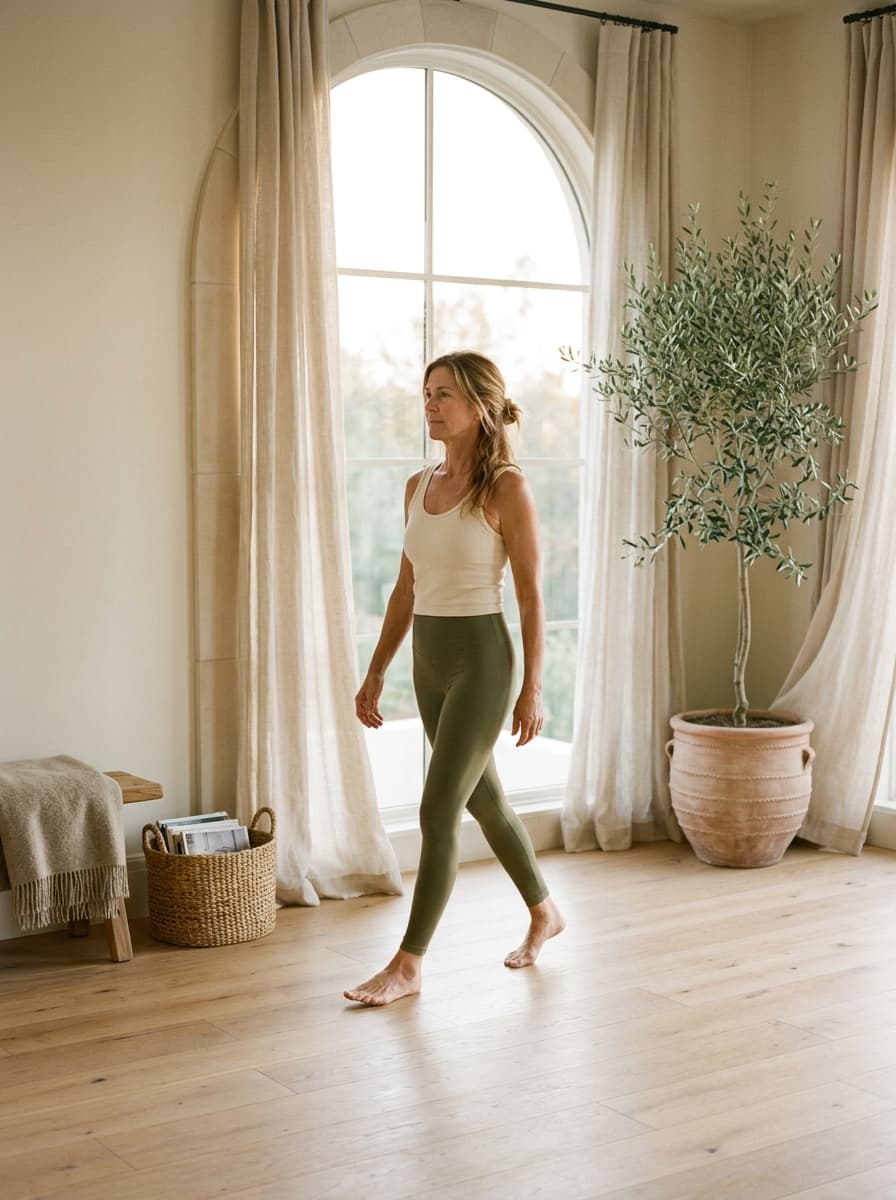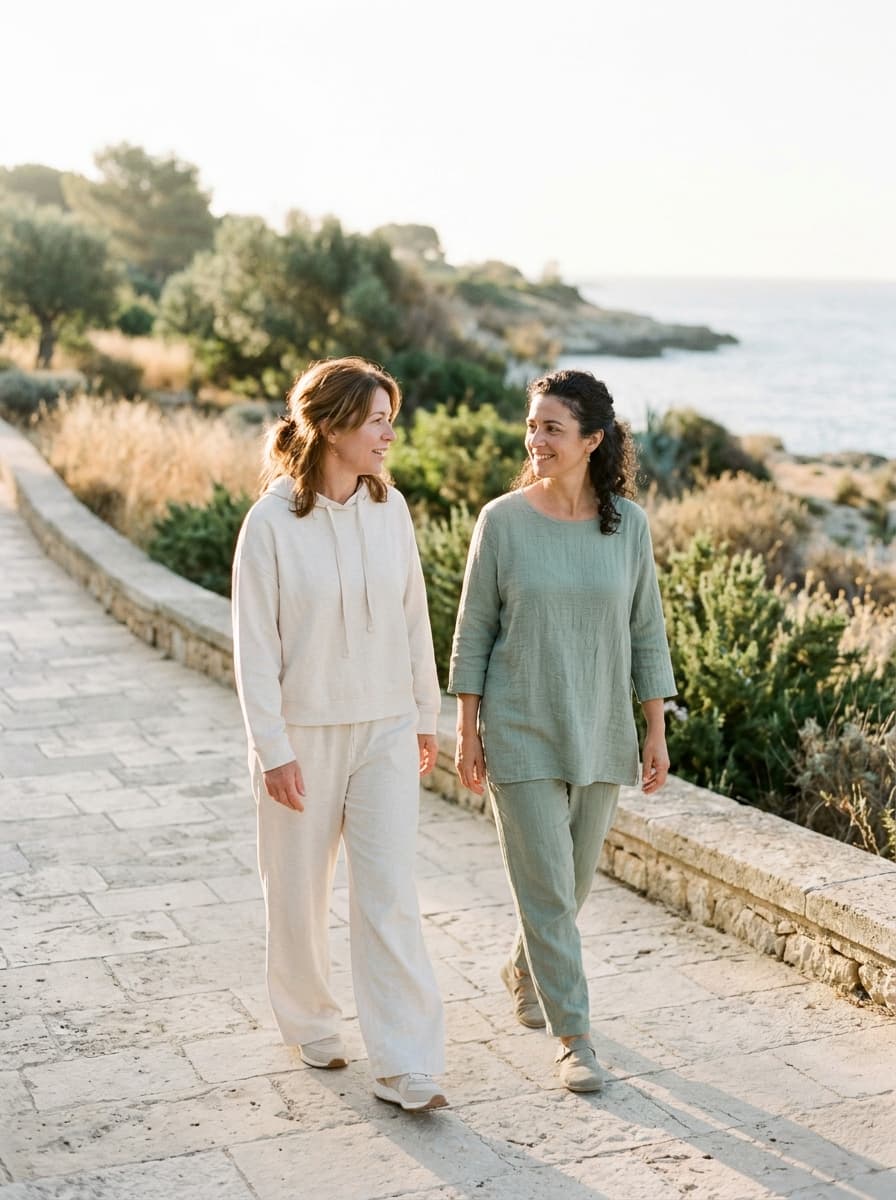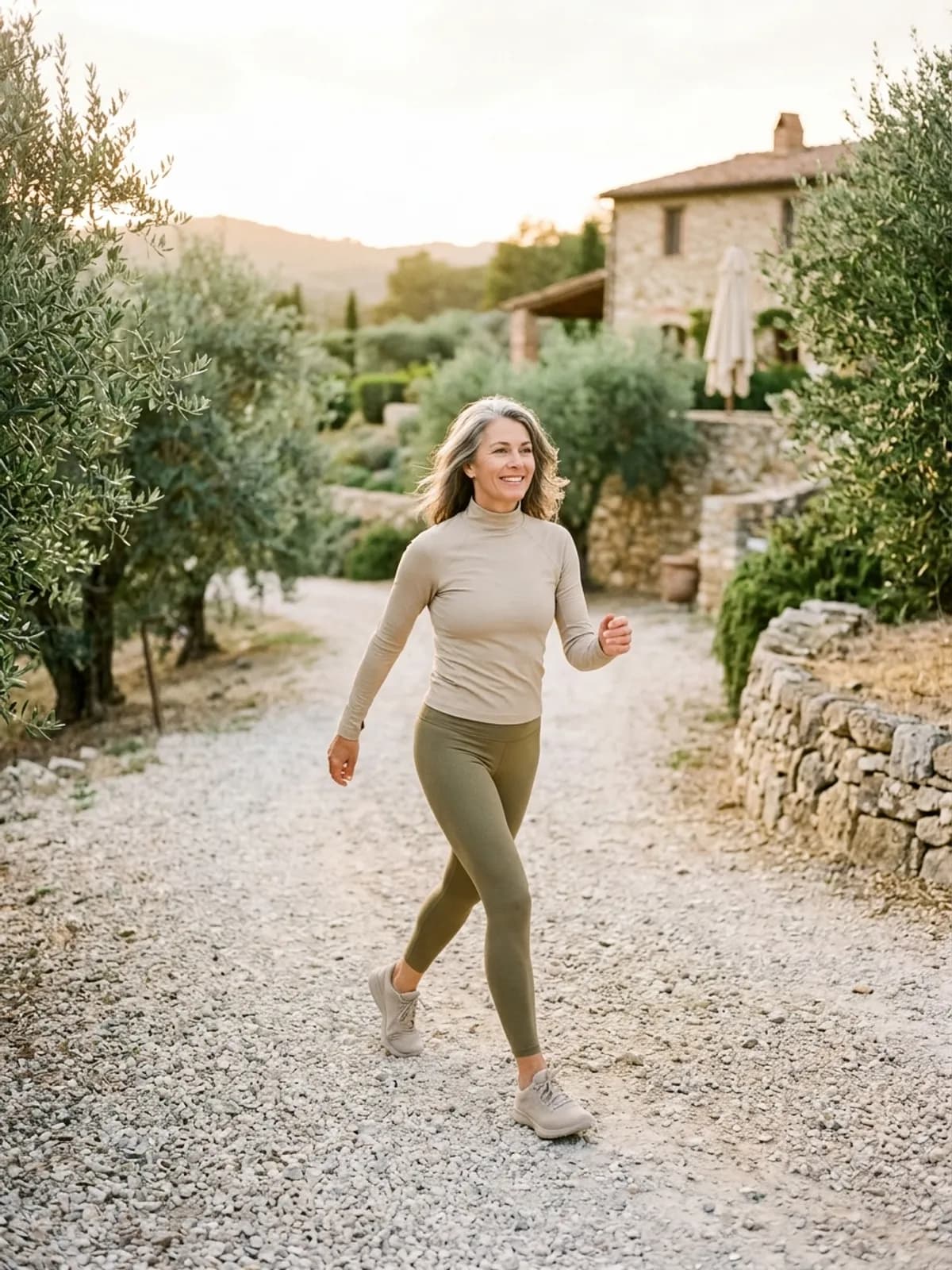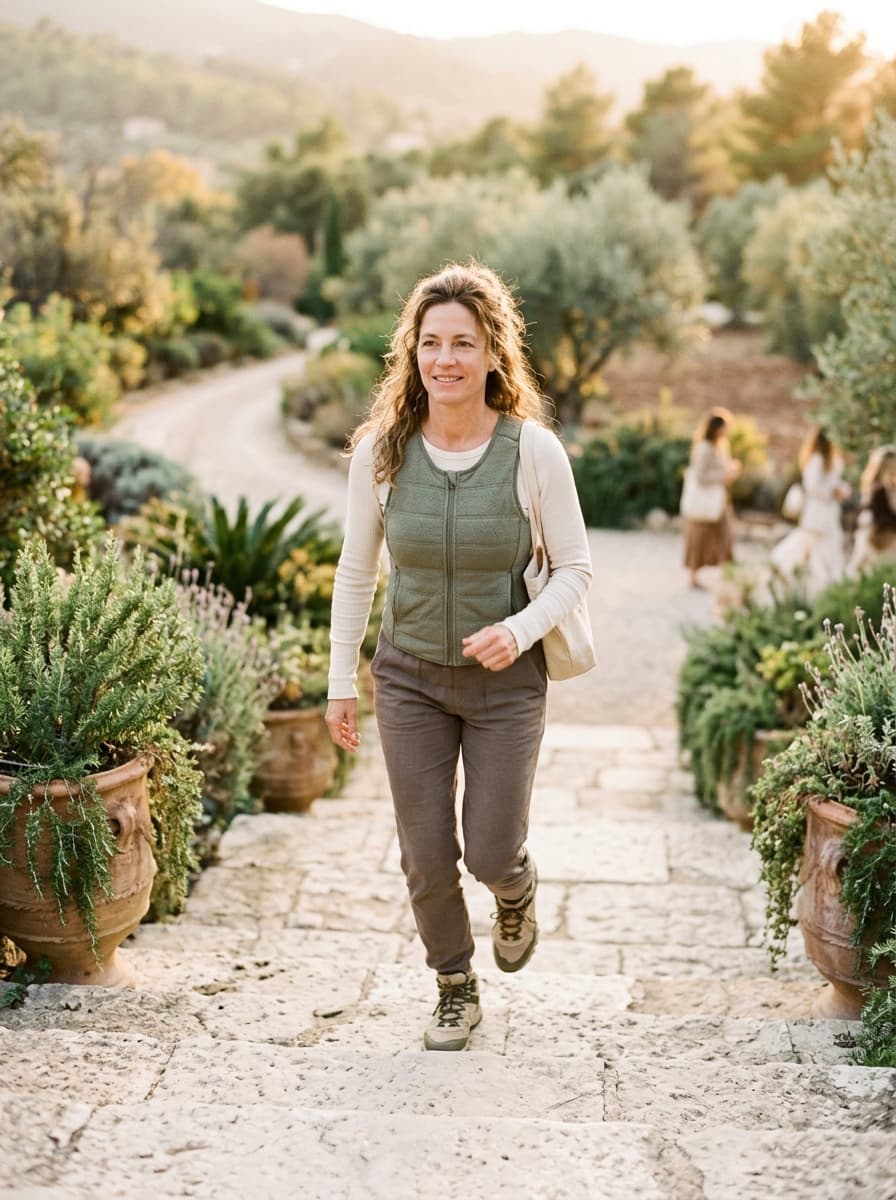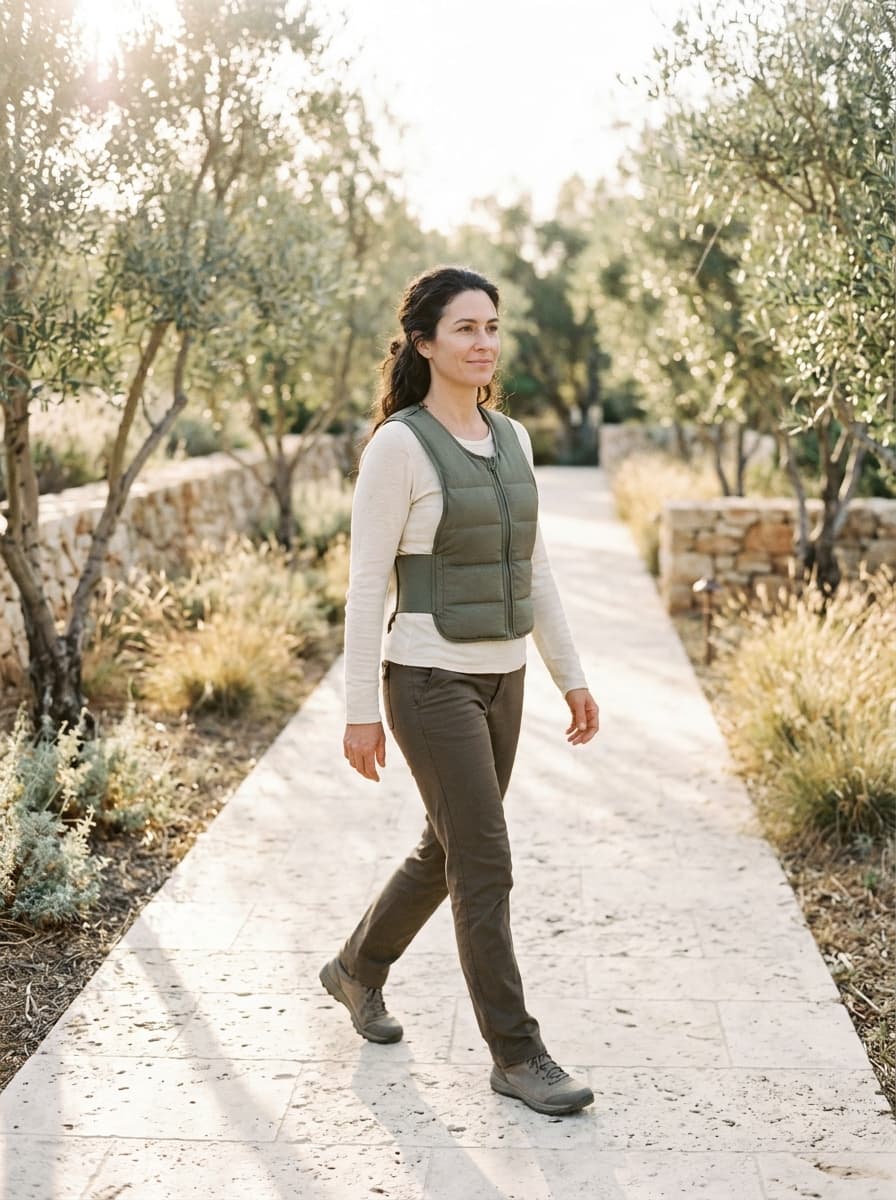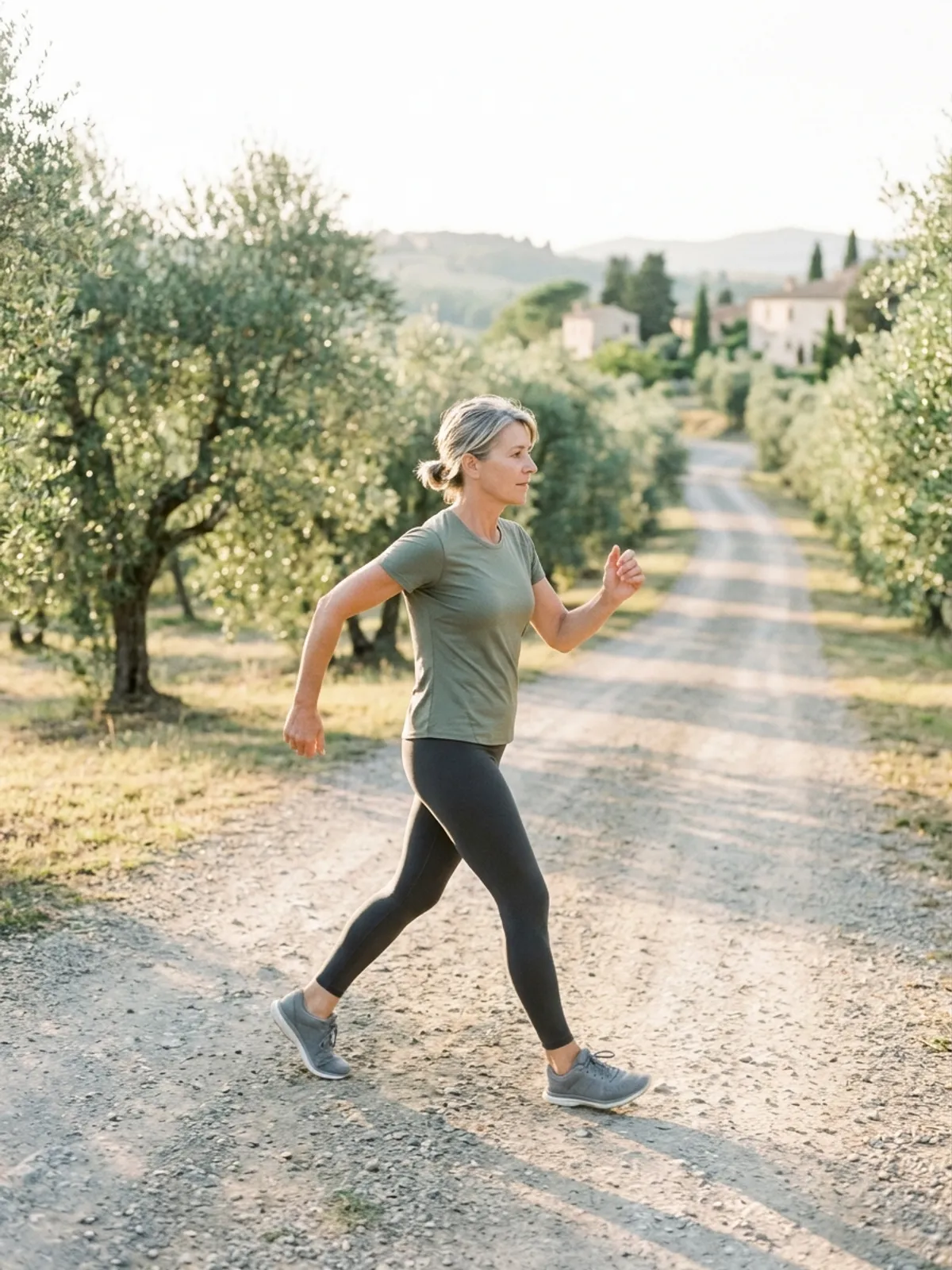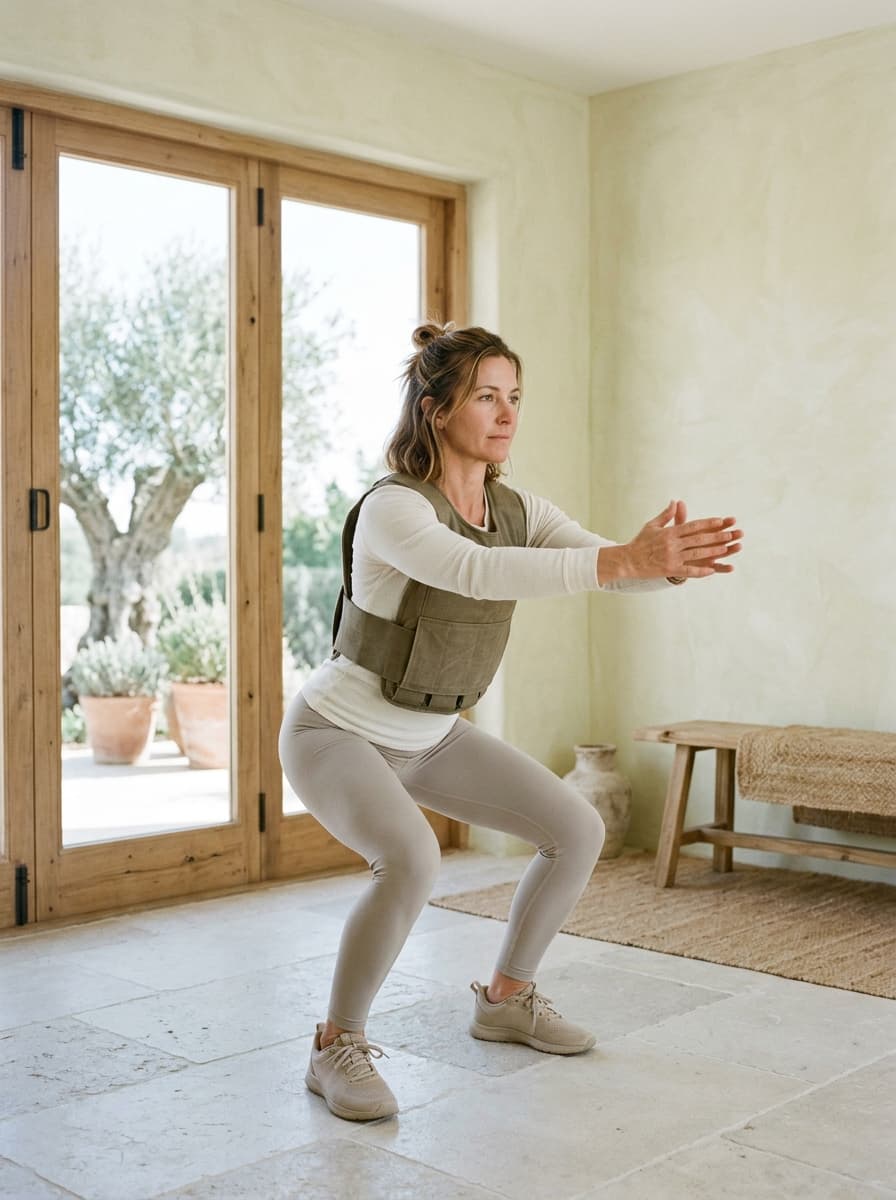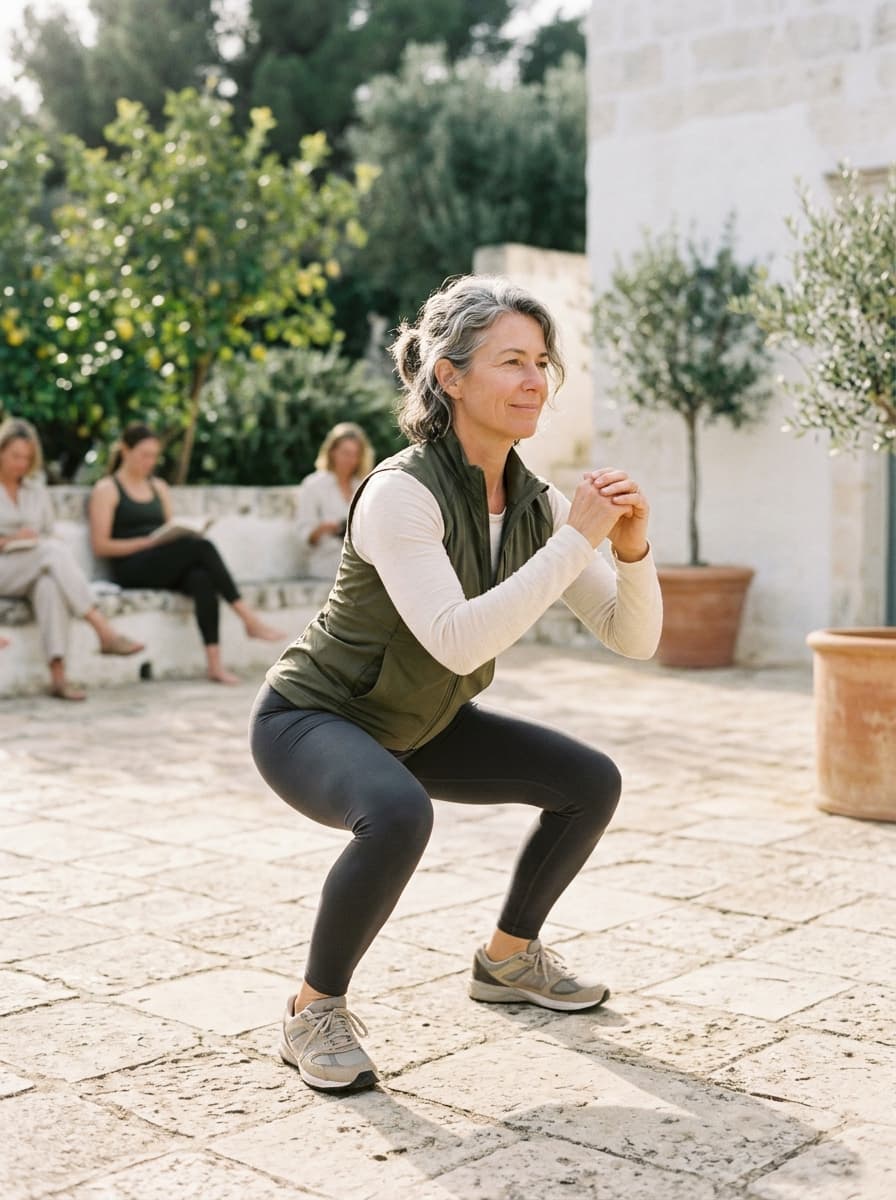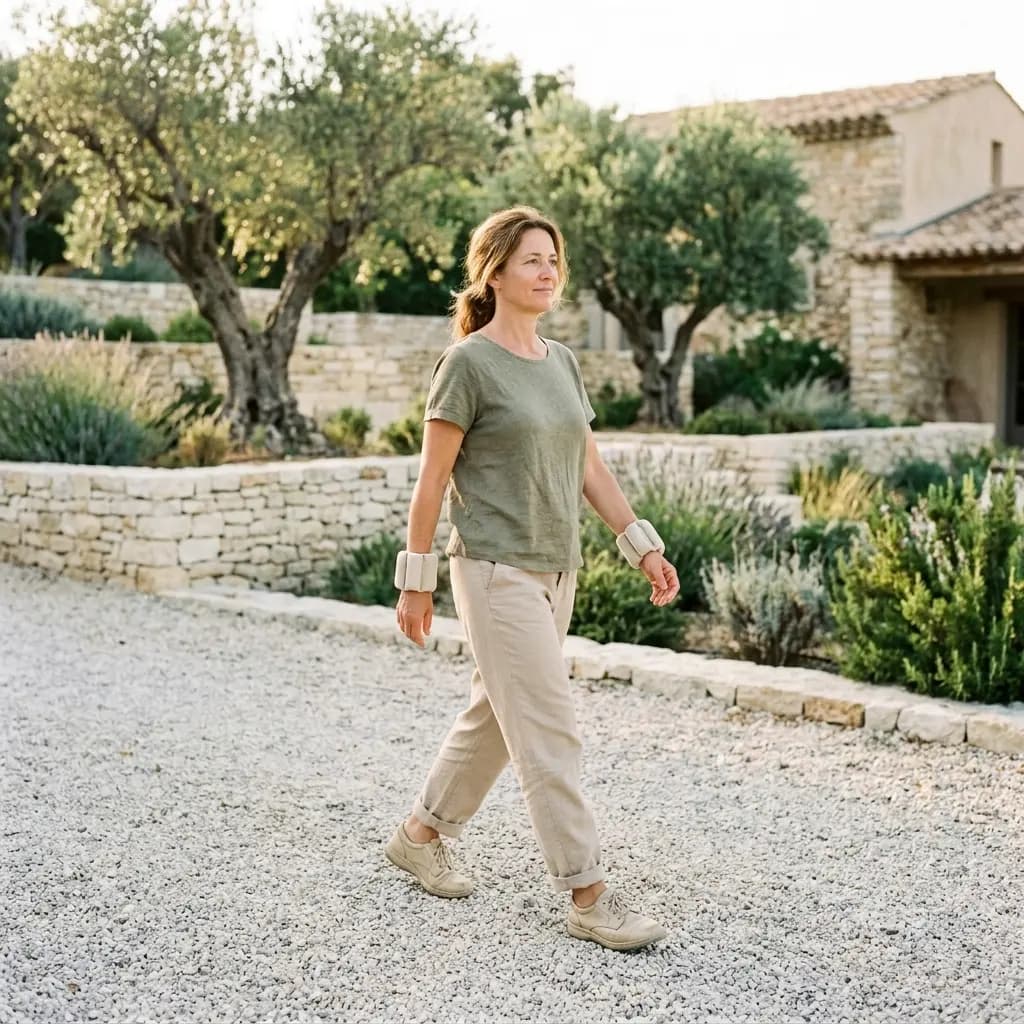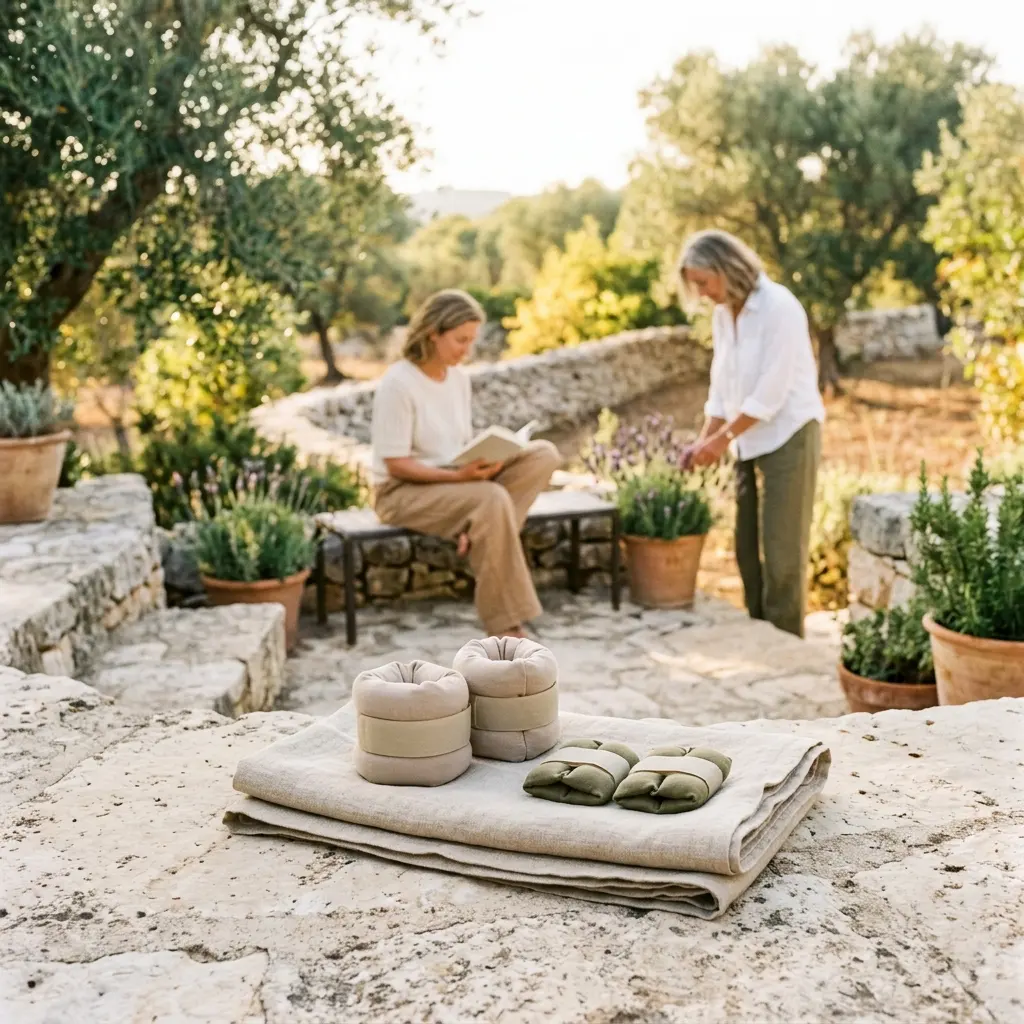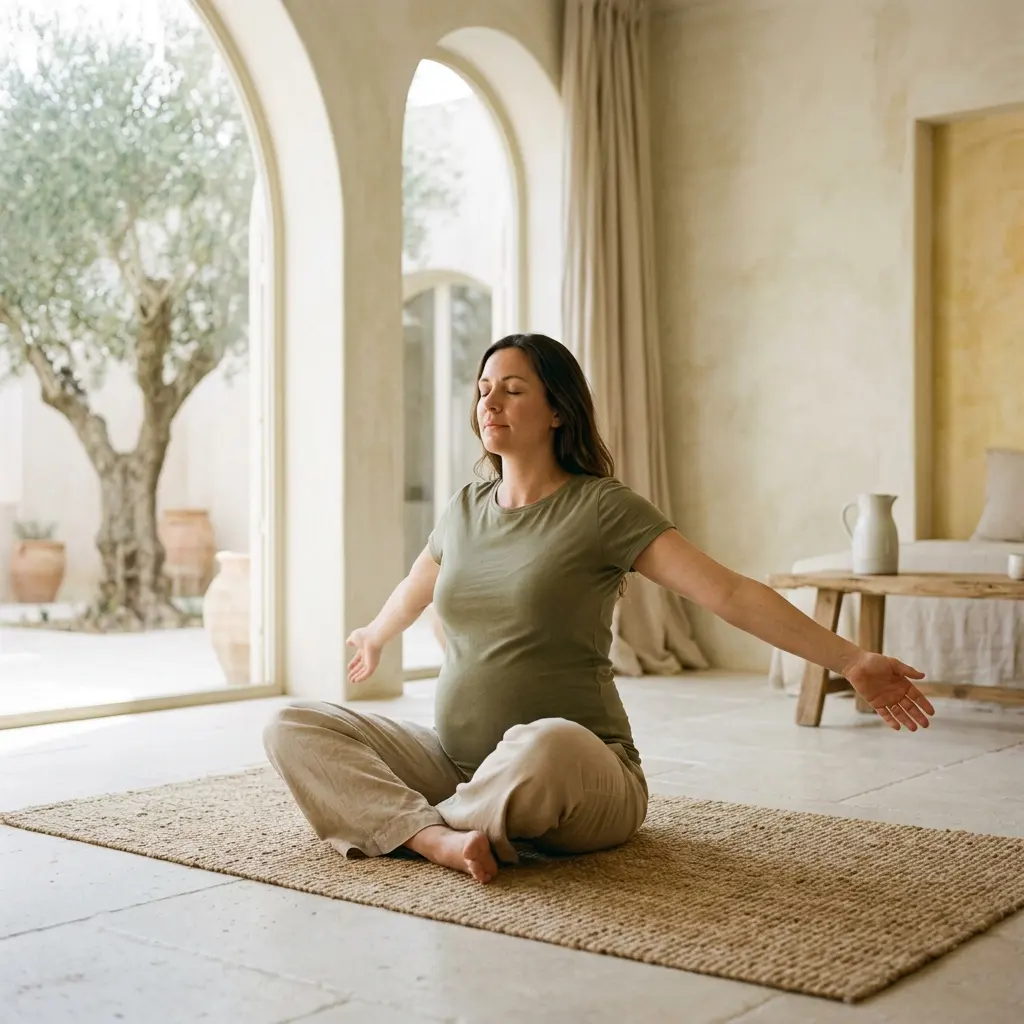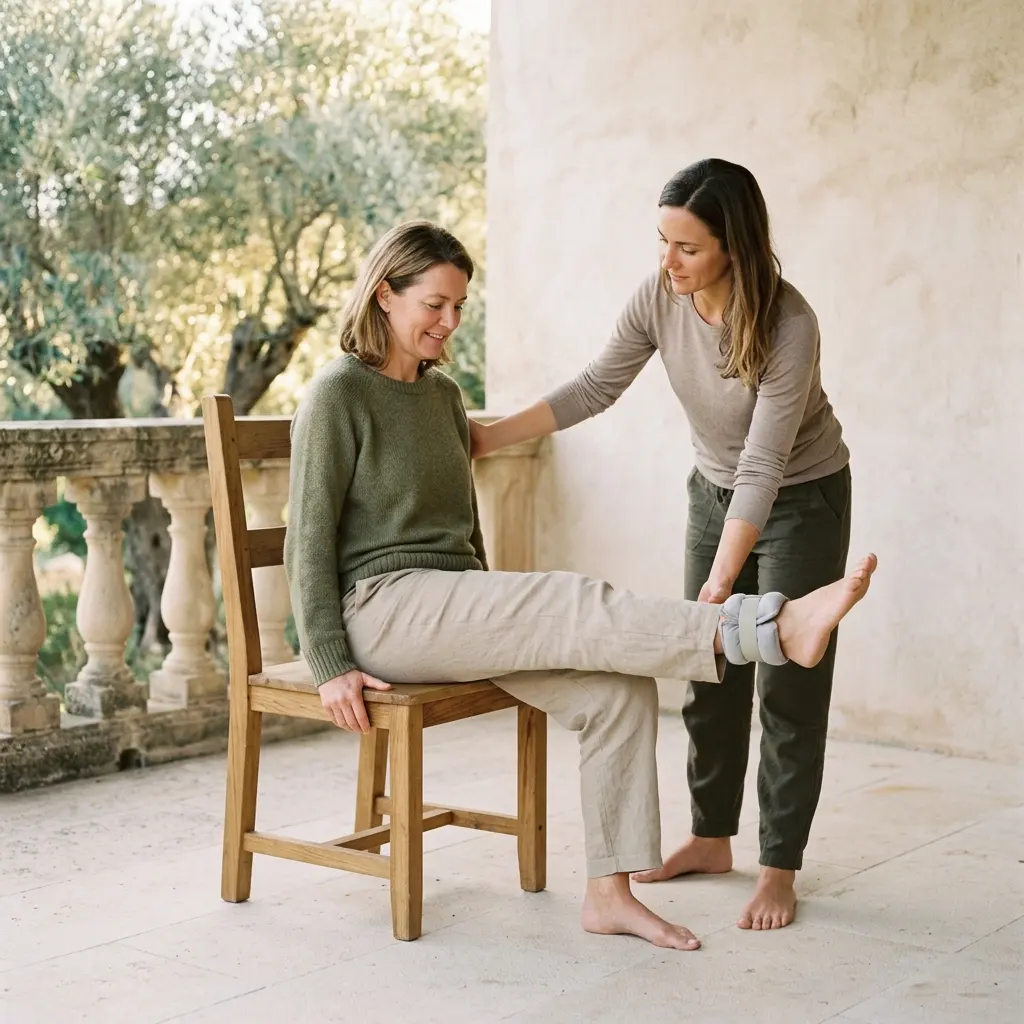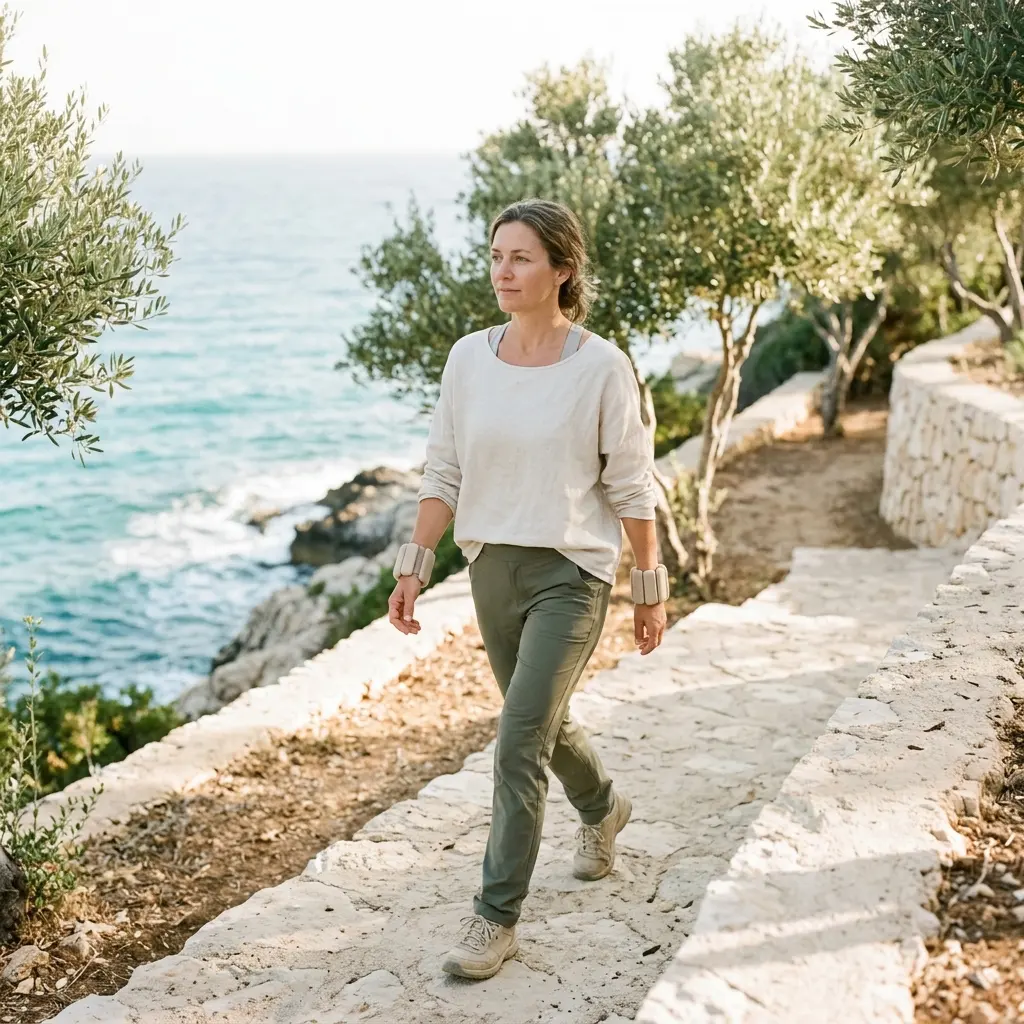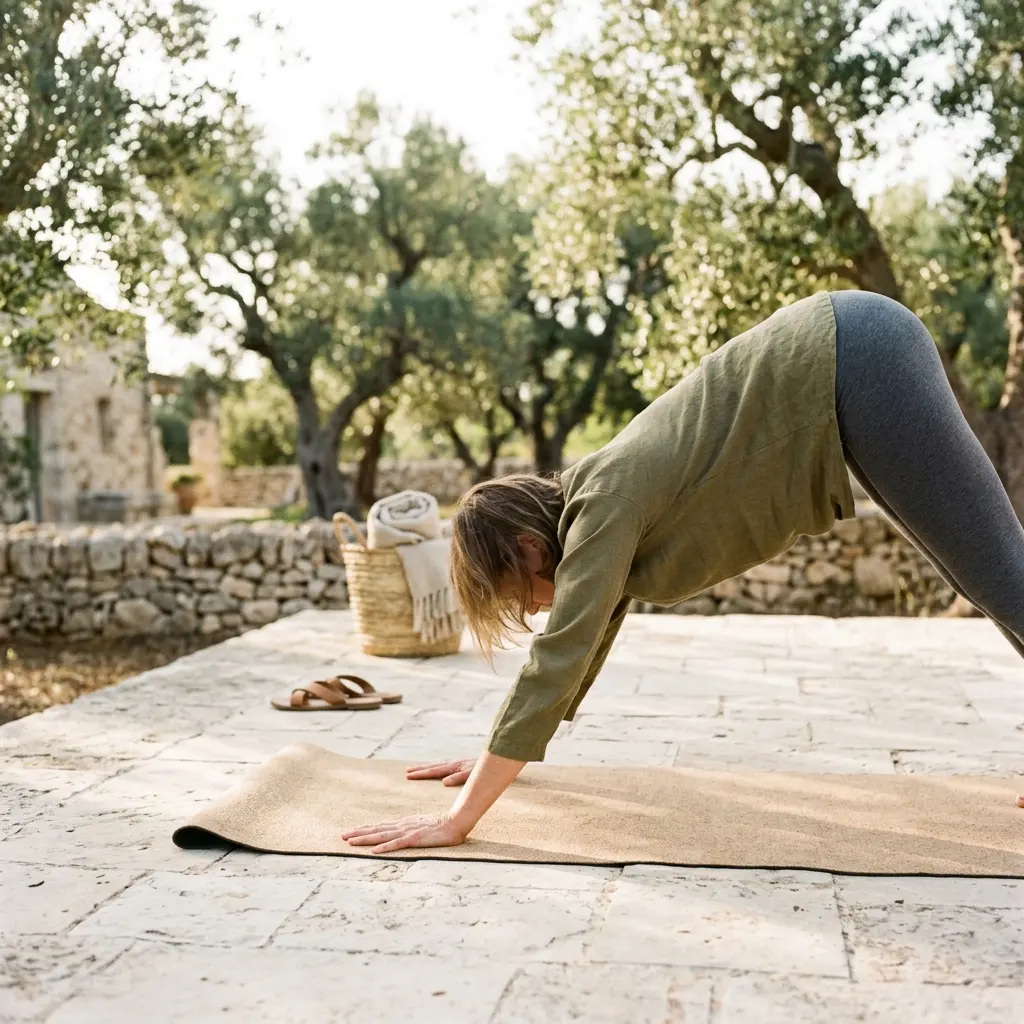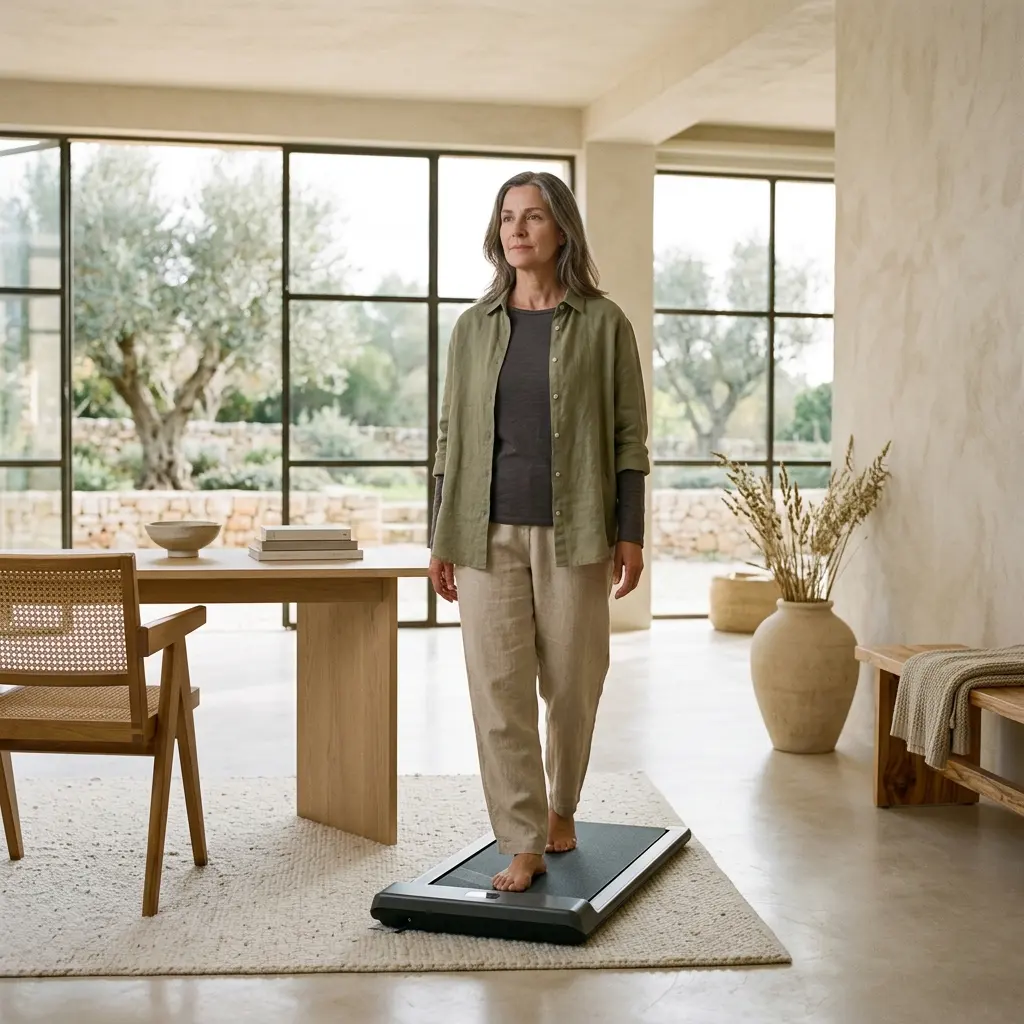
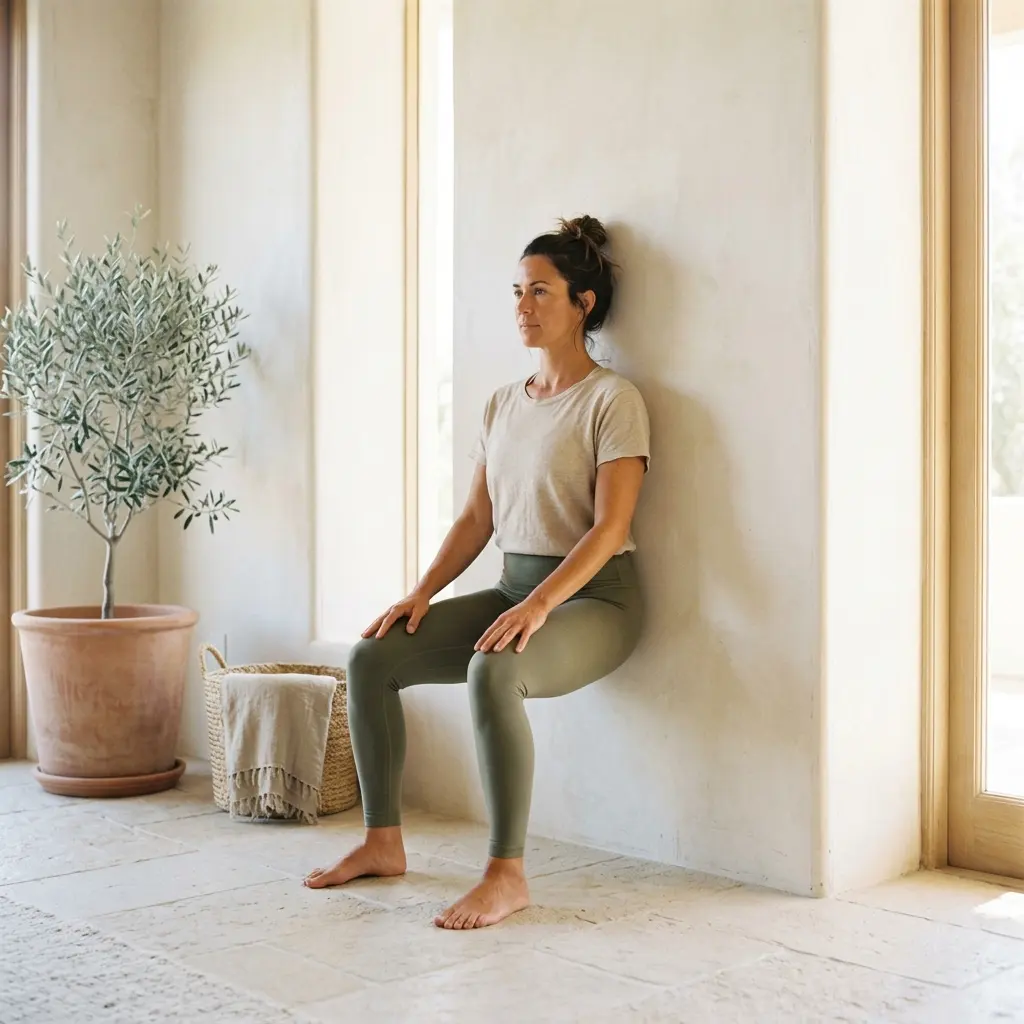
This part of the site is about movement you can do at home, in your neighborhood or next to your desk. No gym, no punishing plans. We focus on walking, light strength, Pilates, yoga and posture, because these are the kinds of movement most of us can keep doing for years.
The idea running through every article is the same: small steps, done often. A ten-minute walk you take most days will do more for you than an ambitious plan you drop in week two. Use this page as a map. Pick the section that matches where you are right now, read one article, and try one thing this week.
Start here
- Japanese Walking: The 3-Minute Interval Method, Step by Step: the simplest structured plan on the site, and a good first step if you already walk.
- Ankle & Wrist Weights: The Complete Guide: read this before you buy a pair, so you start light and use them where they make sense.
- Quick Exercises for Busy Days: 3 Low-Impact Movement Snacks: for weeks when a full workout is not going to happen.
Walking: Japanese intervals and everyday plans
Walking is the foundation of this section. If you are starting from very little, begin with a plan that builds minutes slowly. If you already walk regularly and want more from the same time, try Japanese interval walking, which alternates brisk and easy minutes. Our free Japanese walking timer calls the intervals for you, so you can keep your eyes on the path.
- Japanese Walking: The 3-Minute Interval Method, Step by Step: how the brisk and easy rounds work and how to pace them.
- 30-Day Walking Challenge: A Realistic Plan for Beginners: starts at ten minutes a day and builds week by week.
- Indoor Walking Challenge: A 4-Week Plan for Walking at Home: for bad weather, early mornings or anyone who prefers to stay in.
- 30-Day Holistic Wellness Challenge: Gentle Movement and Calm: pairs a daily walk or stretch with a few minutes of slow breathing.
- Japanese Walking Workouts: 5 Session Formats for Any Setting: outdoor, treadmill, at home, hills and an 18-minute version, each with a timer preset.
- A 10-Minute Walking Workout at Home (No Equipment): a follow-along session for busy days and small spaces.
- Japanese Walking for Weight Loss: What It Can and Can't Do: what the research measured, and realistic expectations.
- Best Shoes for Japanese Walking and Everyday Brisk Walks: flexible, roomy and cushioned options for brisk intervals.
Weighted vests
A weighted vest adds load to walking and simple bodyweight moves while keeping the weight near your center of gravity, so it changes your stride less than ankle or wrist weights. It is a progression for an existing habit, not a starting point, and the bone-density and fat-loss claims around vests are overstated. Start with the guide, keep the first load at about 5 percent of your body weight or less, and if you follow Japanese walking, learn the intervals without a vest first.
- Weighted Vests for Women: Benefits, Safety and How to Start: what a vest can and cannot do, who should be careful and how to pick a starting load.
- Japanese Walking With a Weighted Vest: When and How to Start: why the vest goes on easy intervals first.
- Weighted Vest Workouts for Women: A Gentle Beginner Plan: five low-impact moves with a six-week progression.
- Best Weighted Vests for Walking: Light, Secure and Comfortable: low-bounce vests for daily walks.
- Best Weighted Vests for Women: Comfortable Picks for Every Body: adjustable and fixed options for walking and home strength work.
- Weighted Vests for Plus-Size Women: Fit, Comfort and Best Picks: longer straps, U-neck cuts and stated larger sizing.
Ankle and wrist weights
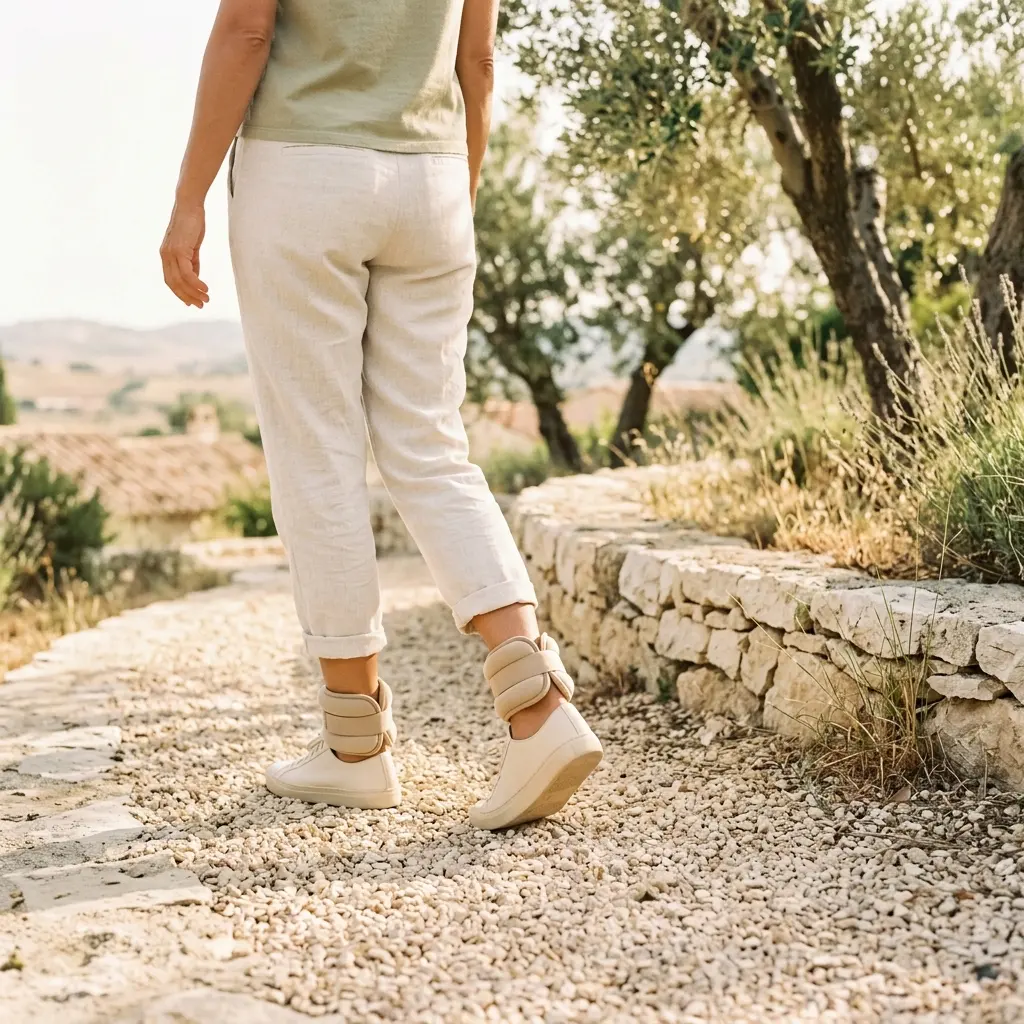
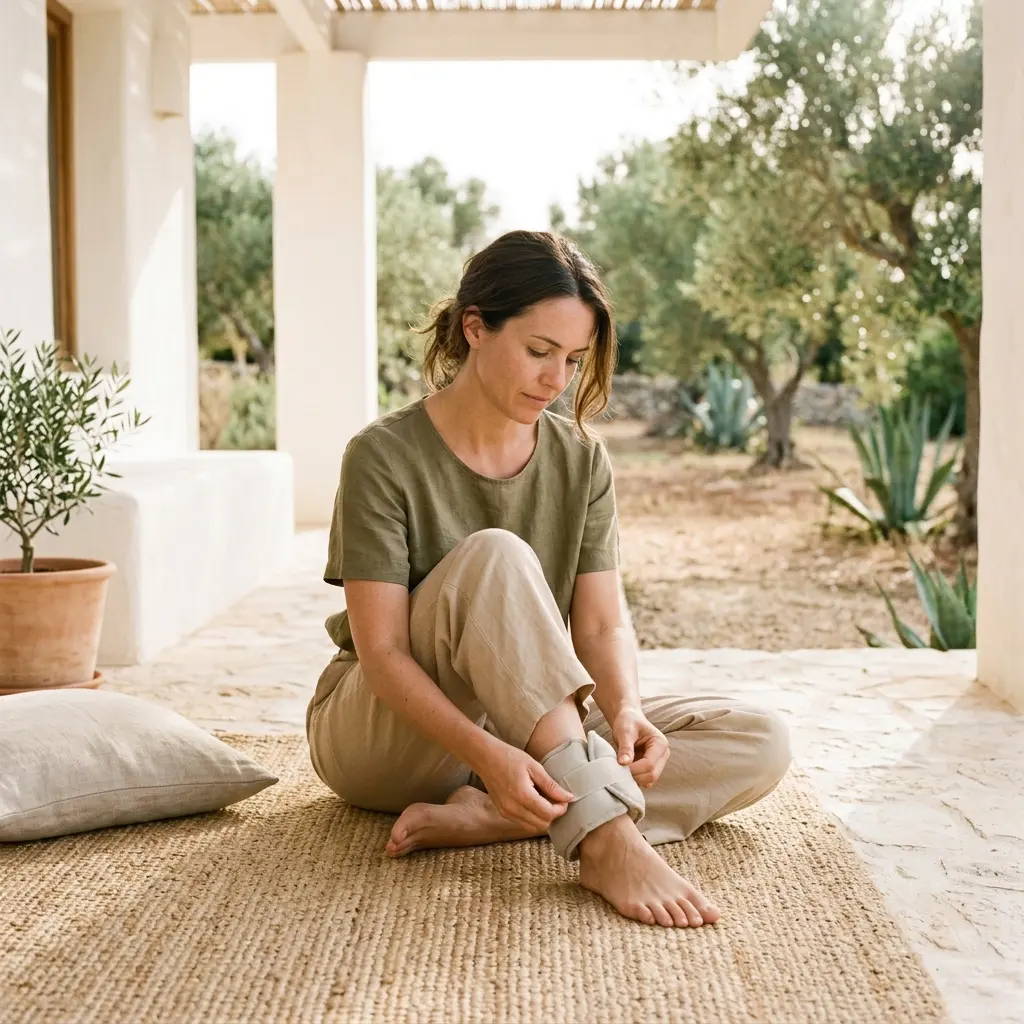
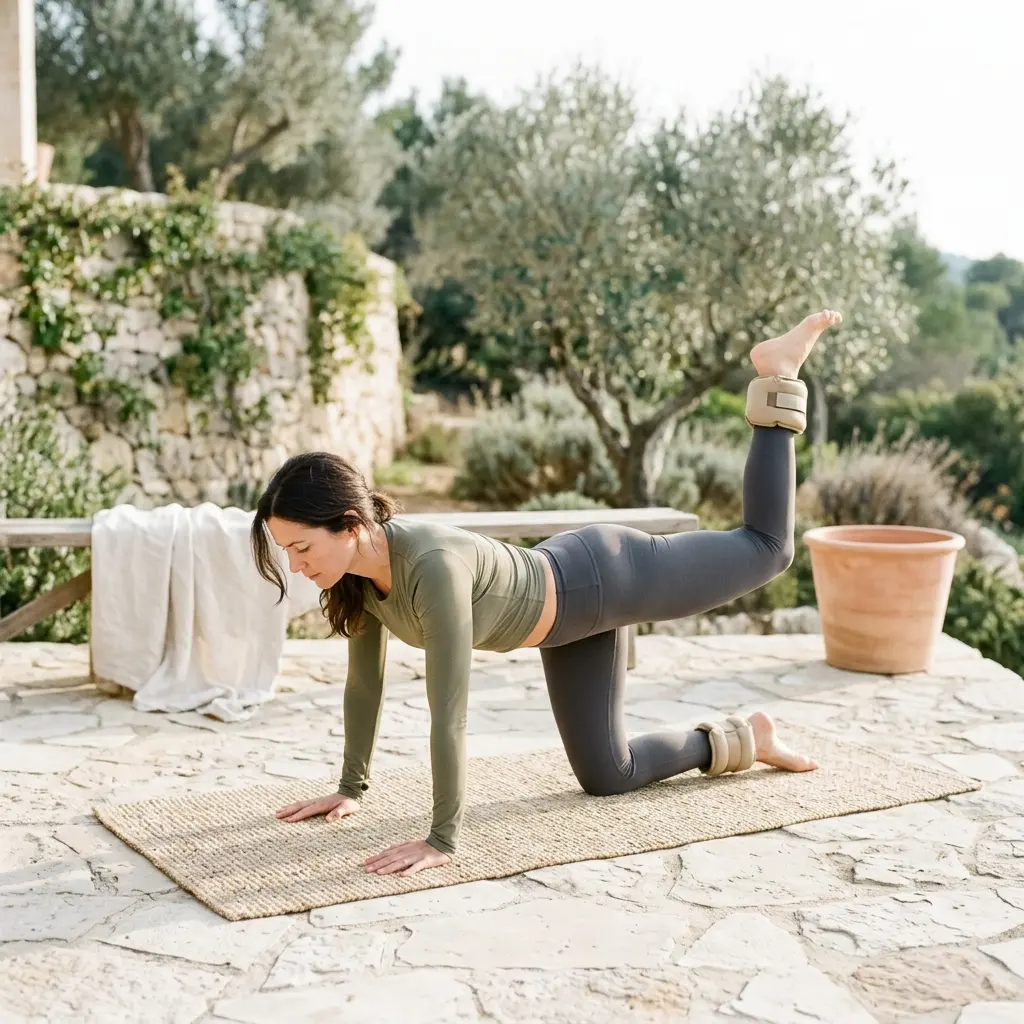
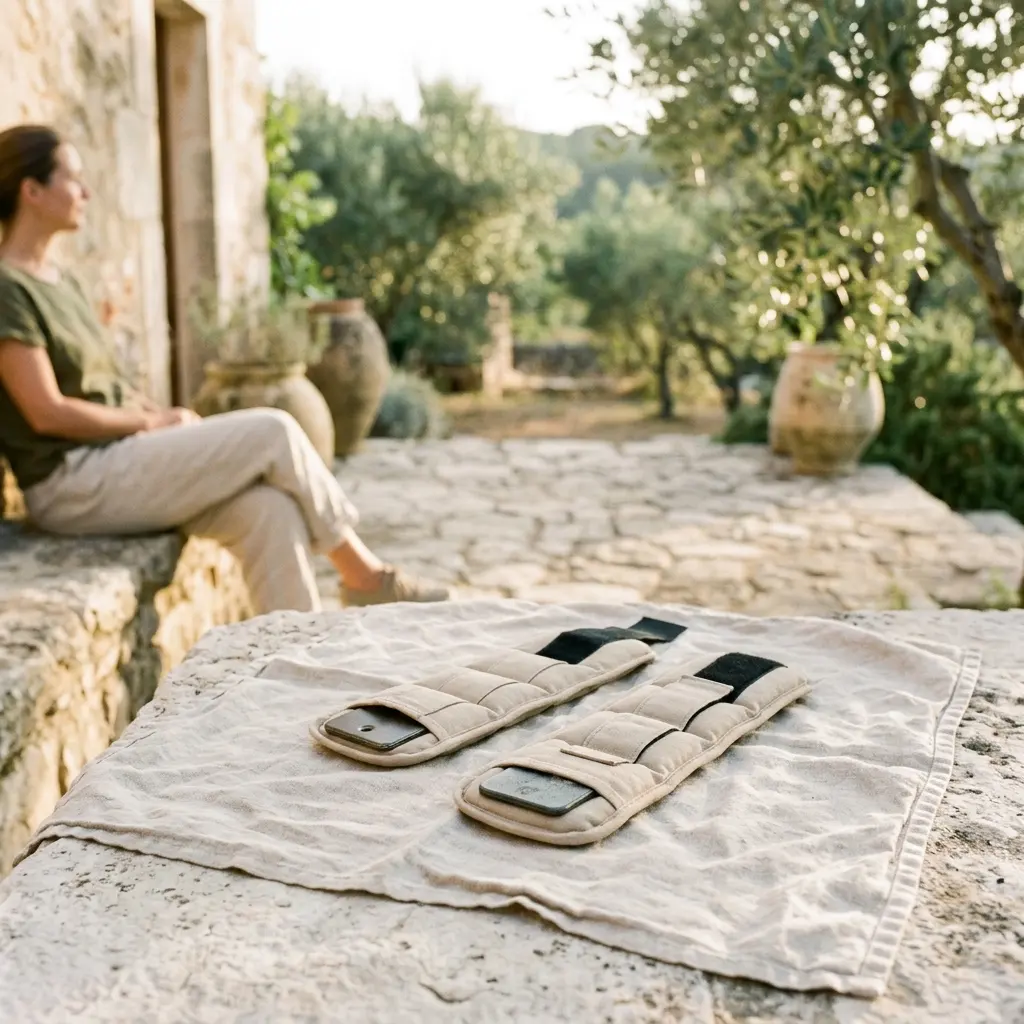
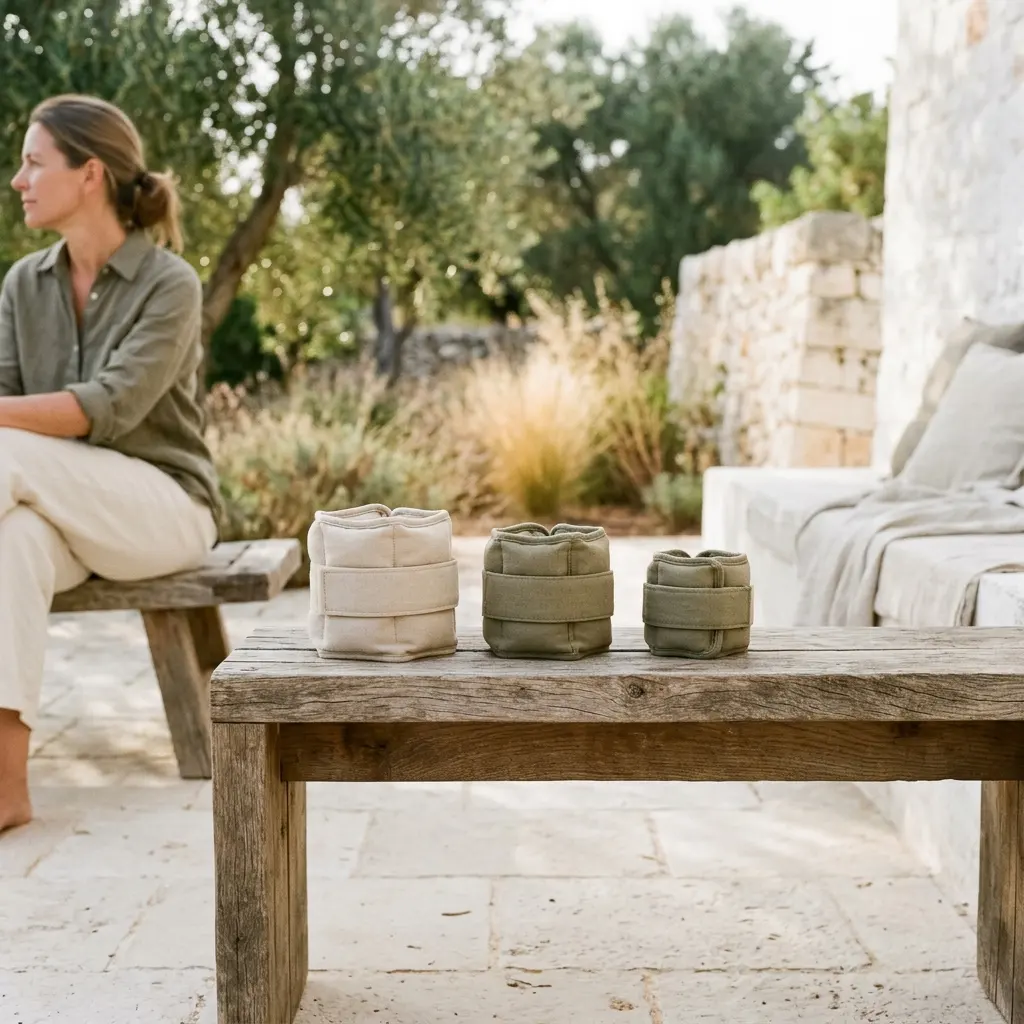
Light weights add a little resistance to movement you already do, such as walking or floor exercises. They are not a shortcut, and heavier is rarely better. Start with the complete guide and the beginner article, then use our ankle weight calculator to find a sensible starting weight before you look at the buying guides. If you are pregnant or recovering from an injury, read the dedicated articles and talk to your provider or therapist first.
Getting started
- Ankle & Wrist Weights: The Complete Guide to Benefits, Safety & Choosing the Right Pair: the overview of what they do, where they help and where they do not.
- Ankle Weights for Beginners: How to Start Safely: starting weights and how long to stay at each step.
- How Heavy Should Ankle Weights Be? A Complete Guide: weight ranges for walking versus floor work.
- Are Ankle & Wrist Weights Actually Effective? (The Science): an honest look at what they can and cannot build.
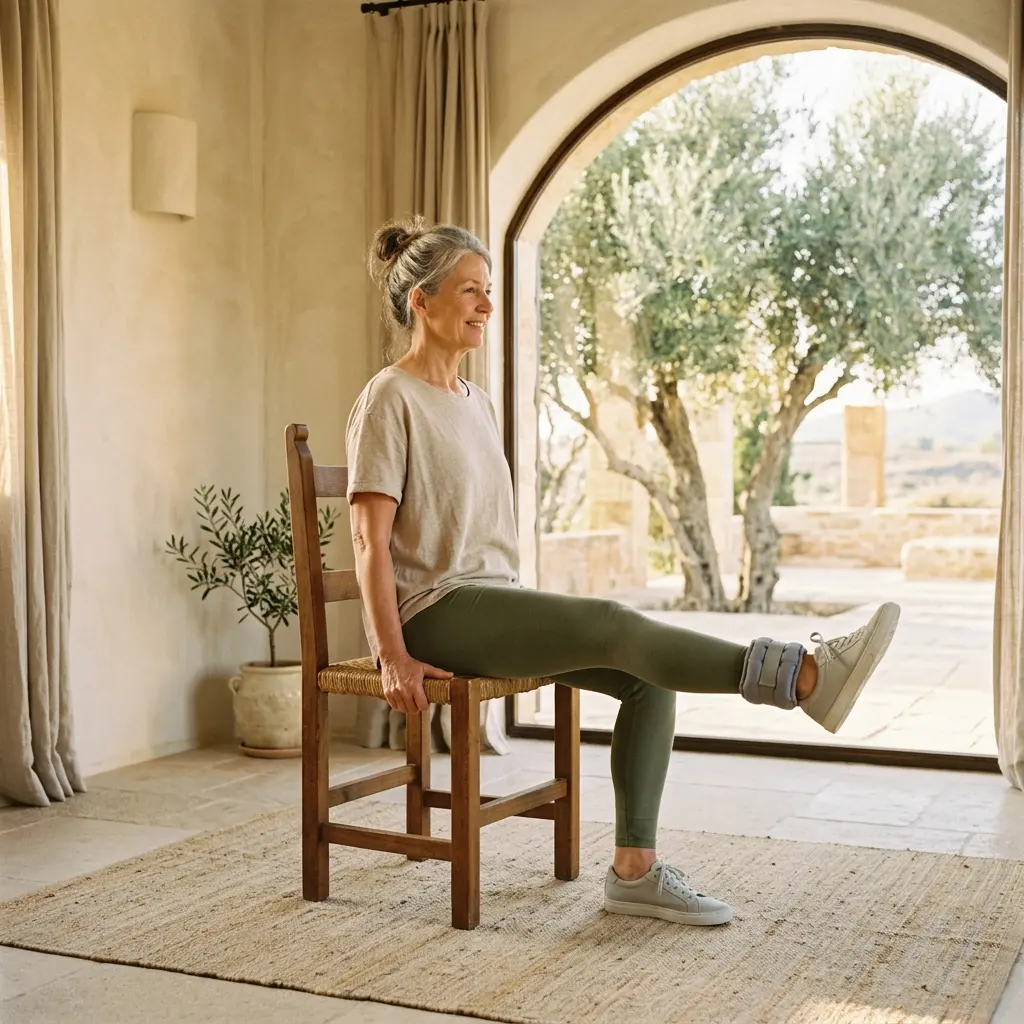
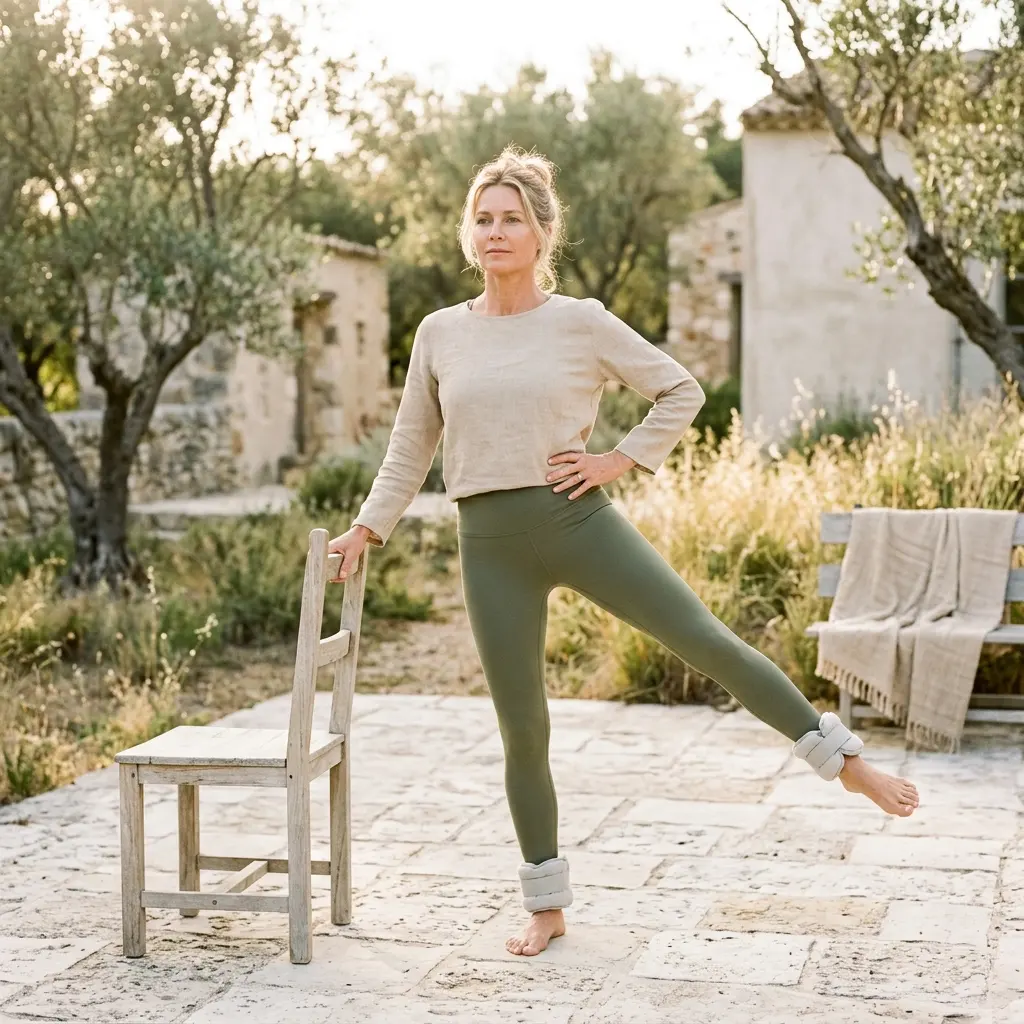
- Ankle Weight Exercises for Glutes & Legs: Best Moves: the floor and standing moves where cuffs work best.
Common questions
- Do Ankle Weights Help You Lose Weight?: a realistic answer, with the bigger factors put in context.
- Can You Wear Ankle Weights on Your Wrists or Arms?: why dedicated wrist weights are usually the better choice.
- Are Wrist Weights Safe for Walking? (Pros & Cons): how to keep your arm swing natural and your joints comfortable.
- Benefits of Wrist Weights While Walking: what light wrist weights add to a walk, and what they do not.
- Ankle Weights While Pregnant: Safe or Not?: why most providers suggest pausing, and what to do instead.
- Wrist & Ankle Weights for Physical Therapy & Rehab: why the timing in rehab is your therapist's call.
Choosing a pair
- Best Ankle Weights for Walking (2026): light, contoured cuffs that stay put on a walk.
- Best Ankle Weights for Women (Comfort & Grip): soft linings and straps that fasten firmly without digging in.
- Best Ankle Weights for Seniors (Low-Impact Strength): very light options with easy-fasten straps.
- Best Adjustable Ankle Weights Compared: one pair that grows with you as you get stronger.
- Best Wrist Weights for Walking & Cardio (2026): snug wraps and thumb loops for repetitive arm movement.
Pilates at home
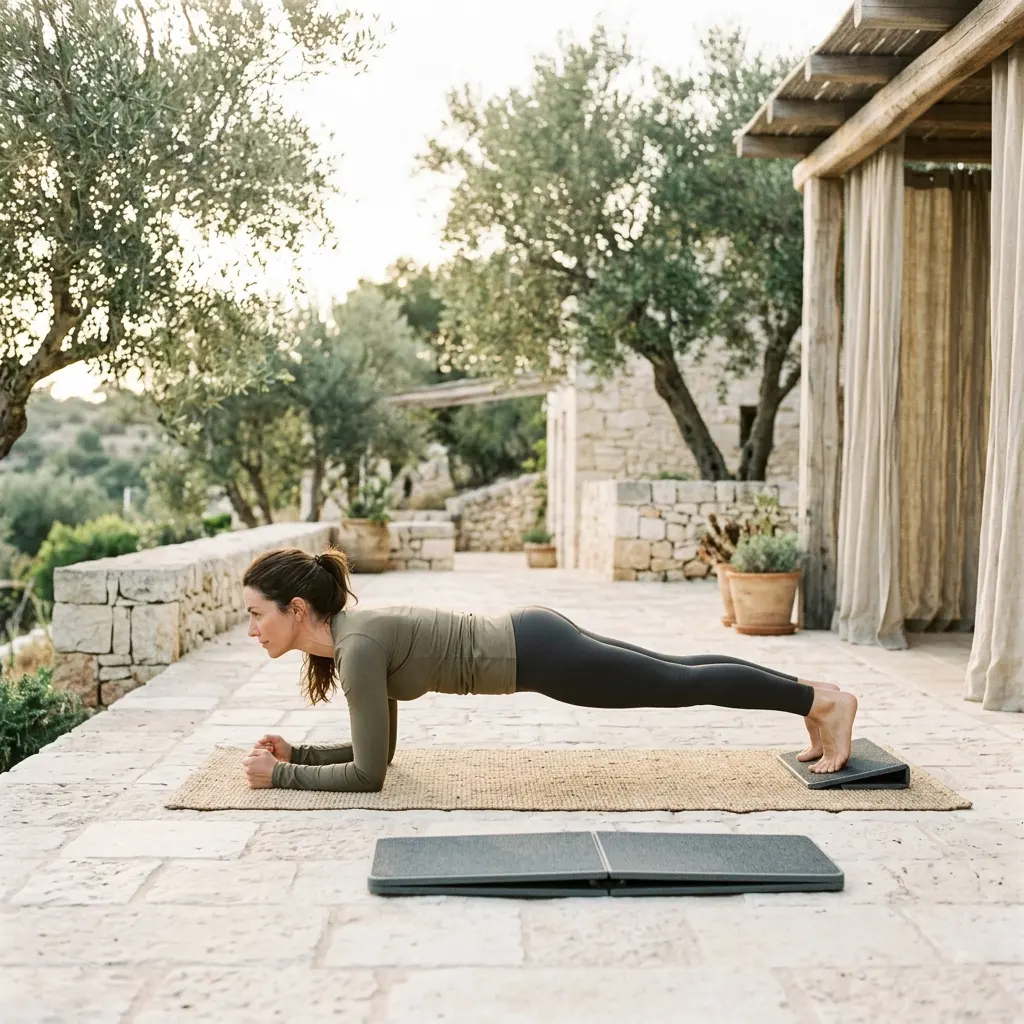
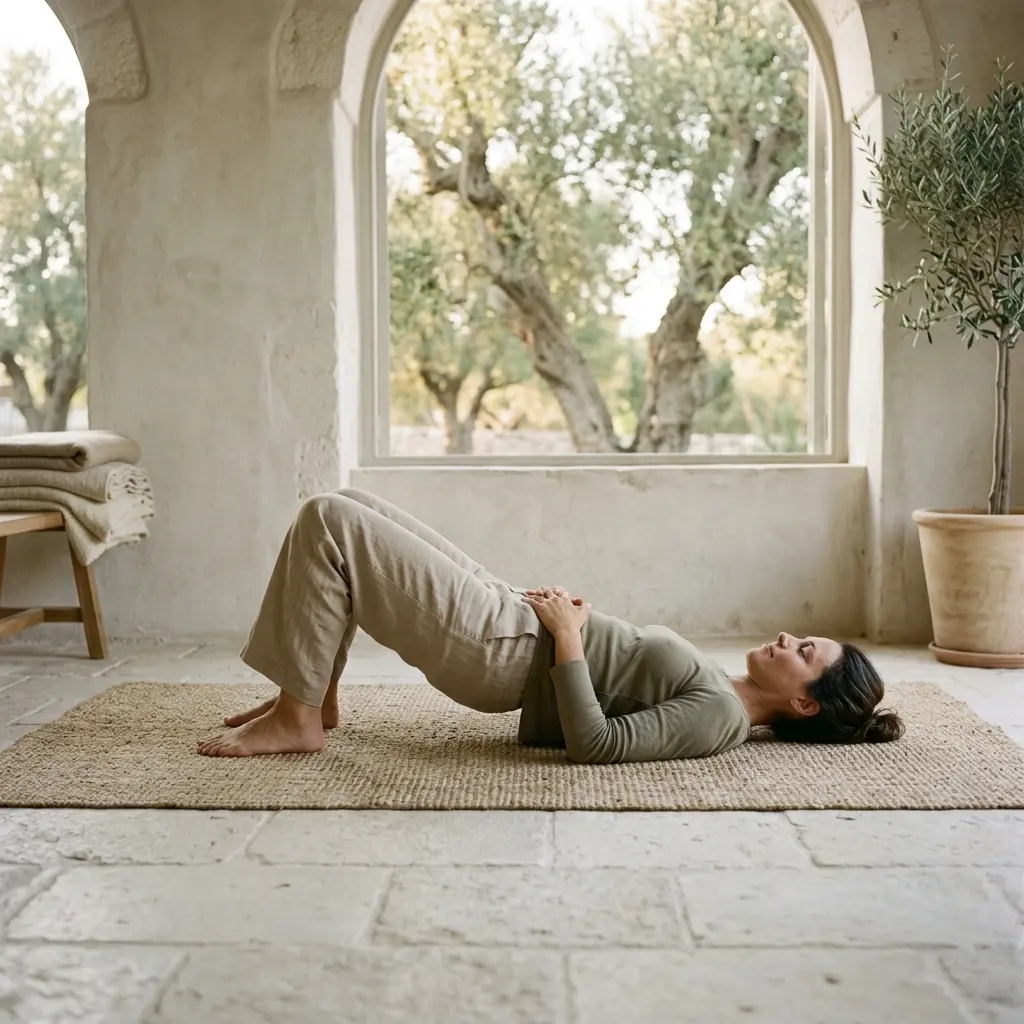
Pilates suits you if you want core strength and better control without jumping or heavy lifting. If getting up and down from the floor is hard, start with wall Pilates. If you want something slow that pays attention to how movement feels, try somatic Pilates. The board plan is for when you are ready to add a piece of equipment.
- Wall Pilates for Busy Women: A 15-Minute Home Routine: five moves that use the wall for support.
- Somatic Pilates for Beginners: A 12-Minute Home Routine: slow floor work with breathing and gentle tilts.
- Pilates Board Exercises at Home: A Beginner 3-Week Plan: what a home board is and how to use it with control.
Yoga
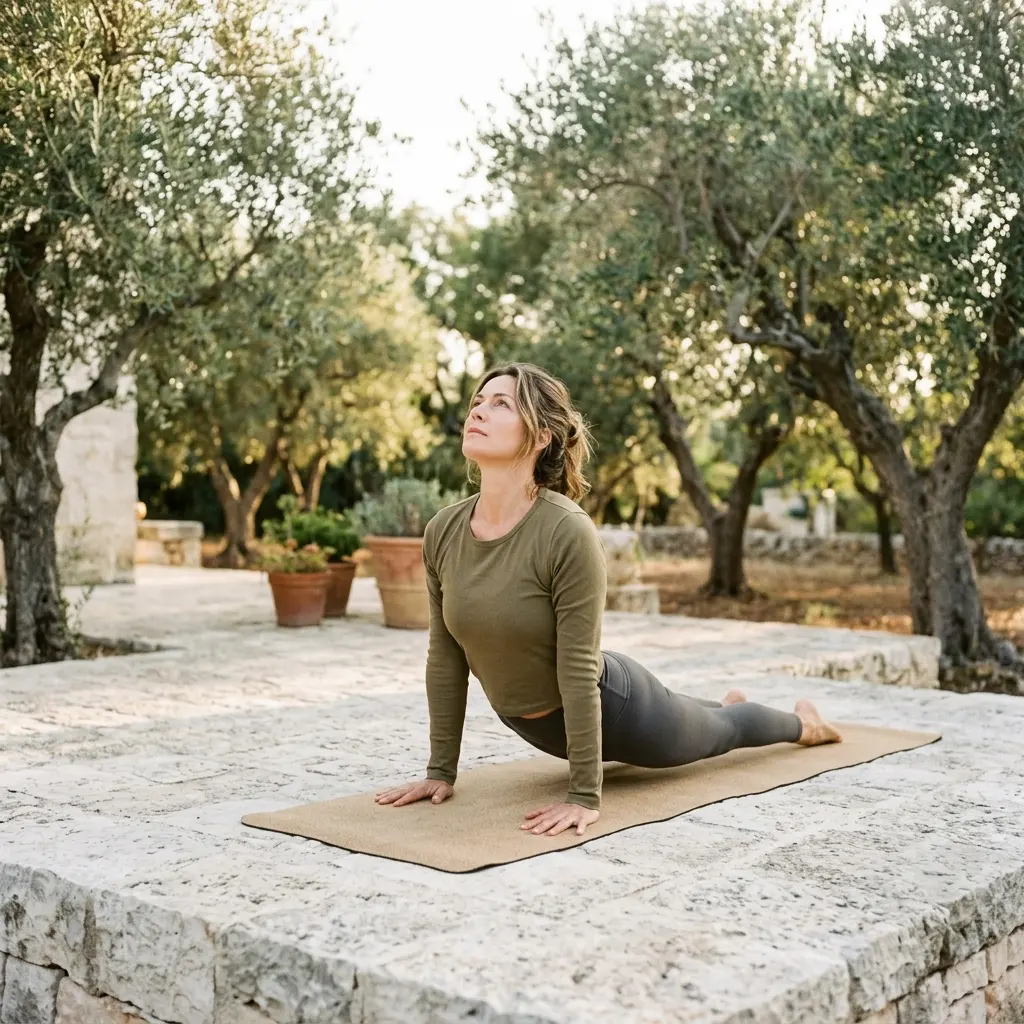
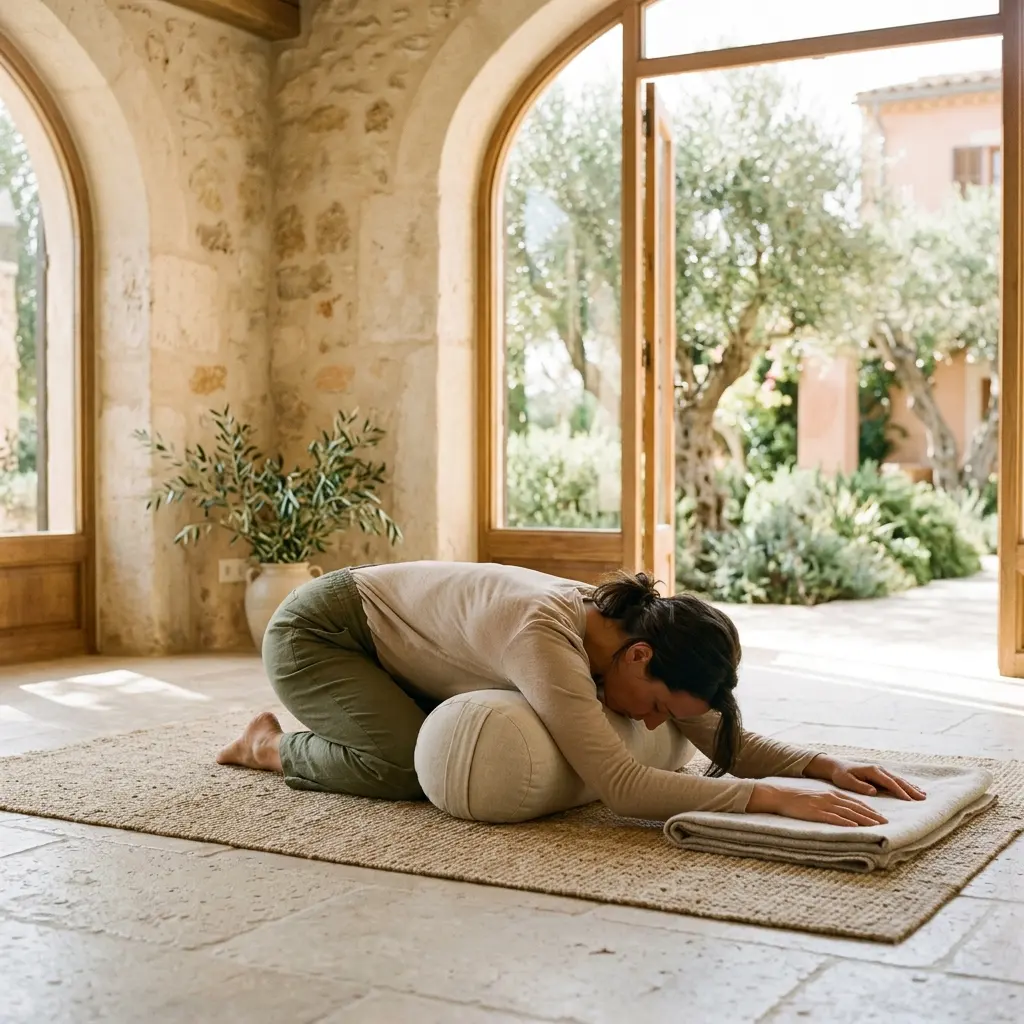
Our yoga articles lean gentle: supported poses, clear cues and options for stiff bodies. If you are new, start with the tantric sequence, which is slow and well supported. If you already practice and want to work on one pose, the Upward-Facing Dog guide and its mat companion go into detail. For the face, facial yoga is a short daily habit with modest, honest expectations.
- 5 Gentle Tantric Yoga Poses: A 30-Minute Home Sequence: five supported poses held with slow breathing.
- Upward-Facing Dog (Urdhva Mukha Svanasana): A Safe How-To: setup, common mistakes and easier variations.
- Best Yoga Mat for Upward-Facing Dog: Grip vs Cushioning: why grip matters more than thickness for this pose.
- Facial Yoga: 5 Exercises With Clear Cues, and What It Can Do: short holds for the cheeks, jaw and eyes.
For the background and philosophy behind tantric practice, see Tantric Yoga for Beginners in our Healing & Spirituality section.
Posture and movement for desk days
Long hours at a desk show up in the neck, shoulders and low back. These articles are for anyone who sits most of the day. The aim is not perfect posture but more variety: strengthen the upper back, change position often and add short movement breaks between tasks.
- Posture Correction at Home: A 10-Minute Daily Routine That Works: a short routine plus a simple desk setup.
- Desk Yoga: 4 Chair Poses to Unwind From Work in 2 Minutes: chair stretches for a quick reset once an hour.
- Quick Exercises for Busy Days: 3 Low-Impact Movement Snacks: morning mobility, a desk reset and a short strength circuit.
- Functional Fitness at Home: 10 Everyday Moves, Room by Room: strength for standing up, lifting, carrying and balancing.
If a workday leaves you tense rather than stiff, pair these with How to Reduce Stress at Work or a few rounds on our breathing pacer.
If you have a health condition, an injury or are pregnant, check with your doctor before starting a new exercise routine.