


Our focus on this site is gentle movement and everyday calm, so this section is deliberately small. What lives here is one practical collection: guides to the Ninja CREAMi, a countertop machine that turns frozen bases into ice cream, sorbet and protein treats, so you can choose what goes into them.
The guides below are organized in the order most people need them, from deciding whether to buy, through your first pints, to recipes and fixes. We do not offer diet plans or nutrition advice here. If you have specific dietary needs, a doctor or registered dietitian is the right person to ask.
Start here
- The Complete Ninja CREAMi Guide: Models, Recipes & Tips: the overview that ties everything together.
- How to Use the Ninja CREAMi: Step-by-Step for Beginners: your first pint, from freezing to spinning.
Deciding whether to buy
If you do not own a CREAMi yet, read these first. They cover which model suits you, how it compares with other ice cream makers and whether it is worth the counter space.
- Is the Ninja CREAMi Worth It? An Honest Buyer's Take: who it suits and who may not use it enough.
- Best Ninja CREAMi Model: Which One Should You Buy? (2026): choosing by pint size and how often you will use it.
- Ninja CREAMi vs Other Ice Cream Makers: An Honest Comparison: how it differs from traditional churn machines.
Getting started and fixing problems
Once the machine is home, these guides help your first pints turn out well. Most early disappointments come from a few small habits, and the troubleshooting article explains how to fix a crumbly or icy result.
- The Complete Ninja CREAMi Guide: Models, Recipes & Tips: models, programs and tips in one place.
- How to Use the Ninja CREAMi: Step-by-Step for Beginners: freezing, locking the pint in and choosing a program.
- Ninja CREAMi Mistakes Beginners Make (And How to Fix Them): overfilling, short freezing and skipping the re-spin.
- Why Is My Ninja CREAMi Crumbly or Icy? (Troubleshooting): what causes texture problems and how to rescue a pint.
Recipes
Start with the beginner recipes, then branch out based on what you like. The protein, low-calorie and dairy-free collections each focus on a different kind of base.
- Best Ninja CREAMi Recipes for Beginners: simple vanilla, banana, berry and chocolate pints.
- Healthy Ninja CREAMi Protein Ice Cream Recipes: bases made with protein powder, milk or Greek yogurt.
- Ninja CREAMi Protein Powder: Best Picks & How to Use: which powders blend smoothly and how to mix them in.
- Low-Calorie Ninja CREAMi Recipes for Weight Loss: lighter swaps for the base.
- Dairy-Free & Vegan Ninja CREAMi Recipes: plant milk bases that stay creamy.
- Easy Ninja CREAMi Sorbet Recipes (Dairy-Free): fruit, a little liquid and the Sorbet setting.
Pints and accessories
Because each base needs a full day in the freezer, extra pints make the biggest practical difference. These guides help you decide how many you need.
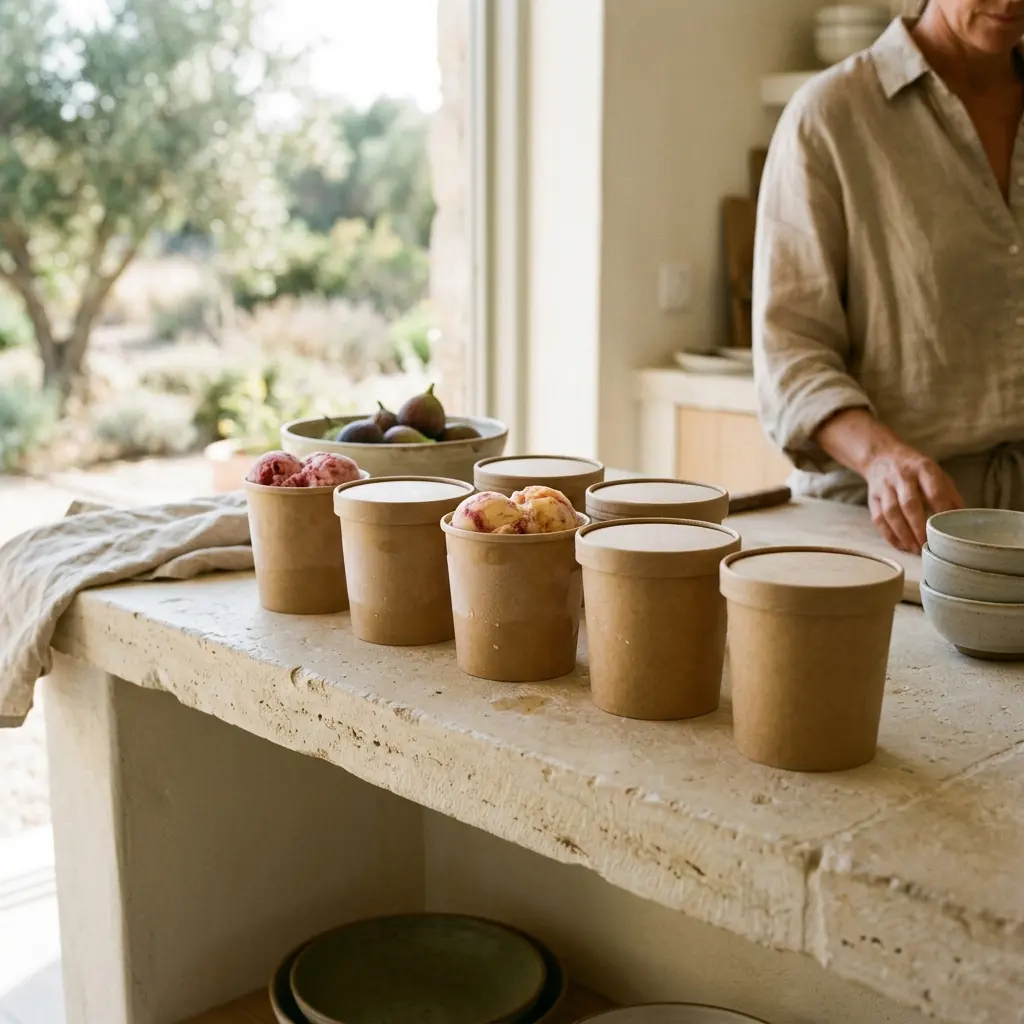
- Ninja CREAMi Pint Containers: How Many Do You Actually Need?: how many pints suit how you use the machine.
- Best Ninja CREAMi Accessories & Extra Pint Containers: which extras are worth having and which fit your model.
If you are here because you want to feel lighter and more energetic, the habits in our Exercise section are where most of our work lives. A daily walk with our free Japanese walking timer is a simple place to start.