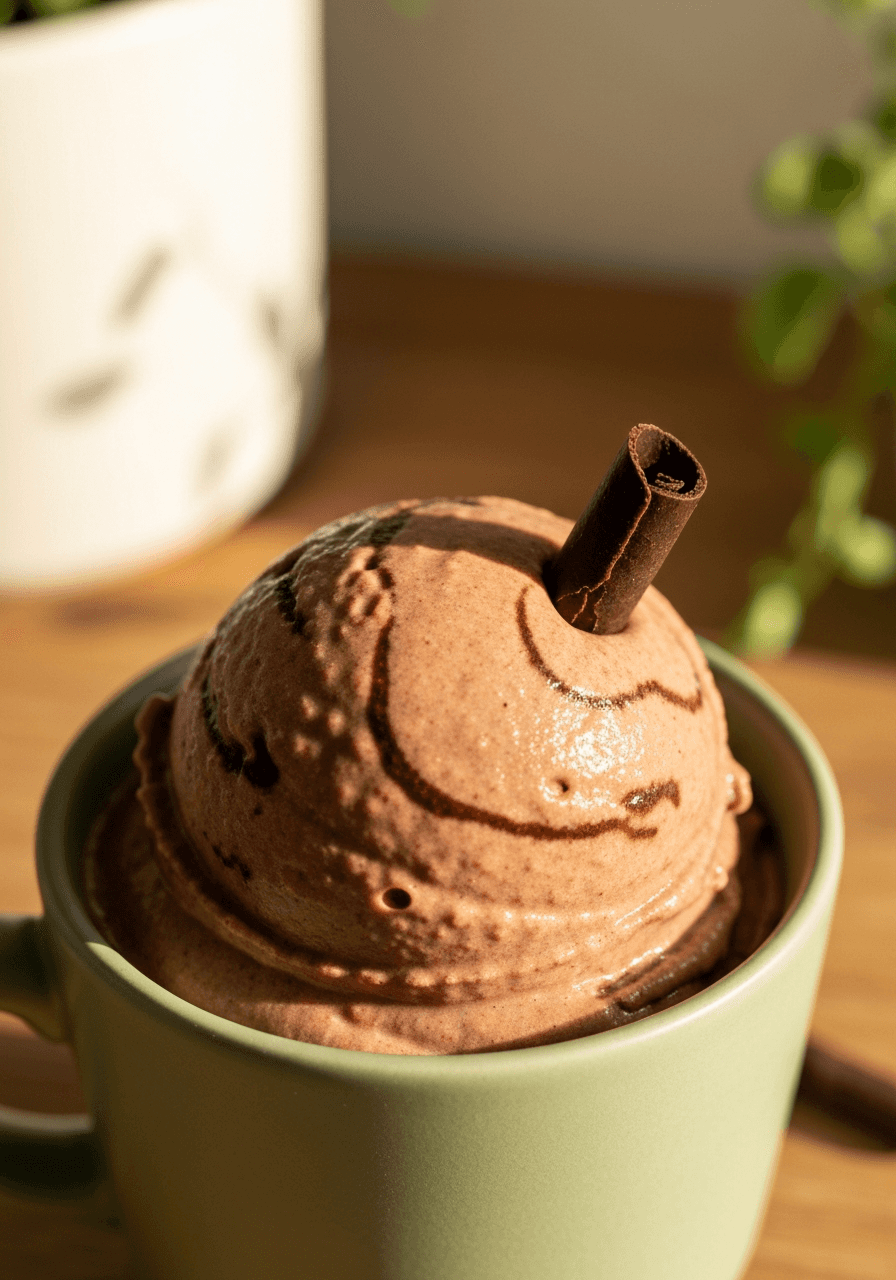
If your Ninja CREAMi comes out crumbly or icy, the most common reason is that your base is too lean or too watery — it needs a little more fat, sweetener, or liquid to spin into a smooth, scoopable texture. The quickest fix is to run the Re-spin function once (or twice), which almost always transforms a powdery, crumbly pint into creamy softness. Going forward, adding a splash of milk or a tablespoon of a fat source before freezing prevents the problem entirely.
That crumbly, snow-like texture is the single most searched-for CREAMi frustration — and the good news is it's almost never a broken machine. Below, we'll walk you through exactly why a Ninja CREAMi turns out crumbly or icy, how to rescue the batch you're staring at right now, and the small prep habits that guarantee smoother results tomorrow.
First, the Instant Rescue: Re-Spin
Before you toss anything, press Re-spin. This is the button most beginners forget exists, and it solves the majority of crumbly outcomes.
Here's why it works: the first spin shaves your rock-solid frozen pint into fine crumbles. That powdery stage is normal. A second (or even third) pass compresses those crumbles, incorporates a bit of air, and warms the base just enough to turn it silky.
If the texture is still dry after re-spinning, add 1 tablespoon of milk (dairy or plant-based) directly to the pint, then re-spin again. This tiny addition is often the difference between "sad snow" and "soft serve."

Why Your Ninja CREAMi Turns Out Crumbly
Crumbly usually points to a base that lacks enough fat or sugar to hold a creamy structure. Common culprits include:
- Too little fat. Fat is what makes ice cream feel rich and smooth. Very low-fat or fat-free bases tend to crumble.
- Not enough sweetener. Sugar and sugar alcohols lower the freezing point, keeping the base softer. A base with almost no sweetener freezes bone-hard and shatters into crumbles.
- Protein-heavy mixes. High-protein bases (especially with certain protein powders) can freeze dense and dry.
- Skipping the re-spin. As above — one spin is often just not enough.
A gentle reminder for the weight-loss crowd: ultra-lean bases are the most prone to crumbling. If you're building lighter treats, balance matters more than cutting every gram of fat.
Why Your Ninja CREAMi Turns Out Icy
Icy is the opposite problem: too much water and not enough of the ingredients that keep texture smooth.
- Water-based bases (like plain fruit and water) freeze into large ice crystals. This is why sorbet naturally leans icy.
- Watery add-ins like fresh juicy fruit release liquid that turns to ice.
- Uneven or slanted freezing. If your pint freezes on a tilted shelf, the surface isn't level and the blade can't spin evenly — leaving icy chunks.
- Not fully frozen. A base frozen for less than 24 hours often spins uneven and icy.
The Prep Habits That Prevent Both Problems
Most texture issues are decided before you ever hit spin. These simple habits make the biggest difference.
Freeze flat and level. Place your pint upright on a level freezer shelf for a full 24 hours. A tilted top is one of the sneakiest causes of icy results.
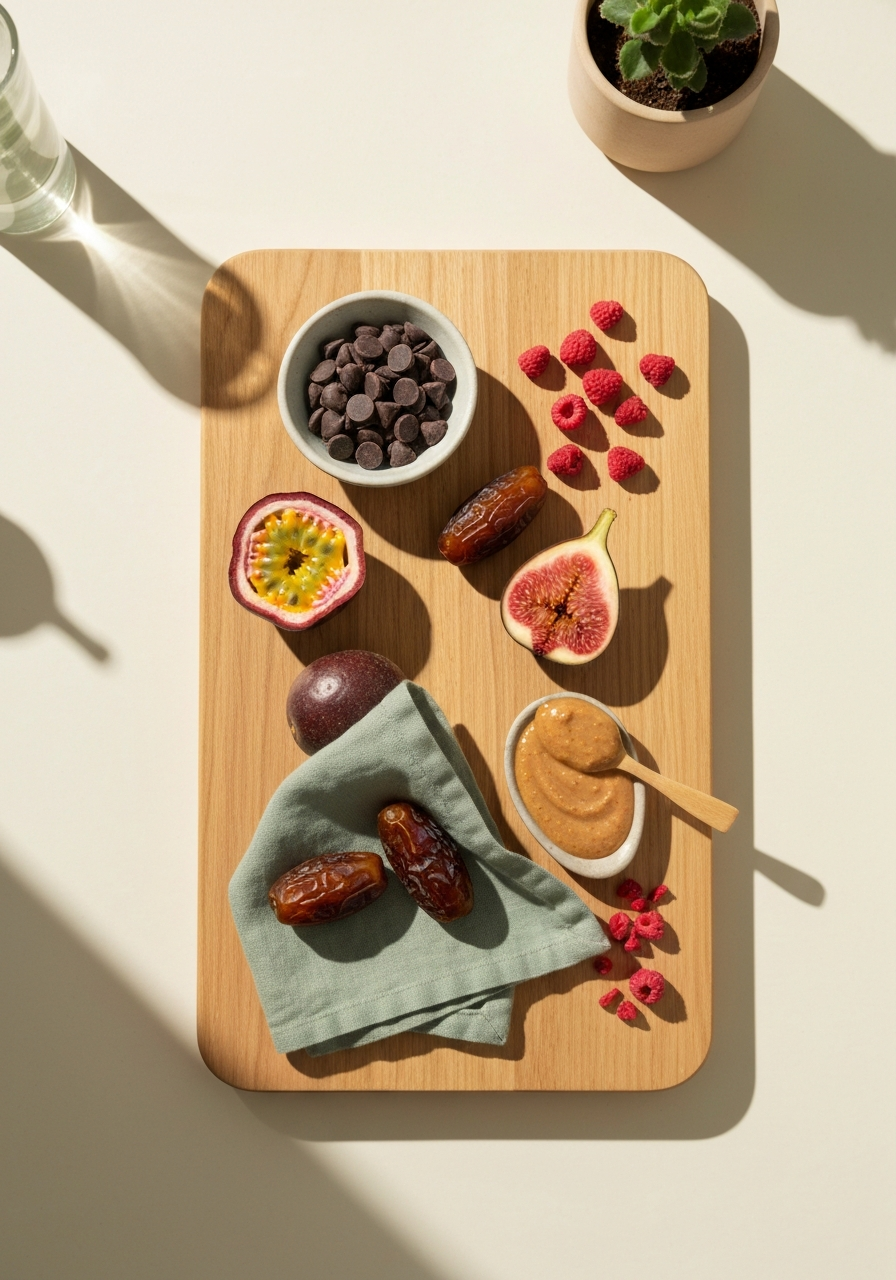
Balance fat, sweetener, and liquid. You don't need heavy cream — but a touch of fat (a spoon of nut butter, cream cheese, or full-fat yogurt) transforms texture.
Let it rest a few minutes. If your pint is straight from a very cold freezer, let it sit on the counter for 5–10 minutes before spinning so the blade can bite in evenly.
Quick Troubleshooting Table
| Symptom | Likely Cause | Fix |
|---|---|---|
| Crumbly / powdery | Not enough fat or sugar; only spun once | Re-spin; add 1 tbsp milk; increase fat or sweetener |
| Icy / large crystals | Too much water; watery fruit | Add fat/dairy; reduce added water; blend base smooth |
| Uneven texture | Pint frozen on a tilt | Freeze level for 24 hrs |
| Dense and dry | High-protein base | Add liquid; re-spin; choose a smoother protein powder |
| Won't spin smooth at all | Under-frozen (less than 24 hrs) | Freeze longer, then spin |
When It's Not the Base — It's the Technique
A few mechanical checks worth a glance:
- Fill to the max line, not over. Overfilling blocks even spinning and strains the motor.
- Seat the pint correctly in the outer bowl and lock the lid fully.
- Check for a warped or cracked pint. A misshapen container throws off the spin.
These small setup errors show up again and again, so it's worth double-checking each one before you assume something is wrong with the machine itself.
A Note on Healthier Bases
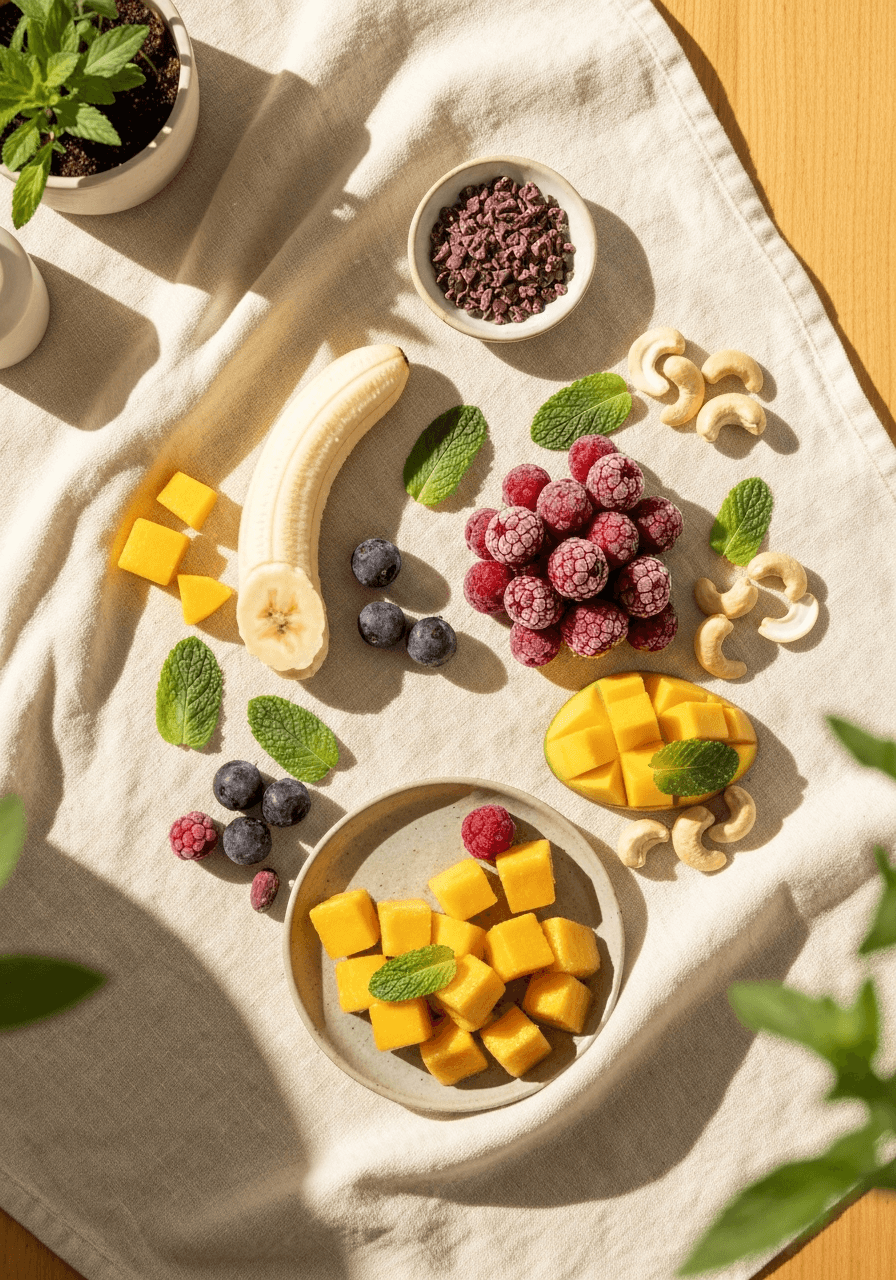
Many readers land on crumbly, icy results precisely because they're trying to make something virtuous — sugar-free, fat-free, high-protein. That's a wonderful goal, and the CREAMi absolutely supports it. The trick is small, smart adjustments: a spoon of Greek yogurt, a ripe banana for natural creaminess, or a bit of xanthan gum to hold texture.
If you're exploring whole-food eating more broadly, our Nutrition & Weightloss hub offers gentle, balanced guidance — always in partnership with your own healthcare provider for anything personal to you.
The Bottom Line
A crumbly or icy Ninja CREAMi is rarely a defective machine — it's almost always a base that needs a touch more fat, sweetener, or liquid, or a pint that wasn't frozen flat for a full 24 hours. Reach for the Re-spin button first; it rescues most batches on the spot. Then adjust your recipe slightly next time, freeze level, and you'll get that soft, creamy scoop you're after. With a little practice and the right balance, smooth results become your reliable norm — enjoy the treat you worked for.