The Superfood Revolution: 5 Ingredients That Will Make You Stronger, Leaner & Healthy
When you purchase through links on our site, we may earn an affiliate commission. Here’s how it works.
Table of Contents
What is a Superfood?
Within the context of nutrition and wellness, “superfood” is a word that has been more broadly utilized. Indeed, though kale, blueberries, and salmon get much of the superfoods limelight, a new wave of lesser-known (but equally potent) superfoods are coming of age — here to change the way we think about what it means to eat well. In this post, we are going to dive into the 5 unlikely ingredients that can completely change your health and help you utilize holistic wellness in ways that go beyond what simply eating right can offer.
Join us on a journey through the superfoods kingdom and see for yourself how these incredible plants may change your life and performance.
5 Extraordinary Green superfood
1. Moringa: The Miracle Tree
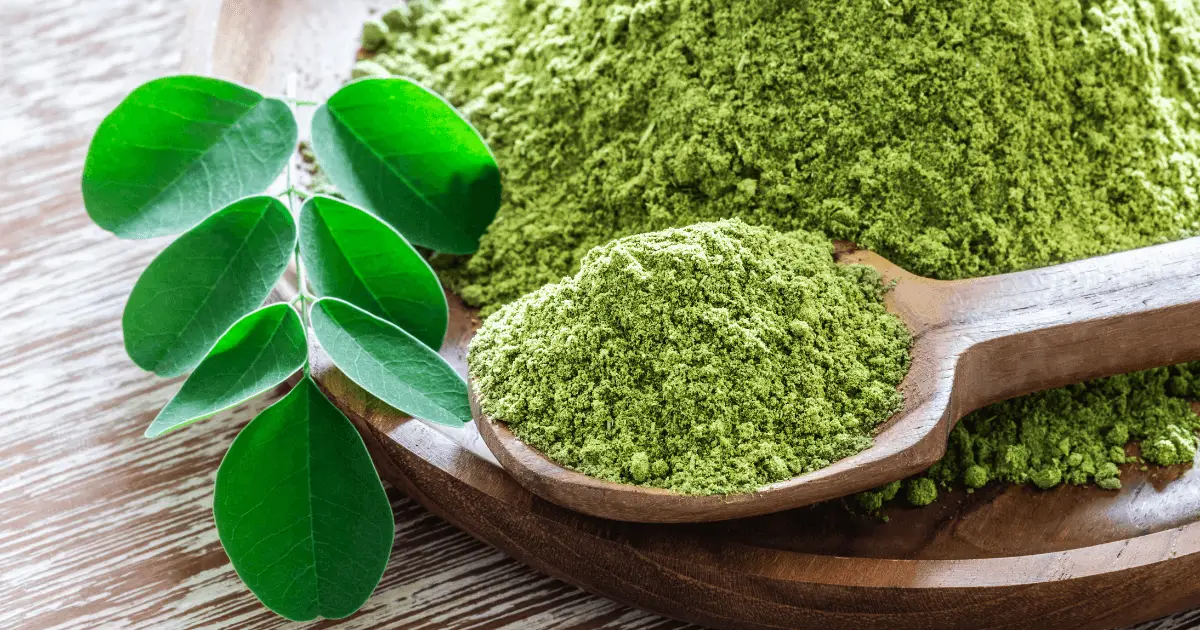
Moringa oleifera is a fast-growing, drought-resistant tree that hails from the foothills of the Himalayas, and has a long history as an ayurvedic medicine. Despite its humble origins, the moringa superfood packs a healthy punch and is one of the best superfoods around.
Nutritional Profile:
Moringa leaves are packed with vitamins and minerals, yielding seven times the vitamin C of oranges, four times the vitamin A of carrots, four times the calcium in milk, and three times the potassium content of bananas. What is also special about moringa is that it is the only plant protein containing all 9 essential amino acids – which is why this multipurpose superfood ingredient should be an important part of any diet if living a plant-based lifestyle.
Health Benefits:
Moringa is jam-packed with nutritional value making its health benefits very versatile as a result. Studies suggest moringa may have anti-inflammatory properties and may help support healthy blood sugar levels and cholesterol. Quercetin and chlorogenic acid, two antioxidants found in moringa, may help support the body's defenses against oxidative stress associated with chronic diseases.
How to use Moringa in your diet:
The great thing about Moringa is that there are so many ways to enjoy it daily. Its dried leaves can be ingested as a powder and can be used to mix with your smoothie, or soup, or sprinkle onto your bowl of salad. Another favorite is moringa tea which has a slight, earthy flavor. However, moringa capsules are available for those who would rather not drink tea. When it comes to cooking, moringa leaves may be substituted for within spinach stir-fries and curries, or else included in an omelet for reinforcements of nutrients.
Recommended Moringa Superfood Powder
Our Team’s Rating: 8.9/10
Our Test's Winner
2. Chaga Mushroom — The King Of All Medicinal Mushrooms
Nutritional Profile:
Chaga is one of the most nutrient-rich superfoods on our planet. It is extremely rich in antioxidants (especially melanin which makes it dark). It is also a rich source of B-complex vitamins, vitamin D, potassium, rubidium, cesium, and amino acids as well as minerals like iron, fiber, and enzymes. It is particularly rich in beta-glucans, the immune-boosting polysaccharides.
Health Benefits:
There are many health benefits of chaga. This high-antioxidant food may help combat oxidative stress and inflammation, which are associated with a wide range of chronic conditions. Research suggests chaga may help support healthy blood sugar levels, blood pressure, and may help ease inflammation associated with chronic conditions such as arthritis.
How to Include Chaga in Your Diet:
The most common method to ingest chaga is in the form of tea or as a coffee replacement. Usually, the mushroom is dried and then pulverized, and this powder can be steeped in hot water to make a thick, earthy drink. If you find the idea of going out foraging for chaga yourself a bit off-putting, you can also buy chaga supplements in capsule or tincture form. A few smart food companies are beginning to incorporate chaga into everything from chocolate bars to energy drinks as delicious new avenues through which to experience all it has to offer.
Our Team’s Rating: 8.8/10
Our Test's Winner
3. Sea Buckthorn- Super Berry Full of Nutrients
Sea buckthorn (Hippophae rhamnoides) is a bushy, hardy shrub native to mountainous and coastal areas of Europe and Asia. This fruit has been popular for centuries in native medicine, like Ayurveda and Traditional Chinese Medicine (TCM). Sea buckthorn is recently starting to gain recognition in the West for its impressive nutritional profile and health benefits.
Nutritional Profile:
Part of what makes sea buckthorn berries nutritionally dense is the fact that they are jam-packed with over 190 bioactive compounds. They are especially high in vitamins C, E, and K, as well as carotenoids like beta-carotene (pro-vitamin A) which is important for children’s health; flavonoids; and omega fatty acids. Sea buckthorn oil is of special interest, as it is one of the few plant sources that provides omegas 3, 6, 7, and 9. They are an excellent source of antioxidants, such as quercetin, kaempferol, and myricetin among others.
Health Benefits:
Various Nutrients and Antioxidants in sea buckthorn These nutrients can offer benefits for heart health, skin problems, inflammation, etc. Sea buckthorn contains high levels of Vitamin C—reportedly up to 12 times more than oranges—which may help support a healthy immune system. The antioxidant protection of vitamins C and E, enhanced by carotenoids, may help support the body's defenses against chronic disease and the visible signs of aging.
How to Add Sea Buckthorn To Your Diet
There are many ways to eat sea buckthorn. Although they are quite tart, the berries can be consumed fresh or used to make jams, jellies, and sauces. Sea buckthorn juice is still relatively new to mainstream markets, though availability is growing. The oil derived from berries or seeds can be consumed in capsule form or applied topically to the skin to promote well-being. Sea buckthorn teas are another approach to enjoying it, but it is a much milder option. Sea buckthorn is being made into yogurt, energy bars, and even ice cream by a small cadre of forward-thinking food producers.
Our Test's Recommendation
Our Team’s Rating: 8.5/10
4. Natto – The Superfood Fermented Soybean
The fermented soybean product natto, with a history that dates back hundreds of years in Japanese cuisine. Although its overwhelming flavor and gluey texture may be a little off-putting for some, its elusive nutritional value more than makes up for this, with moringa set to lead the way in 2018’s superfood charts.
Nutritional Profile:
Nutrient-dense natto- high protein, fiber, and a range of other vitamins and minerals One of its benefits is that it contains a lot of Vitamin K2, an important component for bone as well as cardiovascular health. Natto is also a good source of manganese, iron, copper, and magnesium. These minerals are enhanced during fermentation, and fermenting also produces nattokinase.
Health Benefits:
The health impact of natto is many and common to come by. One of its most important qualities is the abundance of Vitamin K2 which is invaluable for securing an effective calcium balance in our bodies. By helping to direct calcium to where it belongs—bones rather than arteries—K2 may help support bone density and cardiovascular health.
How to Work Natto into Your Diet
Although natto is typically eaten for breakfast in Japan and served over rice, there are quite a few ways to include it in Western diets. It can be tossed in salads, added on top of any toast or crackers, or mixed into a portion of pasta. If the texture of natto is an issue, consider blending it into a smoothie or using it as a base for dips. Natto is also sold as a supplement, which generally focuses on its nattokinase content for people looking to support their cardio health.
Our Team’s Rating: 8.8/10
Our Test's Winner
5. Tigernuts: Nature's Original Superfood II Remembered
Tigernuts, despite their name, are rather than nuts at all but small tubers of the Cyperus esculentus plant. Though they may look like small, dried, wrinkly tubers, these little guys have been eaten for thousands of years, with evidence they were used as a food source in ancient Egypt. TIGER NUT Due to its nutritional value and the benefits it has on your health, tiger nuts have managed to become fashionable again in recent years.
Nutritional Profile:
Tiger nuts are kernels of would-be energy, they offer good fiber content along with healthy fats, vitamins, and minerals. They contain resistant starch, which is a type of fiber that serves as a prebiotic food to the good bacteria residing in our gut. Similarly, tiger nuts are a good source of monounsaturated fats found in olive oil and have high levels of vitamins E & C, including essential minerals like phosphorus, potassium, and magnesium.
Health Benefits:
The nutrient profile of tiger nuts translates into a variety of potential health benefits. This is because they are high in fiber, especially resistant starch. This fiber may help support healthy bowel movements, reduce inflammation in the gut, and may help promote digestive wellness.
How to Eat TigerNuts
Various Forms Of Tigernuts are Raw and sweet, and they make a great snack. soaking them in advance makes them less of a crunch to chew. More recently, tiger nut flour has started to become a popular wheat-free answer in the kitchen. One of the most popular uses for Tigernuts is to make a delicious (and incredibly healthy) dairy alternative called Tigernut milk (also known as “horchata” in Spain).
Oil can be extracted from the tubers ( Tigernut oil ) and has a culinary use as in salad dressing or for cooking. These food companies have incorporated tiger nuts into their granola, bars, and even ice cream(Stream). If you would rather have small servings of tiger nut available than supplements, powder or capsules might be a better option.
Our Team’s Rating: 8.9/10
Our Test's Recommendation
Now that we’ve examined these five surprise superfoods — moringa, chaga mushroom, sea buckthorn, natto, and tiger nuts — the nutrition landscape appears to be wide open with potential. These ingredients each offer unique nutrients and potential health benefits such as boosting immunity, weight loss assistance, heart health improvement, and digestive well-being.
Using these superfoods in our diets helps to broaden the range of nutrients we consume and introduces recipes from centuries-old traditions practiced by cultures across the globe. Learn and read more about Nutrition Essentials: Building a Balanced Diet for 2024.
Serach and read articles and product reviews by category
[
Health & Wellness
](/health-and-wellness)[
Exercise
](/exercise)[
Healing & Spirituality
](/healing-and-spirituality)[
Nutrition & Weightloss
](/nutrition-and-weightloss)[
Meditation & relaxation
](/meditation-and-relaxation)[
Beauty
](/beauty)
Frequently Asked Questions
What are the best ways to add moringa to your daily diet?
Moringa powder may be stirred into smoothies, soups, or salads. Moringa tea is another popular option, and capsules are available for those who prefer a supplement form.
What makes chaga mushroom a notable superfood?
Chaga is rich in antioxidants, beta-glucans, and B-complex vitamins, and may help support immune function and reduce oxidative stress. It is most commonly enjoyed as a tea or coffee alternative.
Are tiger nuts actually nuts?
Despite the name, tiger nuts are small tubers from the Cyperus esculentus plant. They are naturally gluten-free, high in resistant starch, and may support gut health as a prebiotic food source.
Why is natto considered a superfood?
Natto is a fermented soybean food rich in Vitamin K2, protein, and the enzyme nattokinase, which may support bone density and cardiovascular wellness.