Chromotherapy and Meditation - Adding the Colour to a Calm Mind
When you purchase through links on our site, we may earn an affiliate commission. Here’s how it works.
Table of Contents
CHROMOTHERAPY MEETS MEDITATION In the constantly shifting world of wellness practices, an interesting harmony has arisen between two age-old therapies: chromotherapy and meditation. This coupling of color and meditative contemplation offers an intriguing way to may support a little inner calm and overall inner wellness. In our modern world, with its myriad of sources for stress and tension management, the need to explore effective ways of managing them has never been greater. Step into the realm of chromotherapy-enhanced meditation and start adding an extra layer to your mindfulness with color.
What is Color Therapy?
Chromotherapy is a therapeutic science that uses color to balance the physical, emotional, and spiritual levels of our being. It is used by some when meditating for a fully immersive experience, which may help support relaxation, sharpen focus, and complement the body's natural recovery processes.
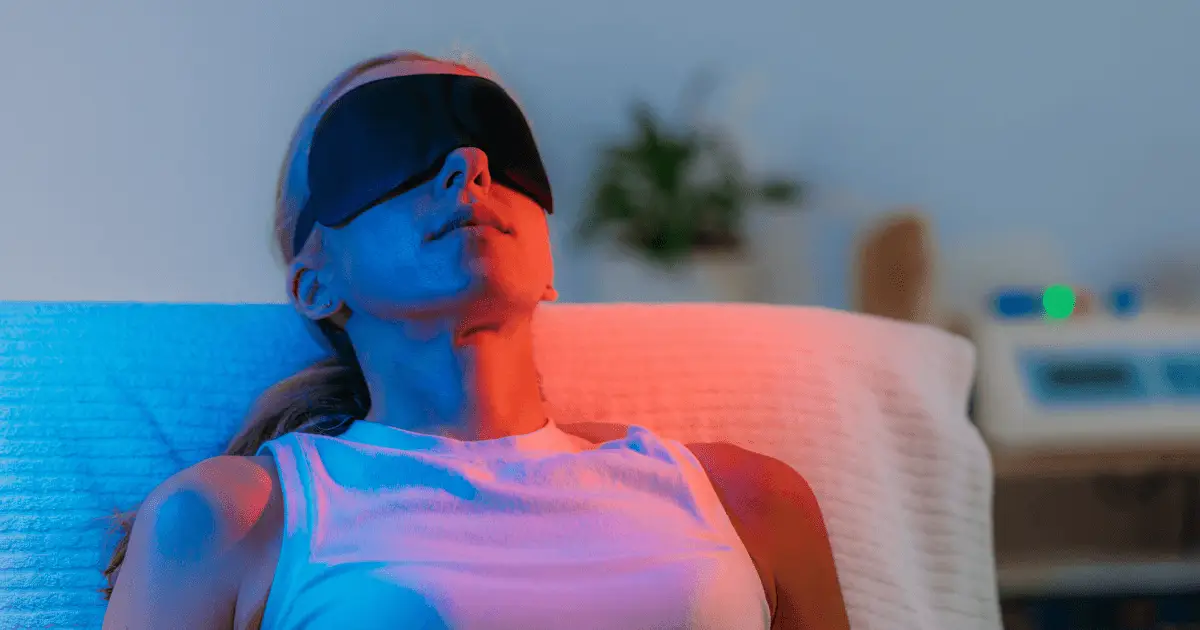
Using Color for Healing is not a new thing, it has been in practice within different cultures from time immemorial. For instance, Ancient Egyptians constructed solarium-type buildings (made of colored glass panes), believing that as sunlight passed through these different hues it may have bathed patients in supportive energies. The Greeks recognized the power of color as well, linking certain colors to each of the four elements and employing them in their healing temples.

The Science of Color: How it Does Influence the Mind and Body
To know the potential of chromotherapy in meditation, we must understand at least a bit about why and how this works on our bodies. At its core, color is light of varying wavelengths and frequencies. Through our eyes, exposure to light impacts more than vision, potentially enabling neurochemical responses that may influence mood states and cognitive functioning.
EFFECTS AND USAGE OF COLOR: THE SPECTRUM OF SERENITY
Some are said to have different colors in the visible spectrum and are considered to possess unique properties that can be used for specific advantageous reasons as part of meditation or the healing process. Some of the colors used in chromotherapy are listed below, along with what they tend to work for:
Blue: The Hue of Tranquility
Calmness, serenity, and clarity of thought are among the things most commonly associated with blue. It is thought to – among other things – may help calm both the body and mind, which makes it especially appealing when used for stress-related spiritual practices such as mindfulness meditation. The color blue is also thought to support communication and self-expression which might be beneficial in meditations involving emotional release or even creative visualization.
Green: Nature's Balancing Act
The color of nature, green is the most common color in the natural world and tends to promote balance, harmony, and renewal. It is a vibration often used in meditation to support feelings of spiritual development and connection with nature. As it relates to the heart chakra in many Eastern traditions, green is especially powerful when used for practices that aim toward blessing our hearts and minds (the way we treat ourselves), as well as those of others – or compassion.
Purple: The Path to Wisdom
Purple is often linked with spirituality and intuition, this makes it a good color for meditating when trying to become more self-aware or connecting with upper consciousness. It is theorized that it may support the pineal gland, which plays a role in our natural sleep-wake cycle and has long been associated with deeper intuitive experiences.
Yellow: The Fire of the Mind
Associated with mental stimulation, clear-headedness, and optimism, yellow may help support focus and concentration during meditation, making it a useful complement to mindfulness practices that invite you to stay present. Yellow is also associated with the solar plexus chakra, which pertains to personal empowerment and self-esteem.
Red: The Energizer
Red, however counterintuitive to relaxation that might be, seems not too infrequently in various meditative practices. Red is associated with vitality, strength, and grounding. It may be used in meditation to support energetic flow, especially when you are feeling sluggish or are seeking a stronger connection with your physical body. It is generally used in moderation or mixed with cooler colors to avoid over-stimulation.
Healing Color Therapy Meditation Step by step guide to Your Practice:
No special expertise or equipment is needed to explore chromotherapy — all you need is a few colors and a sense of how each hue may support your intentions. An extensive guide can be found here to get you up and running:
- Intention – Start by choosing and setting your intention as to what you want from meditation. Do you wish to relax, clear your mind, or attain emotional healing? You will know your color based on your intention.
- Think Of Your Color – Choose a color that corresponds with your goal. Blue for peace, green to stay calm, and yellow to increase productivity.
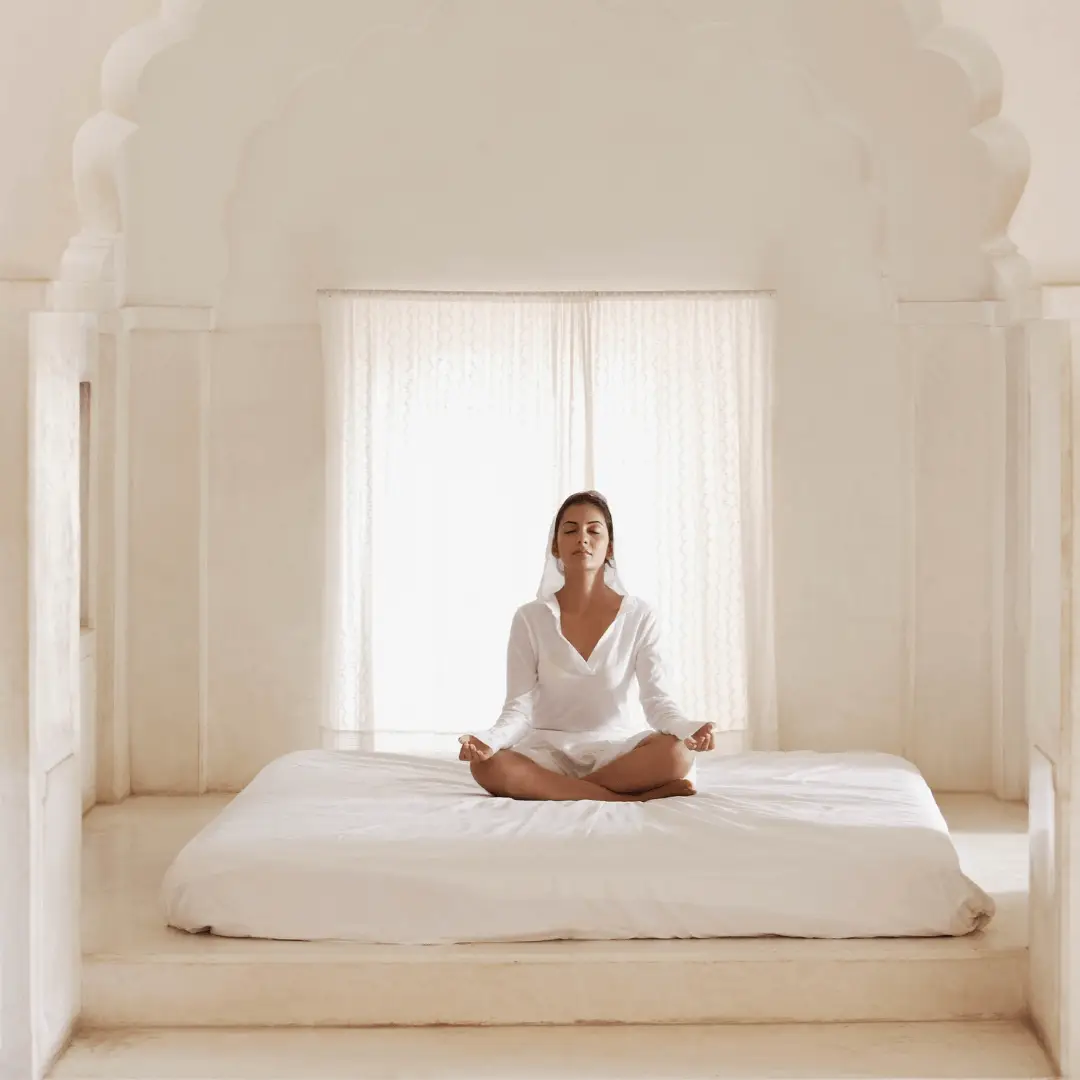
- Get Ready to Focus – Design a room that draws you in with this color Once you have decided which color aligns with your goals, Some ways to incorporate it include installing color LED lights, wearing clothing in that hue, or adding it as an accent color in your meditation space.
- It Begins with Breathing – Breathe long, full breaths to allow you an opening in your meditation. Think of breathing in the color you are focusing on as you inhale. Visualize tension and negativity leaving your body, as you exhale.
- Visualization – After you establish a nice rhythm with your breathing, start to visualize the color that you picked. Picture it as a fog or light that wraps you, or immerse yourself in such a color solution.
- Body Scan – Imagine the color flowing into every part of your body as you conduct a mental scan, and think about how each place feels with some of that particular quality or qualities (e.g., relaxation, energy, clarity).
- Affirmations Are Optional – If you desire, integrate affirm with the power and properties of your chosen color. So for blue, you would say over and over; “I am at peace.”
- Gradual Awakening – As you end your meditation, gradually come back in touch with the world. Pause, and observe yourself – is there any change in your energy/body/emotion?
Keep in mind, that for chromotherapy-assisted meditation to work, you need two main things: practice and presence.
Explore the fascinating world of hues and learn how to harness their power for deeper healing and enhanced well-being. Don’t miss out on the vibrant journey ahead!
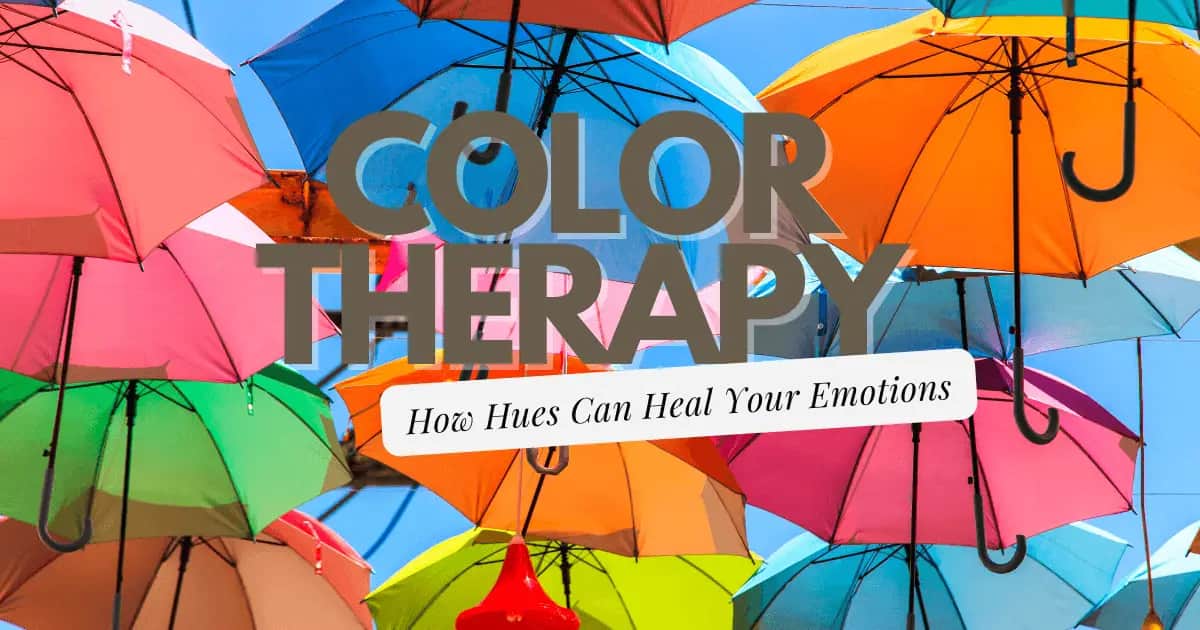
[Color Therapy: How Hues Can Heal Your Emotions](/color-therapy-how-hues-can-heal-your-emotions)
How To Create A Color-Optimized Meditation Chamber
By creating a space in your home to meditate, one in which you can enjoy the benefits of color-enhanced meditation practice. Below, we offer a few expert tips to create a chromotherapy-friendly meditation space at home:
- Select a Neutral Base Color: An easy choice for this room is going with white or light gray. This serves as a blank slate to change the lighting colors easily.
- Smart Lighting: Sounds expensive but is not that hard on your pocket, install smart LED bulbs that can change colors. They can allow you to rapidly change colors as needed for your meditation practice without altering the physical space around them.
- Use Natural Materials: Incorporate plants, crystals, and natural fabrics to bring a sense of harmony with nature into your space. Plants, with their natural greenery, are particularly well-suited for amplifying green color therapy sessions.
- Color-Changing Fountains: If you have some sight, color-changing water features- such as fountains using LED lights in the same palette – can give a mother visual representations and soothing ambient noise to take your meditation practice up a notch.
- Make Sure your Space has a Color Corner: It helps to block colors in areas of the room. You might have a “blue corner” with blue cushions and artwork for relaxation-based sessions, etc.
- Use Reflective Surfaces: Mirrors positioned in key locations can enhance the effect of colored lighting, providing a more immersive experience.
- Chromotherapy Tools: You may purchase things such as color therapy glasses or light boxes for a more focused exposure to colors.
- Layer Your Lighting: Integrate ambient, task, and accent lighting to create zones of different colors throughout your space.
- Layer Textures and Patterns: Incorporate fabrics with patterns or textures in your chosen meditation colors. Blending visual and tactile stimuli may help enrich your sensory experience.
- Designate A Tech-Free Zone: Keep your sanctuary away from the digital world. If you plan on using your smartphone to follow guided meditations or use color therapy apps, perhaps choose a blue light filter device.
Just be sure to make it your own space, as your meditation practice is as individual as you are. Play around with various items until you find what suits you best, and remember that your practice space will grow as the work comes.
Search and read articles and product reviews by category
[
Health & Wellness
](/health-and-wellness)[
Beauty
](/beauty)[
Meditation & relaxation
](/meditation-and-relaxation)[
Exercise
](/exercise)[
Nutrition & Weightloss
](/nutrition-and-weightloss)[
Healing & Spirituality
](/healing-and-spirituality)
Frequently Asked Questions
What is chromotherapy and how is it used in meditation?
Chromotherapy is a wellness practice that uses color to support balance on physical, emotional, and spiritual levels. When combined with meditation, specific colors are visualized or introduced into the environment to help deepen focus and relaxation.
Which colors are best for a calming meditation practice?
Blue is widely associated with tranquility and may help support a calm, focused mind during meditation. Green is linked to balance and renewal, making it a popular choice for heart-centered or nature-inspired practices.
Do I need special equipment to try color therapy meditation at home?
No special equipment is required — smart LED bulbs, colored fabrics, or simply visualizing a chosen color during breathwork can all be effective starting points for a chromotherapy-enhanced meditation session.
Is there science behind chromotherapy's effects on mood?
Color is light of varying wavelengths, and exposure to different hues may trigger neurochemical responses that could influence mood and cognitive function, though chromotherapy is considered a complementary wellness practice rather than a medical treatment.