Cultural Factors Influencing Ideal Beauty
When you purchase through links on our site, we may earn an affiliate commission. Here’s how it works.
Table of Contents
Beauty is one of the concepts that people in human life understand in a complex way. This term goes far beyond the framework of physical attractiveness and considers such categories as culture, history, and individuation. Let’s talk more about it:
Time's Tapestry: Tracing Beauty Ideals Throughout History
Getting to know more about beauty demands traveling through time, where the norms have changed as culture moves forward.
In ancient times, people recognized beauty through symmetry and proportion. People have believed that beauty reflects the idea that a divine order governs the world. Then, the standard changed to the elegant curves represented by the Greek sculptures.
As time moved forward, recognizing beauty turned into showcasing peaceful expressions of the Renaissance. This exalts as a reflection of higher truths.
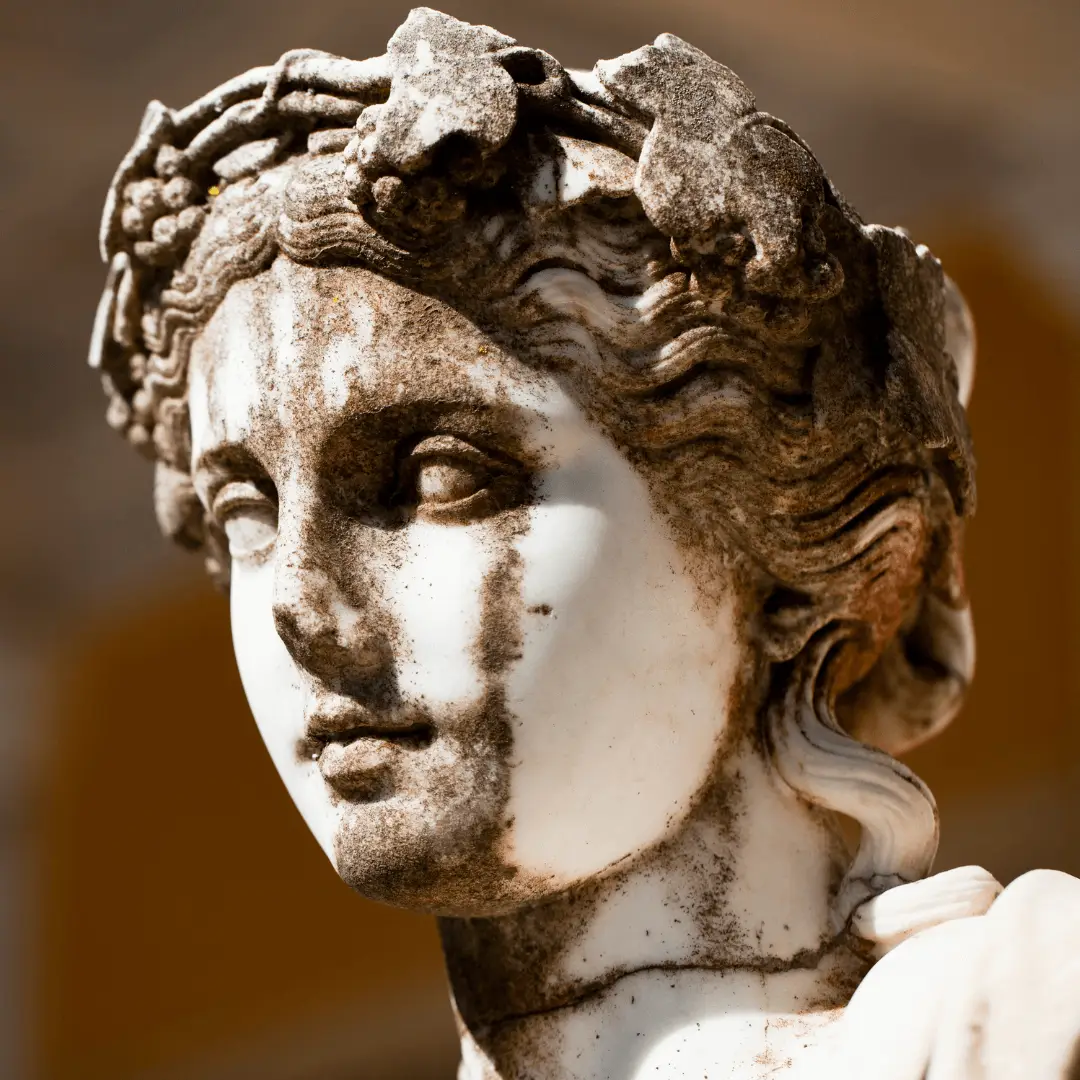
However, as time marched, so did the beauty ideals. During the Victorian time, modesty was the leading concept, pale skin, and corseted waists were the epitomes of womanhood. But when the 1920s hit, beauty had changed into a new form: lines of geometric figures radiating freedom and boldness.
With every time in history, people have viewed beauty as a result of the body and the time in which cultural identity is reflected and valued.
Exploring Ideal Beauty Around the World
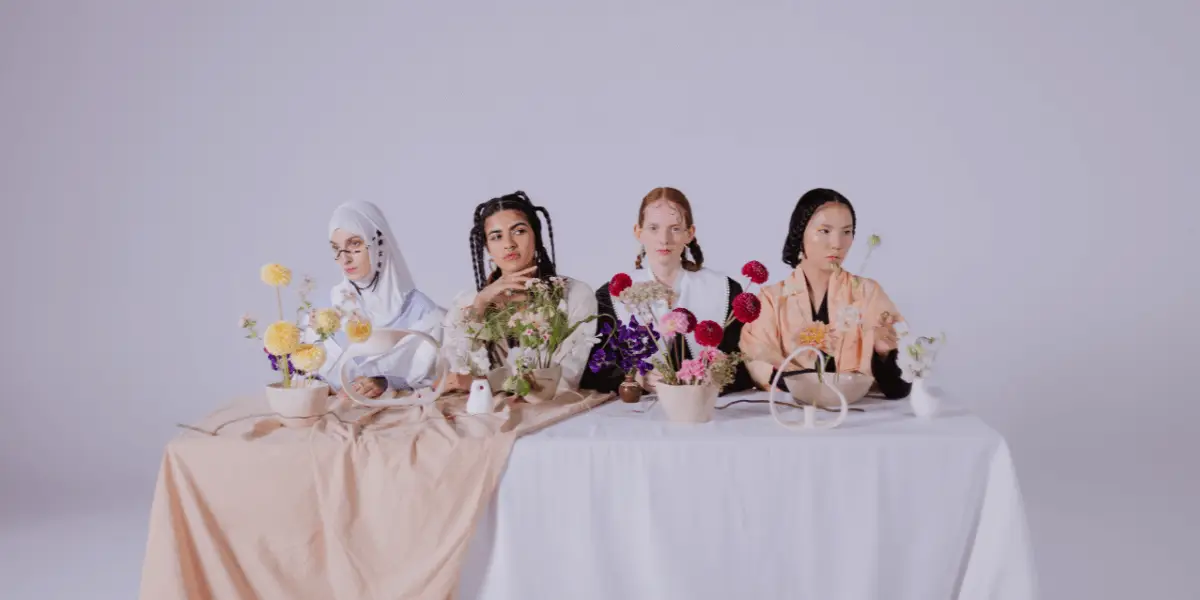
Beauty ideals that different timelines have embraced are not limited to the pages of history books. Different cultures have established their unique beauty ideals, such as in the United States, Korea, France, and other countries. Their distinct traditions, beliefs, values, and worldviews root those references.
Japan and its concept of “wabi-sabi” confidently celebrates imperfection to acknowledge beauty in the momentary nature of life.
There is also traditional Maori tattooing in New Zealand called “ta moko,” which imbues someone with a sense of identity and heritage. It is believed that this transforms the body as a canvas of their very own cultural expression.
India, however, embraces the art of henna painting, adorning hands and feet with exotic designs symbolizing joy and celebration. While the geishas present themselves with elegance, the women’s brightly colored sarees signify dynamism.
Beauty, thus, presents itself in different forms, each reflecting the complexity of the human experience.
Reflecting Beauty: How Does Ideal Beauty Influence Our Daily Lives?
Beauty is not just a product of our social norms, but also a power that influences our existence. Wherever we go and whatever we do, we remain conscious of what is aesthetically pleasing and desirable.
With the use of social media, beauty has become a goal that few can achieve naturally. Countless filters and editing tools that claim to produce perfection often emphasize feelings of self-doubt.
The influence of ideal beauty these days dominates every facet of our existence. This affects how we view ourselves and the world around us.
Such photographs produce a norm of perfection which we strive for daily. The result is uncertainty, in which we compare our worth to that of our peers.
The pressure to conform to these standards is harmful to consider our success and happiness. It affects our mental health, self-esteem, and overall well-being.
However, we must remember that the real meaning of beauty lies beyond the boundaries of everything physical. The light of a smile, the warmth of a hug, and the greatness of the soul all reflect it.
But beauty is much beyond a polished surface. It can be seen in the wrinkles around your eyes when you laugh, in your sincere smile, and in the strength that gets you through the toughest times. Let us appreciate the beauty we all have within us.
Unmasking the True Costs: A Deeper Look at Beauty Ideals
The appeal to beauty reveals a dark side. We spend hundreds of dollars on luxury skin care products and thousands on plastic surgery. All are restless pursuits of achieving modern beauty perfection.
In this pursuit, we lose sight of the essence of true beauty: the holistic value of kindness, empathy, and inner strength. People tend to focus on the external appearance, forgetting to look deeper than what is superficial.
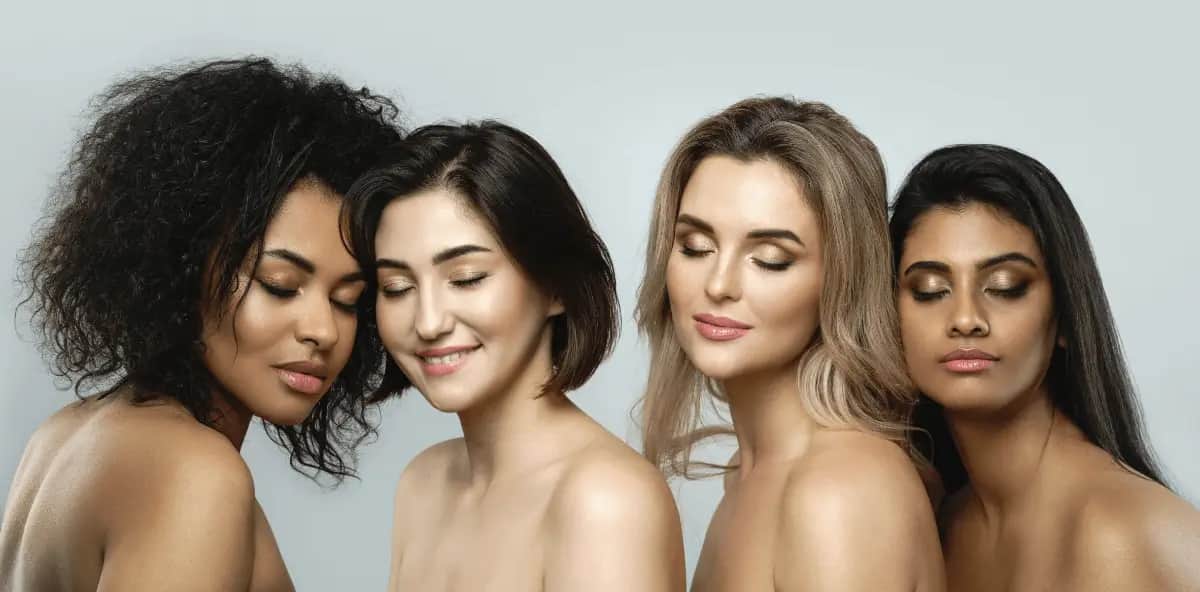
Let us remember, as we try to shed some light on the real costs of beauty ideals, that true beauty has no limits. True beauty knows no age, no race, and it goes beyond social expectations as a light that shines from deep within the soul.
Exploring Beauty Ideals Holistically
In a world where ideal feel like they are constantly changing, it is more important than ever to look at beauty ideals from a perspective of wellness. Let’s dive deeper than just our appearance and explore the complex concept of cultural influences and the effect of beauty ideals on our everyday lives.
Beyond the Surface of Beauty Ideals
While the facade of beauty can capture hearts, it is important to reveal the downside of it. Let’s look at the different ways we see things. We’ll talk about the how sacrifices and perfection with beauty affects us.
The Pressure to Conform
Living in a society that is preoccupied with outward appearances, the burden of meeting one’s standard of beauty could be overbearing. We start receiving messages at a young age claiming that beauty is equal to value, instilling the idea that beauty directly correlates to our worth.
As a result, the burden to conform to one’s belief system of beauty could yield particularly harmful consequences such as low self-esteem and high body dissatisfaction, potentially affecting mental health and healthy relationships with food. Here’s to know within ourselves if we are going towards the impossible-to-meet criteria and constantly finding ourselves inadequate.
The Illusion of Perfection
Media unites people with perfection, leading to a distortion of beauty standards. This creates doom for us as we perceive beauty features based on the commands of digital media. At the same time, young women go to extremes, twisting the beauty of ordinary appearance.
The Toll on Mental Health
But the cost of this never-ending chase goes beyond the physical and emotional state. Some research suggests that people who feel strong pressure to conform to cultural beauty standards may be more likely to experience stress, anxiety, low mood, or body image concerns.
The consequences of this pressure may include a range of stress-related challenges — from everyday anxiety to persistent self-doubt — that can weigh on overall well-being.
Embracing Authentic Beauty
Despite all the madness and pressure from societal norms, freedom for beauty ideals is possible. A truly changing process can help unlock the true potential of beauty. One must learn all these imperfections and understand what makes them unique. Beauty should not be something you acquire; instead, you need to unearth it within yourself.
We must rid ourselves of the guilt that society imposes and treat our bodies with respect.
Therefore, while uncovering beauty comes at a high price, it is essential to remember that true beauty always has no cost. It has no price as it transcends age and includes genuineness in every possible way.
Therefore, one must throw away the mask of perfection and show their true forms. Real beauty becomes visible with the boldness to be oneself.
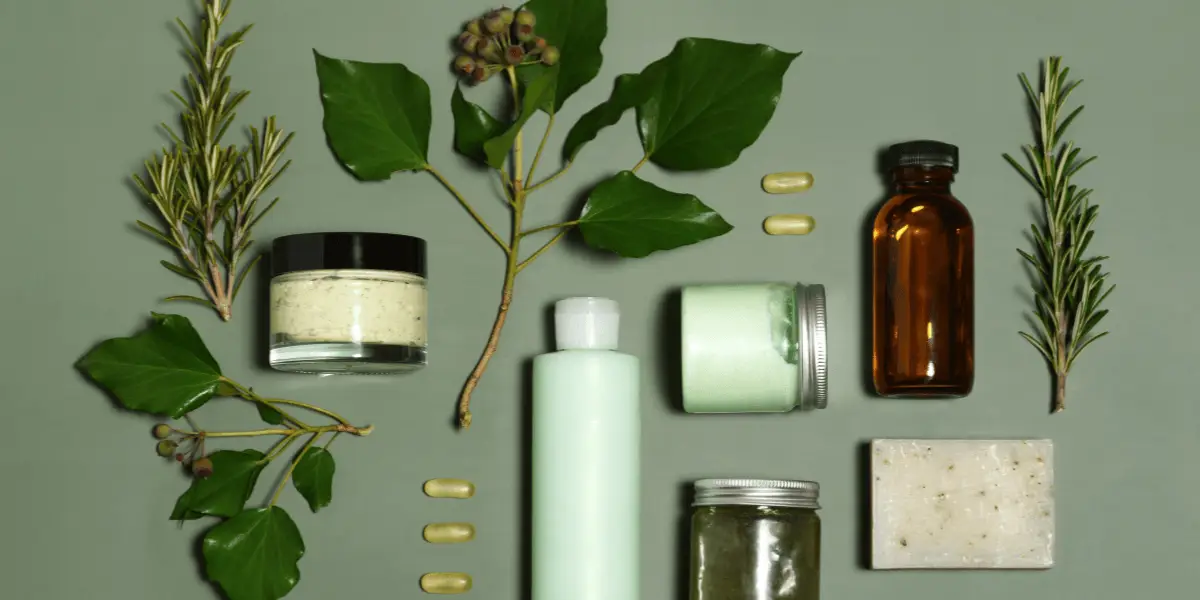
Step ahead of the game and start confidently building your beauty by correcting your posture, and explore how a holistic skincare approach and quality beauty sleep may support your natural glow. You might also enjoy discovering clean and green beauty products that align with your values.
Search and read articles and product reviews by category
[
Exercise
](/exercise)[
Nutrition & Weightloss
](/nutrition-and-weightloss)[
Healing & Spirituality
](/healing-and-spirituality)[
Meditation & relaxation
](/meditation-and-relaxation)[
Beauty
](/beauty)[
Health & Wellness
](/health-and-wellness)
Frequently Asked Questions
How do cultural factors influence beauty ideals?
Cultural factors such as tradition, religion, history, and shared values shape what a society considers beautiful. These standards vary widely — from Japan's wabi-sabi embrace of imperfection to India's vibrant henna artistry — and shift over time as cultures evolve.
How do modern beauty standards affect mental health?
Research suggests that pressure to conform to narrow beauty ideals may be associated with lower self-esteem, body dissatisfaction, and heightened stress or anxiety. Practicing self-compassion and focusing on inner strengths may help support overall well-being.
What is authentic beauty and how can you embrace it?
Authentic beauty refers to the qualities — kindness, empathy, confidence, and inner strength — that radiate from within. Embracing it means releasing the pressure of external perfection and appreciating what makes you uniquely yourself.
Have beauty ideals always been the same throughout history?
Not at all. Beauty ideals have shifted dramatically across eras — from ancient notions of divine symmetry, to Renaissance ideals of grace, to the corseted silhouettes of the Victorian period, to the bold geometric freedom of the 1920s.