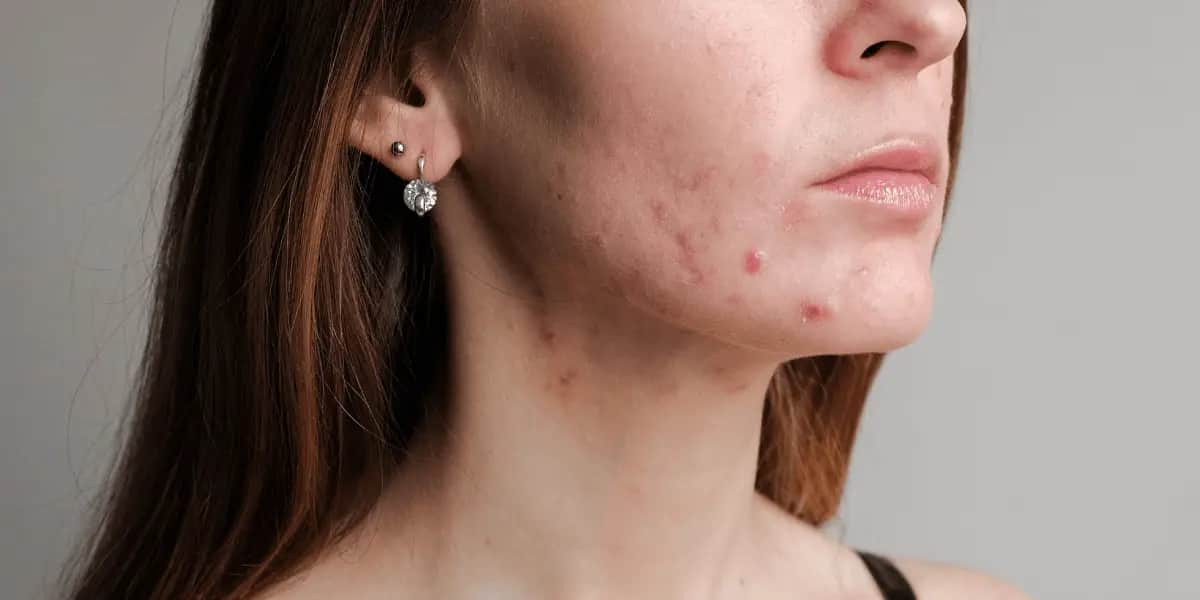
Hormonal acne is primarily caused by fluctuations in hormone levels, particularly androgens like testosterone. These hormonal changes may lead to increased sebum production, clogged pores, and inflammation, resulting in those pesky pimples that seem to pop up at the worst possible times.
Unlike regular acne, hormonal breakouts tend to occur in specific areas of the face, such as the chin, jawline, and lower cheeks. They often appear as deep, painful cysts rather than surface-level whiteheads or blackheads.
Treatment Options for Hormonal Acne
1. Topical Treatments
Over-the-counter and prescription topical treatments can be effective in managing hormonal acne. Some popular options include:
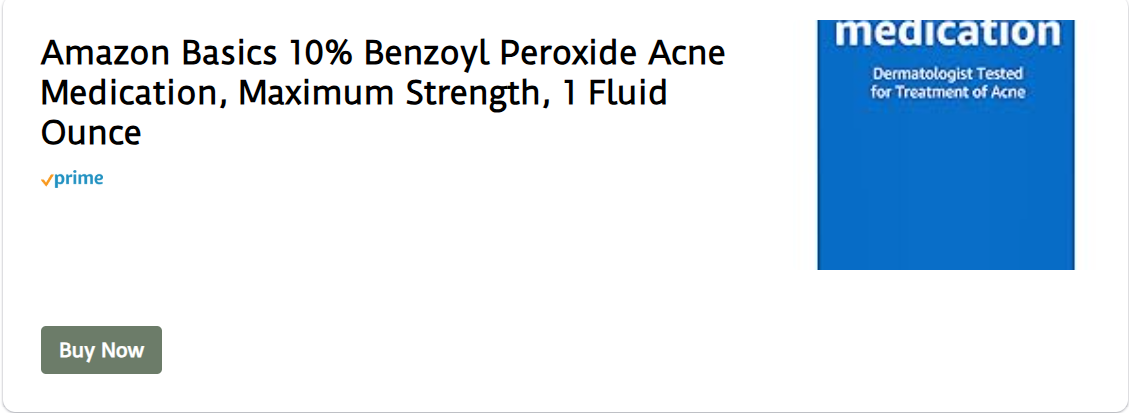
- Benzoyl peroxide: May help reduce acne-causing bacteria and support the reduction of inflammation.
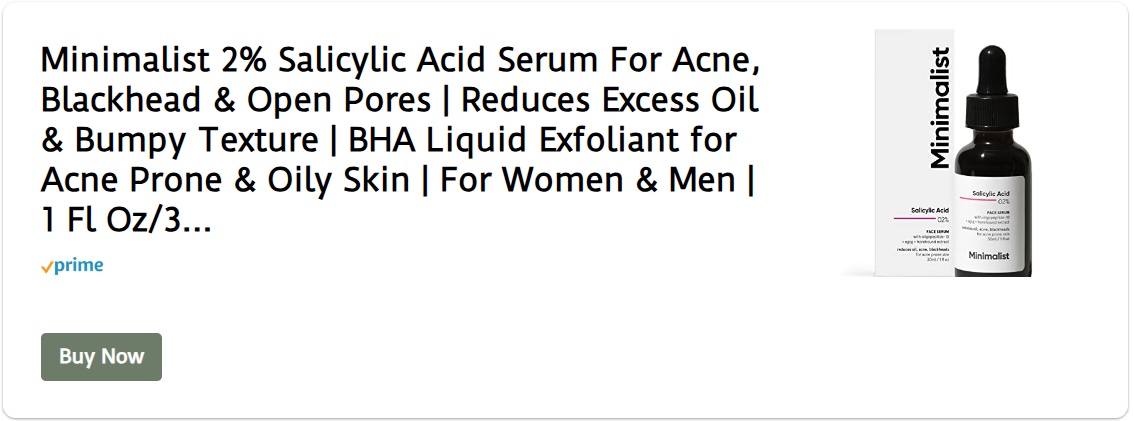
- Salicylic acid: May help exfoliate the skin and support clearer pores.
When using topical treatments, it’s essential to be patient and consistent. Results may take several weeks to become noticeable, so don’t give up too quickly!
2. Oral Medications
For more severe cases of hormonal acne, oral medications may be necessary. These can include:
- Birth control pills: May help support hormone level regulation and reduce acne in some women.
- Spironolactone: An anti-androgen medication that may be effective for some cases of hormonal acne.
- Antibiotics: May be prescribed for short-term use to help reduce inflammation and bacteria.
It’s important to consult with a dermatologist or healthcare provider before starting any oral medications, as they may have side effects and are not suitable for everyone.
3. Natural Remedies
For those who prefer a more natural approach, there are several remedies that may help manage hormonal acne:
- Tea tree oil: Has antimicrobial properties that may help fight acne-causing bacteria.
- Aloe vera: May help soothe inflammation and support the skin's natural healing process.
While natural remedies can be helpful, it’s important to remember that they may not be as potent as prescription treatments and may take longer to show results.
UpNature Organic Tea Tree OilSeven Minerals Organic Aloe Vera Gel from freshly cut 100% Pure Aloe
Lifestyle Changes to Combat Hormonal Acne
1. Diet
While the link between diet and acne is still debated, some studies suggest that certain foods may contribute to hormonal imbalances and inflammation in some people. Consider reducing your intake of:
- Dairy products
- High-glycemic foods (e.g., white bread, sugary snacks)
- Processed foods
Instead, focus on incorporating more whole foods, fruits, vegetables, and omega-3 fatty acids into your diet.
2. Stress Management
Stress may affect your hormones, potentially exacerbating acne. Incorporate stress-reducing activities into your daily routine, such as:
- Meditation or mindfulness practices
- Regular exercise
- Adequate sleep (aim for 7–9 hours per night)
- Hobbies or activities you enjoy
3. Skincare Routine
Developing a consistent skincare routine is an important part of supporting skin health when managing hormonal acne. Here are some tips:
- Cleanse your face twice daily with a gentle, non-comedogenic cleanser
- Use non-comedogenic moisturizers and sunscreens
- Avoid touching your face throughout the day
- Change your pillowcase regularly
- Remove makeup before bed
The Rise of Hormonal Acne Treatments
In recent years, there has been a surge in products and treatments specifically targeting hormonal acne. Some trending options include:
- LED light therapy devices for at-home use
- Pimple patches infused with acne-fighting ingredients
- Personalized skincare subscription services
- Probiotic skincare products
While these trendy options can be enticing, it’s important to approach them with caution and consult with a dermatologist before trying any new treatments.
The Road to Clear Skin
Overcoming hormonal acne is often a journey that requires patience, persistence, and a willingness to experiment with different treatments. What works for one person may not work for another, so don’t be discouraged if you don’t see immediate results.
- Be consistent with your chosen treatments
- Give new treatments at least 6-8 weeks to show results
- Keep a skincare diary to track progress and identify triggers
- Consult with a dermatologist for personalized advice
- Be kind to yourself throughout the process
With the right combination of treatments, lifestyle changes, and self-care, it’s possible to manage hormonal acne effectively and achieve clearer, healthier-looking skin. Stay positive, stay informed, and remember that your worth is not determined by the state of your skin.
Frequently Asked Questions
What causes hormonal acne in women?
Hormonal acne is primarily linked to fluctuations in androgen levels, such as testosterone, which may increase sebum production and clog pores. It commonly appears along the chin, jawline, and lower cheeks as deep, painful cysts.
Can diet affect hormonal acne?
Some research suggests that high-glycemic foods, dairy, and processed foods may contribute to hormonal imbalances and inflammation that could worsen breakouts. Focusing on whole foods, vegetables, and omega-3 fatty acids may help support clearer skin.
How long does it take for hormonal acne treatments to work?
Most topical and natural treatments may take at least 6–8 weeks to show noticeable results. Consistency is key — keeping a skincare diary can help you track progress and identify potential triggers.
Are there natural remedies that may help with hormonal acne?
Tea tree oil and aloe vera are popular natural options — tea tree oil may help fight acne-causing bacteria, while aloe vera may help soothe inflammation. Results can vary, and natural remedies may take longer to work than prescription treatments.
Conclusion
Hormonal acne can be a challenging and persistent skin condition, but with the right approach, it may be more manageable. By understanding the causes, exploring various treatment options, and making lifestyle changes, you can take control of your skin health and boost your confidence. Remember that everyone’s skin is unique, so what works for others may not work for you. Be patient, stay consistent, and don’t hesitate to seek professional help when needed. Clear skin is possible, and you’re well on your way to achieving it!