Sound Bath and Vibrational Healing in Meditation
When you purchase through links on our site, we may earn an affiliate commission. Here’s how it works.
Table of Contents
Sound baths and vibrational healing — ancient practices of using sound waves to enhance meditation experiences and may support an overall sense of balance — are moving away from the outer fringes of alternative wellness into mainstream uses. In this deep dive, we will explore the seductive realm of sound therapy — uncovering what makes it work scientifically and illuminating ways that you can incorporate these powerful tools into your mediation practice every day.
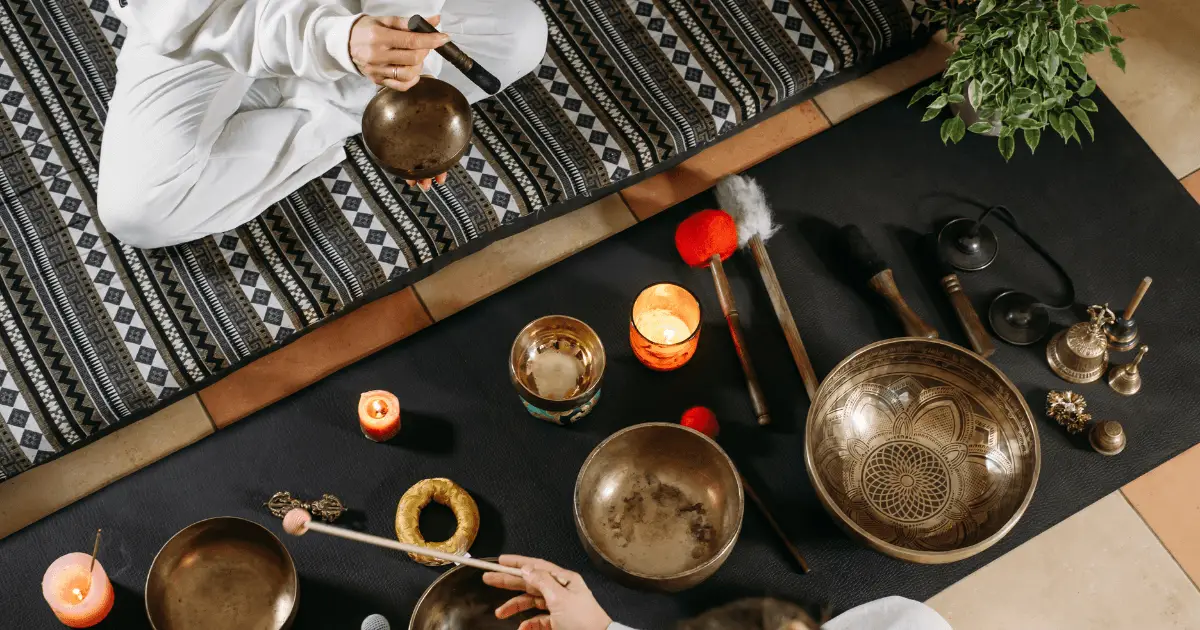
Sound therapy has been around for thousands of years, as the roots can be found in ancient civilizations. The ancients knew this and used sound, from chanting in Vedic traditions to the shamanic drumming of indigenous cultures. Worse, in this modern world with all of its pressures, there is a renaissance! We have gone full circle back to the old traditions except that we now have a growing body of research exploring how they may support well-being.
What is a Sound Bath Meditation?
Sound therapy works because of a concept called entrainment, discovered in 1665 by Dutch physicist Christiaan Huygens. Entrainment describes the natural resonance between vibrating objects, whereby a rhythmically dominant object may encourage similar vibrations in nearby objects. For sound baths, this means that our brainwaves sync with the frequencies emanating from the instruments.
Researchers study how different brainwave states may relate to varying levels of relaxation and cognitive functioning.
Benefits of Sound Bath Meditation
The potential benefits of sound baths and vibrational healing extend far beyond simple relaxation. Practitioners and researchers alike have noted a wide range of positive effects on mental and emotional well-being. One of the most commonly reported benefits is a meaningful reduction in stress and anxiety.
Curious about Sound Bath Meditation? Discover more about its potential benefits and how it may enhance your well-being in our detailed article:
Sonic Serenity: Sound Bath Meditation for Empowerment, Vibrational, and Healing
How Sound Healing Can Be Part of Meditation Practice
Adding sound healing to your regular meditation practice may deepen the experience and amplify its benefits. Here are some practical tips on how you can weave sound into your daily routine.
- Listen to Recorded Sound Baths: Plenty of sound baths are available on apps and YouTube. Start by using them as a gentle background for your usual meditation practice to get a feel for the experience.
- Play Around with Sounds: Experiment with different types of sound therapies like binaural beats, nature sounds, or specific frequency tracks (in 432 Hz Or 528 hz) and see what is most resonant to you.
- Gather Your Tools: Consider picking up a small singing bowl or tuning fork to use at the start of your meditations.
- Participate in Live Sound Baths: As you grow more comfortable with sound baths, seek out local group events to attend. The collective experience can be particularly powerful and gives you a sense of how these sessions are structured.
- Practice Mindful Listening: Pay attention to the sounds around you and weave this awareness into your meditation — just as the breath anchors attention in mindfulness practice, sound can serve as a gentle, grounding focal point.
- Pair with Visualization: As you listen, envision the vibrations moving gently through your body, releasing tension and inviting a sense of openness and ease.
- Vocalization: Try humming, toning, or chanting as part of your practice. These techniques may help you tune in to the resonant vibrations within your own body.
Is sound therapy something that has piqued your curiosity? Try these steps to get started on the journey.
- Take small steps: Start with short, guided sound meditations available on popular meditation apps or YouTube.
- Experiment: Notice the various sounds and instruments that appeal to you individually.
- Stick with it: Meditation takes time and consistency. Even a brief session each day can build momentum over time.
- Write a journal: Try to write your experience and if felt any changes in mood, sleep, or well-being.
- Find a community: You can either attend local sound bath events or join online communities to help you connect with others, share experiences, and learn.
- Learn more: read books, and take classes or courses online on the science and philosophy of sound healing.
- Trust the process: Sound therapy is subtle and cumulative. Keep an open mind and be patient — meaningful shifts often unfold gradually.
May sound be your guide on this journey of sonic discovery. The power of these practices lies not only in the frequencies themselves, but in what they may invite within — a deeper connection to your own inner landscape. Opening to the potential of sound healing is an invitation to reconnect with yourself more fully, and that connection may bring a greater sense of peace and clarity to your everyday life.
Serach and read articles and product reviews by category
[
Meditation & relaxation
](/meditation-and-relaxation)[
Nutrition & Weightloss
](/nutrition-and-weightloss)[
Healing & Spirituality
](/healing-and-spirituality)[
Health & Wellness
](/health-and-wellness)[
Exercise
](/exercise)[
Beauty
](/beauty)
Frequently Asked Questions
What is a sound bath meditation?
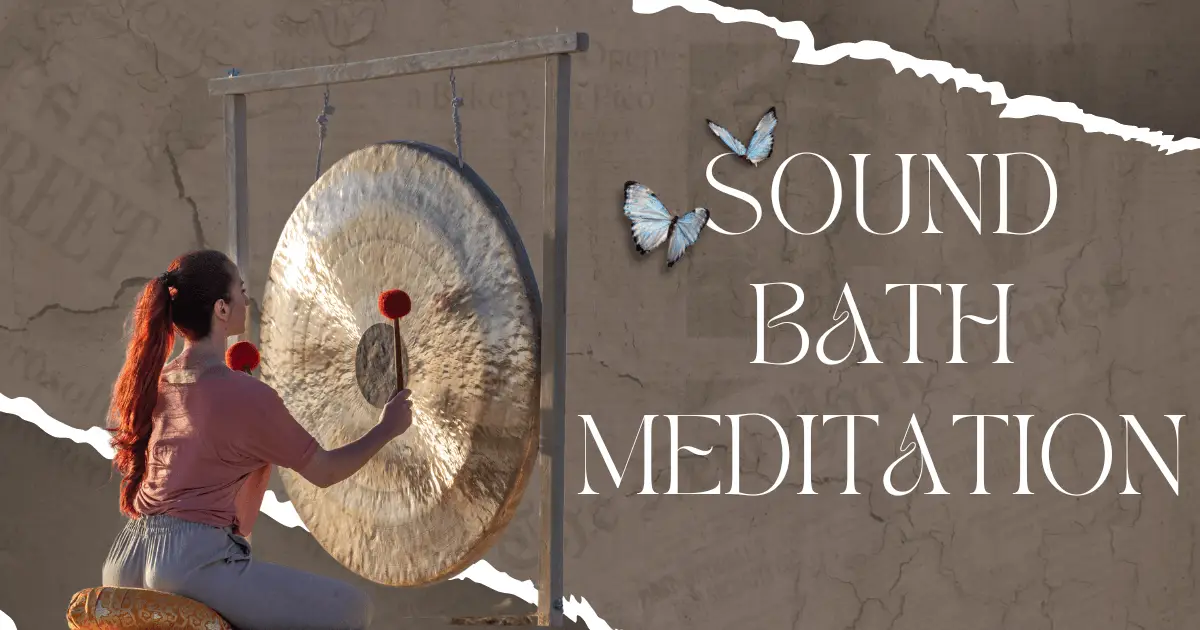
A sound bath is a meditative experience in which participants are immersed in sound waves produced by instruments such as singing bowls, gongs, or tuning forks. The sounds may support a relaxed, meditative state by encouraging the brain to sync with the frequencies being played — a process known as entrainment.
What are the potential benefits of sound bath meditation?
Practitioners report a wide range of possible benefits, including reduced stress and anxiety, deeper relaxation, and improved emotional well-being. Research is ongoing, and results can vary from person to person.
How do I add sound healing to my meditation practice?
You can start small by listening to recorded sound baths as background for your usual meditation, experimenting with binaural beats or specific frequency tracks, or attending a local group sound bath event. Even humming or chanting can help you experience vibrational resonance in your own body.
Do I need special equipment to try sound healing at home?
Not at all — free and low-cost sound baths are widely available on YouTube and meditation apps. If you'd like to deepen your practice, a small singing bowl or tuning fork can be a helpful and affordable starting point.