DIY Beauty Hacks: 7 Kitchen Ingredients for Glowing Skin
When you purchase through links on our site, we may earn an affiliate commission. Here’s how it works.
Table of Contents
One of the latest trends in the ever-changing beauty industry is holistic and natural skincare. Many consumers are turning to their kitchens for beauty remedies as they become more aware of what they put on their skin. The clean beauty trend reflects a broader movement towards smarter ingredient sourcing, more than just the avoidance of harsh chemicals. In this post, we will discover seven such everyday kitchen ingredients that can also be beautiful skincare assets, bridging the gap between the realms of culinary arts and beauty.
The Rise of Natural Beauty Hacks
Never have we seen so many buzzy key ingredient starring ethos, frilly pink packaging and affirming claims surrounding the magic of one-go products for this more-is-more skincare culture than now but Holistic Beauty is more than a buzzword or product strategy tag line…it’s an approach to skin health that looks a little beyond simply using face cream by views ‘beauty’ as not just physical appearance – but also mind-body-soul wellness. It understands that real beauty comes from within, and is directly related to how we feel overall. Holistic beauty practices leave the skin nourished and help the body find balance and harmony through natural ingredients.
Why Kitchen Beauty Hacks Work
Kitchen beauty hacks appeal because of the control they give you over what you apply to your skin. They come from natural sources and are often rich in antioxidants, vitamins, and minerals — without the preservatives or synthetic compounds found in many commercial products. And better yet, making your own skincare can be a deeply mindful and rewarding practice:
1. Honey: Nature's Golden Elixir
Honey, on its part, has been considered a source of healing and cosmetic properties throughout the centuries. You can probably imagine, that this sweet sticky substance is packed with nutrients and natural antibacterial properties, making it an awesome addition to your skin care regimen.
Benefits for Skin:
How it works: A natural humectant, attracting moisture from the air better known to be absorbed by the skin.
May help with acne-causing bacteria thanks to its antibacterial properties
High in antioxidants, which may help protect against environmental damage to the skin
Natural enzymes promoting gentle exfoliation
How to Use:
It is used as a mask on the skin or can be combined with other ingredients for added benefits. Honey Raw honey can be used for a quick and easy wash method — just massage it onto damp skin, wait a few minutes, and rinse well with warm water.
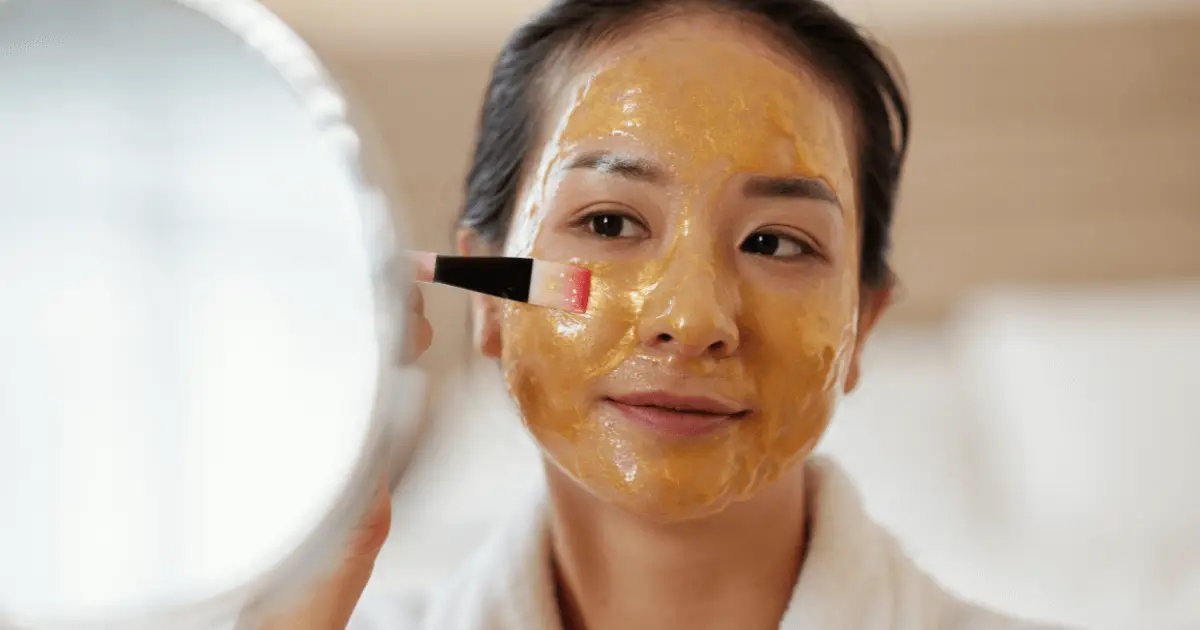
Do-It-Yourself Recipe: Honey and Cinnamon Face Mask
Combine 2 tablespoons of raw honey with 1 tsp of ground cinnamon. Cleanse your skin and leave it on for 10 to 15 minutes wash it off. This mask mixes hydrating honey with circulation-boosting cinnamon for a glowing complexion.
2. Avocado: The Skin's Superfood
Not just for toast and Guacamole, avocados are practically a spa experience for the skin. Rich in healthy fats, B vitamins, and minerals, avocados are deeply nourishing and hydrating
Benefits for Skin:
High in Vitamin A, D, and E for skin repair and protection
Rich in oleic acid, delivers deep hydration
Rich in lutein, which may support skin elasticity.
Contains compounds that may offer some antioxidant protection against environmental stressors.
How to Use:
To make a hydrating mask, take a ripe avocado and mash it then apply it over your face. Mix with honey or natural yogurt for extra benefits. Use it as a facial oil by itself, or add some to your regular facial moisturizer.
Avocado and Oatmeal Face Mask (DIY)
Mix half of a ripe avocado with 1/4 c. cooked oatmeal, and 1 Tbsp. Honey. Stir well and clean the skin. keep this for 15-20 minutes and then wash it off. A deeply hydrating and light exfoliating mask works to soften your skin.
3. Lemon: a Citrus Great Lightener
It turns out that lemons are a great skincare ingredient, in addition to just providing zest to your dishes. Due to their vitamin C and natural acid content, lemons are great at brightening skin complexion as well as pore-minimizing effects.
Benefits for Skin:
It is a rich source of vitamin C, which may support collagen production.
May help minimize the appearance of pores as a natural astringent.
Acts as a gentle exfoliant thanks to its natural citric acid content
With antibacterial tendencies, this may also help with acne.
How to Use:
However, you must be careful when using lemon on the skin as it is acidic. When using lemon juice on the skin, always dilute it first and avoid sun exposure in the hours following its use. You just need to mix lemon juice and water in equal parts to use as a toner.
Home Remedy: Lemon Yogurt Lightening Mask
Combine 1 tbsp plain yogurt + 1 tsp fresh lemon juice + a drop of honey Apply to clean skin of the face and neck do not be afraid to get from the outer corners of the eyes. Allow it to sit for 10-15 minutes then rinse out fully. It brightens the skin and combines with anti-inflammatory probiotic-enriched yogurt.
4. Coconut Oil: Tropical Moisture Miracle
Coconut oil has become (quite recently) all the rage in beauty routines, as well as being healthy for consumption or just a dipping sauce of sorts. One of the properties that keep coconut oil in demand is its high percentage of fatty acids, making it a great substance for nourishing our skin. Its natural antimicrobial properties may also help support overall skin health.
Benefits for Skin:
High in medium-chain fatty acids, gives deep hydration
Features: Antimicrobial and Anti-inflammatory properties
This one contains lauric acid, which may help with acne-causing bacteria.
May offer minimal natural protection from sunlight, though it should never replace broad-spectrum sunscreen.
How to Use:
Coconut oil can be used directly on the skin as a moisturizer or with a cotton pad to remove make-up. However those with oily or acne skin, you must do a patch test first because coconut oil can be comedogenic on certain skin types.
Homemade Coconut Oil + Brown Sugar Body Scrub
Mix 1/2 cup melted coconut oil with 1 cup brown sugar and a few drops of your fave essential oil. Rub scrub all over the body in the shower for exfoliation and moisturization leaving skin smooth & hydrated. Read here for the full recipe.
The Best Homemade Sugar Scrub
A simple homemade sugar scrub recipe: exfoliate your skin with this easy-to-make scrub.
5. Oatmeal: Gentle Skin Soother
One of the best skincare ingredients is some, well oats. Because of its antiseptic, anti-inflammatory, and cell regeneration properties — all backed by research too — it is great for a sensitive skin type.
Benefits for Skin:
Rich in avenanthramides, naturally occurring compounds that may support a calm, balanced complexion
Acts as a natural cleaner — helps sop up some extra oil
Provides gentle exfoliation
May help support the skin barrier
How to Use:
You can grind oatmeal to a fine powder — colloidal oatmeal — which you can drop in your bathtub or add directly on face masks. Whole oats can also be included in scrubs for mild exfoliation.
Oat and (Coconut) Milk Bath Recipe
Pour 1 cup colloidal oatmeal and 1 cup powdered milk into a warm bath. Relax and enjoy the benefits. Soaking for around 15–20 minutes may help ease distressed skin while giving it an overall moisture boost. It is particularly good for those with eczema, or if you have really dry skin that feels itchy.
6. Green Tea: A Powerful Antioxidant
Green tea: not just a hot brew, but an incredible skincare ingredient as well. The benefits of green tea for the skin are numerous as it is abundant in polyphenols and antioxidants when you use green tea on the Skin.
Benefits for Skin:
Rich in catechins (antioxidants that take on free radicals)
Rich in EGCG, which may help support cell protection and renewal
May have anti-inflammatory properties that help calm the appearance of inflamed skin
May help support balanced sebum production, beneficial for oily skin types
How to Use:
Green Tea – brew and cool Apply it with a cotton pad for use as toner or freeze the mixture to use as an ice cube during your facial. You can also use green tea bags to help take down a little of the puffiness around your eyes.
Green Tea and Rice Flour Face Mask Recipe Do It Yourself
Combine cooled green tea with rice flour to make a paste that you can apply to your face. On clean skin, apply for 15-20 mins and wash it off. This face mask contains green tea antioxidants and rice flour, which helps both brighten the skin as well as exfoliate it.
Our Team's Best Tea
7. Turmeric: Golden Spice for Radiant Skin
Ayurveda has emphasized turmeric thousands of years back as well, which implies there is something extra to this golden spice from the culinary world. The golden, yellow spice is a powerhouse against inflammation and skin-damaging oxidants.
Benefits for Skin:
Contains curcumin, a powerful compound with well-studied anti-inflammatory properties
Protects skin from external damage with antioxidant properties
May support a more even skin tone and the appearance of hyperpigmentation
May be beneficial for acne-prone skin due to its antibacterial properties
How to Use:
It can be mixed with other ingredients to make a face mask or it may as well be a part of your homemade scrub. This is an anti-inflammatory, but be careful as turmeric can stain skin and fabrics, so use small amounts and test it elsewhere on your body first.
Turmeric and Greek Yoghurt Glow mask (DIY Recipe)
Turmeric Powder — 1tsp Plain Yogurt — 2 tbsp Honey — 1 tsp Topically apply to clean face and leave on for 10–15 minutes, then rinse well. Yogurt-Turmeric Mask Turmeric has brightening properties and combining it with yogurt gives you a mask that will both soothe your skin and provide probiotics.
Do a Patch Test First: If you are new to the ingredient, have sensitive skin, or have allergies.
Key: When it comes to any skincare routine, consistency is key to experiencing results. Use these treatments as required for best results.
Quality: Employ quality organic ingredients as much as possible to stay away from macrosocial levels of contamination.
Don’t Replace: As potent as these natural treatments can be, they should complement a well-rounded daily skincare regimen that includes cleansing and moisturizing for healthy skin protection.
Using these pantry staples as part of your routine transforms everyday beauty hacks into an act of mindfulness and self-care. Whether you're exploring DIY organic facial masks for the first time or deepening an existing holistic skincare approach, these natural solutions offer a way to care for your skin that feels nourishing and aligned with an overall wellness lifestyle. And don't forget — quality beauty sleep is one of the most powerful skin-support tools of all.
Search and read articles and product reviews by category
[
Exercise
](/exercise)[
Nutrition & Weightloss
](/nutrition-and-weightloss)[
Beauty
](/beauty)[
Health & Wellness
](/health-and-wellness)[
Meditation & relaxation
](/meditation-and-relaxation)[
Healing & Spirituality
](/healing-and-spirituality)
Frequently Asked Questions
Can kitchen ingredients really improve your skin?
Many kitchen staples like honey, oatmeal, and green tea contain antioxidants, vitamins, and natural compounds that may support skin health. They work best as a complement to a consistent daily skincare routine that includes cleansing and moisturizing.
Is it safe to put lemon juice directly on your skin?
Lemon juice is highly acidic and should always be diluted with equal parts water before applying to skin. Avoid sun exposure after use, and skip it entirely if you have sensitive or broken skin.
Can coconut oil clog pores?
Coconut oil can be comedogenic for some skin types, meaning it may contribute to clogged pores. If you have oily or acne-prone skin, always do a patch test before using it on your face.
How often should I use DIY face masks?
Most DIY masks work well one to three times per week depending on your skin type and the ingredients used. Consistency over time is generally more important than frequency.