
The most common Ninja CREAMi mistakes are overfilling the pint above the max fill line, not freezing your base completely flat for a full 24 hours, skipping the re-spin function when the texture looks crumbly, and using recipes with too little fat, protein, or thickener to hold everything together. Fixing these four habits solves the majority of icy, powdery, or grainy results, often on your very next batch.
If your homemade ice cream keeps turning out disappointing, you are not doing anything wrong that can't be corrected in minutes. The Ninja CREAMi is wonderfully forgiving once you understand how it actually processes a frozen base, and a few small adjustments make the difference between a snowy mess and a silky, scoopable dessert. Below, we walk through the errors we see most often, and exactly how to fix each one.
Mistake 1: Overfilling the Pint
It is tempting to fill the pint to the very top, but going past the "Max Fill" line is one of the biggest Ninja CREAMi mistakes beginners make. When the base expands during freezing and then gets churned, an overfilled pint can strain the motor, produce uneven texture, or leak.
The fix: Always stop at the fill line, even if it feels like you're leaving room to spare. If you want more, make two pints rather than cramming one, which is where extra Ninja CREAMi pints and accessories earn their place. Curious how many containers you actually need? See our guide to Ninja CREAMi pint containers.
Mistake 2: A Bumpy, Uneven Freeze
The CREAMi is designed to shave down a flat, level block of frozen base. If your pint freezes at an angle, say, tucked sideways in a crowded freezer, the blade hits an uneven surface and your texture suffers.
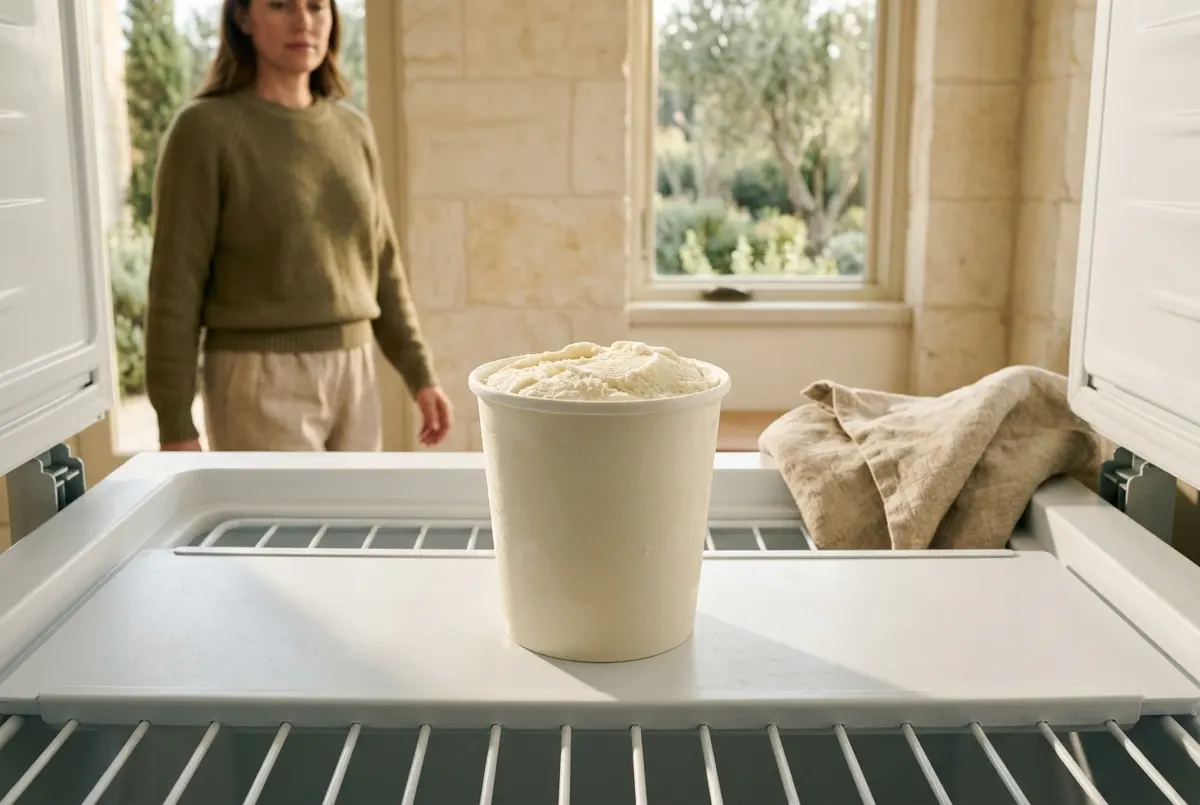
The fix: Freeze the pint upright on a level shelf, and give it the full 24 hours. Rushing a partially frozen base is a common cause of soupy or inconsistent results. Patience genuinely pays off here.
Mistake 3: Skipping the Re-Spin
Perhaps the single most misunderstood step: your first spin may come out looking crumbly, powdery, or like a dry snowball. Many beginners assume the machine failed and give up. In reality, this is normal, and the Re-Spin button exists precisely for this moment.
The fix: When the texture looks crumbly, run the Re-Spin function. Adding a small splash of milk (dairy or plant-based) before re-spinning often transforms a dry batch into something creamy. If crumbly or icy results are a recurring problem, we go deep on the causes in Why Is My Ninja CREAMi Crumbly or Icy?.
Mistake 4: Recipes With Too Little Fat or Body
Water freezes into hard crystals; fat, protein, and thickeners freeze soft and scoopable. Bases made from mostly water or skim liquid tend to come out icy no matter how carefully you spin them.
The fix: Build in some body. A little cream, full-fat coconut milk, banana, protein powder, or a pinch of xanthan gum can dramatically improve texture. Full-fat plant milks are the backbone of our dairy-free and vegan CREAMi recipes for exactly this reason. For higher-protein goals, our protein ice cream recipes and protein powder picks are built to spin smoothly.
Mistake 5: Choosing the Wrong Program
The CREAMi offers distinct settings: Ice Cream, Lite Ice Cream, Sorbet, Gelato, and more, with the exact list depending on your machine (our best Ninja CREAMi model guide compares them). Running a low-sugar or dairy-free base on the wrong program can leave you with the wrong texture entirely.
The fix: Match the program to your base. Use Lite Ice Cream for lower-sugar and sugar-substitute recipes, and Sorbet for fruit-and-water bases like our easy dairy-free CREAMi sorbets. New to the machine's controls? Our step-by-step beginner walkthrough covers every button.
Mistake 6: Not Letting the Base Rest Before Freezing
Warm or freshly blended bases sometimes trap air or don't settle evenly. Pouring a hot cooked custard straight into the freezer can create a frosty top layer.
The fix: Let cooked bases cool to room temperature, then chill briefly in the fridge before freezing. This small pause helps everything freeze uniformly.
Quick Troubleshooting Reference
Here's a scannable summary of the most frequent problems and their fixes:
| Problem | Likely Cause | The Fix |
|---|---|---|
| Powdery / crumbly | Base too lean; skipped re-spin | Add a splash of milk, run Re-Spin |
| Icy or hard | Too much water, uneven freeze | Add fat/thickener; freeze level 24 hrs |
| Soupy / melted | Not frozen long enough | Freeze full 24 hours upright |
| Grainy | Sugar or protein not dissolved | Blend base fully before freezing |
| Leaking / straining | Overfilled past max line | Fill only to the line |
Mistake 7: Expecting Store-Bought Consistency Instantly
Homemade frozen desserts made with less sugar and fewer stabilizers behave differently than commercial ice cream: they can firm up harder in the freezer. This isn't a defect; it's the trade-off for cleaner ingredients.
The fix: Let a fully frozen pint sit on the counter for 5 to 10 minutes before spinning or serving. If you're using the CREAMi for lighter goals, our low-calorie recipes for weight loss are formulated with this in mind. As always, if you're adjusting your diet for a specific health reason, it's wise to check in with a healthcare professional or registered dietitian.

Building Better Habits From Day One
Most CREAMi frustration disappears once these fundamentals become routine: fill to the line, freeze flat and fully, spin then re-spin, and build a base with real body. If you're still finding your rhythm, starting with tested beginner recipes removes the guesswork while you learn how your machine behaves.
And if you're weighing whether the machine earns its counter space at all, our honest take on whether the Ninja CREAMi is worth it and the complete CREAMi guide can help you decide with clear eyes. Enjoying homemade treats is one small, satisfying part of a balanced approach to nutrition and weight loss.
The Bottom Line
Nearly every Ninja CREAMi mistake comes down to four fixable habits: overfilling the pint, freezing unevenly or too briefly, skipping the re-spin, and using a base that's too lean to hold together. Correct those, match the right program to your recipe, and give lower-sugar bases a few minutes to soften before serving. With a little patience and the right base, the CREAMi delivers consistently creamy, scoopable results, and turns those early frustrations into desserts you'll genuinely look forward to making.