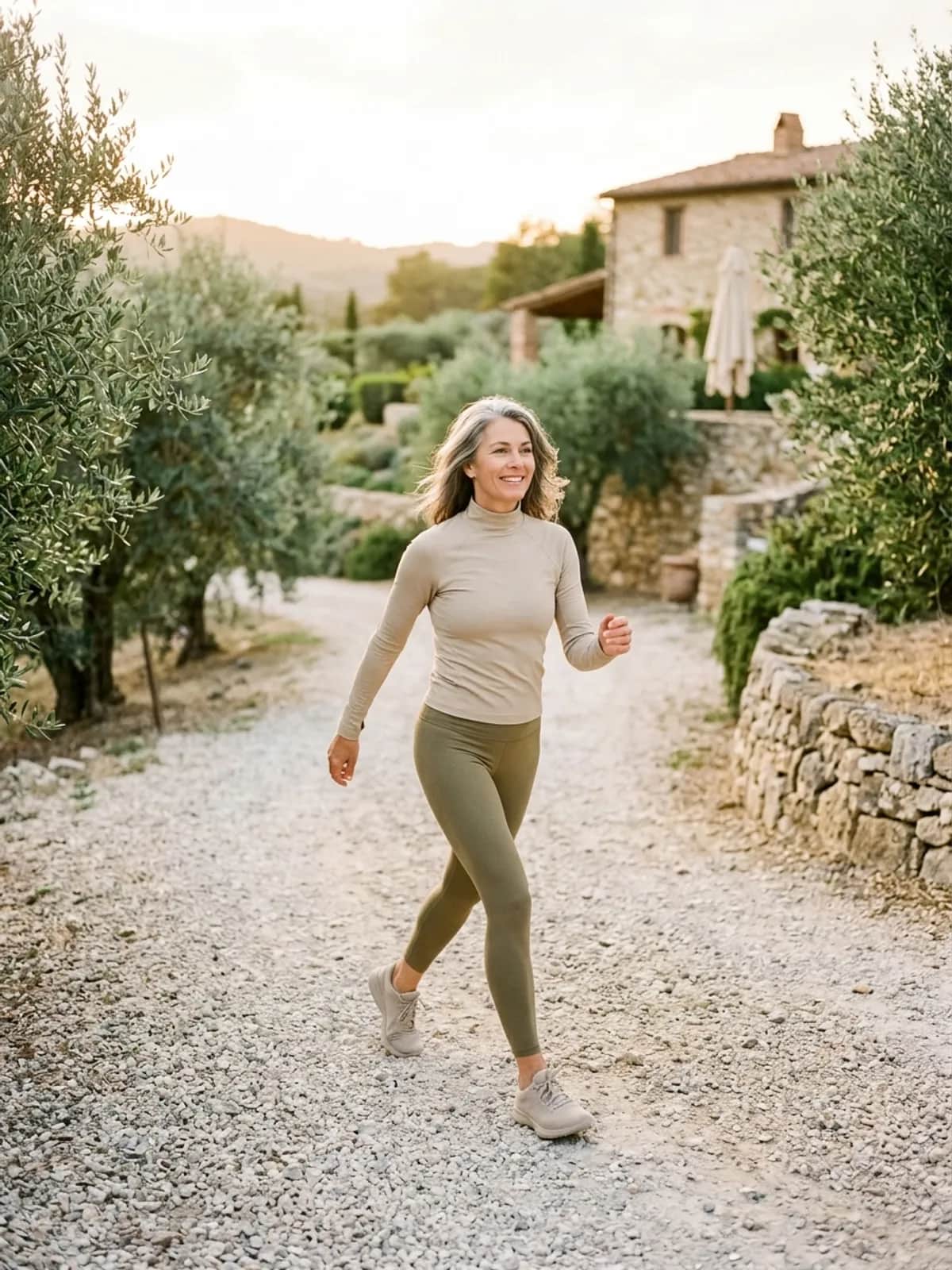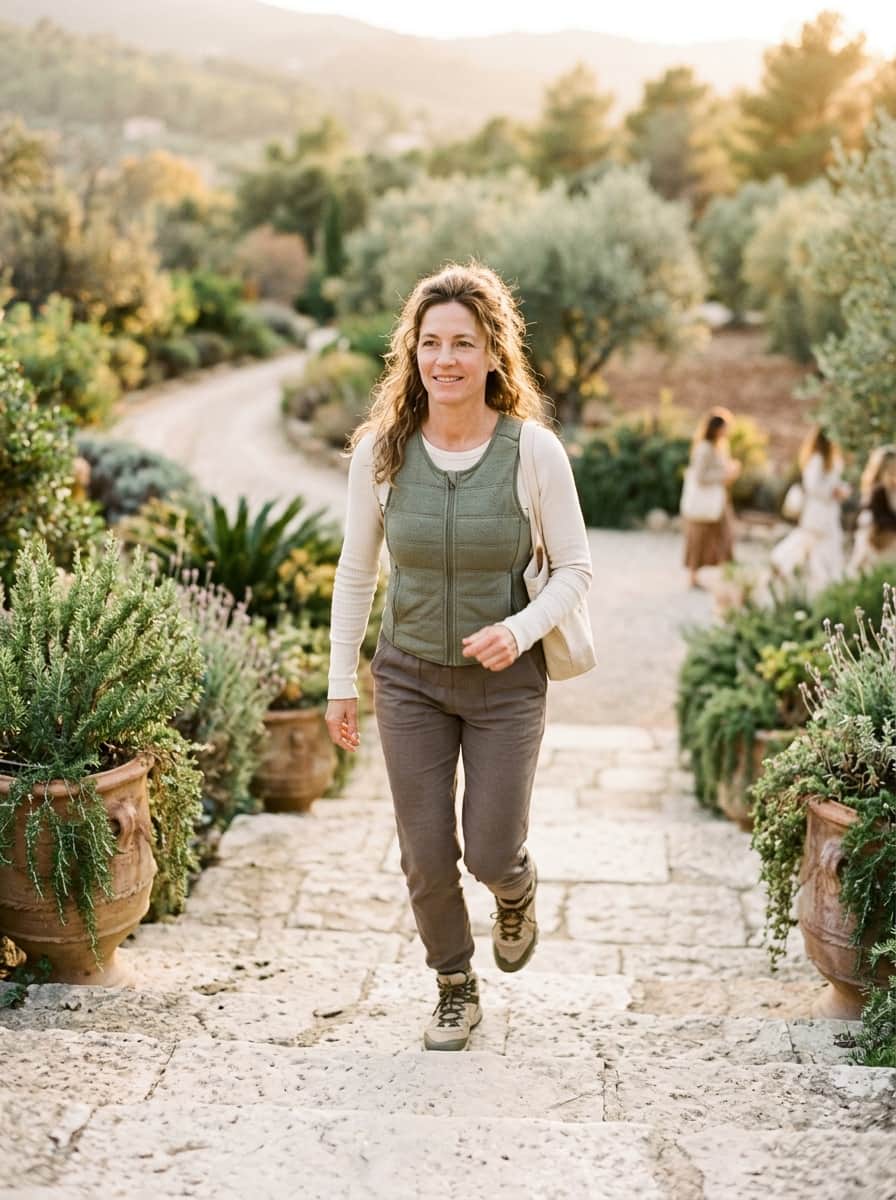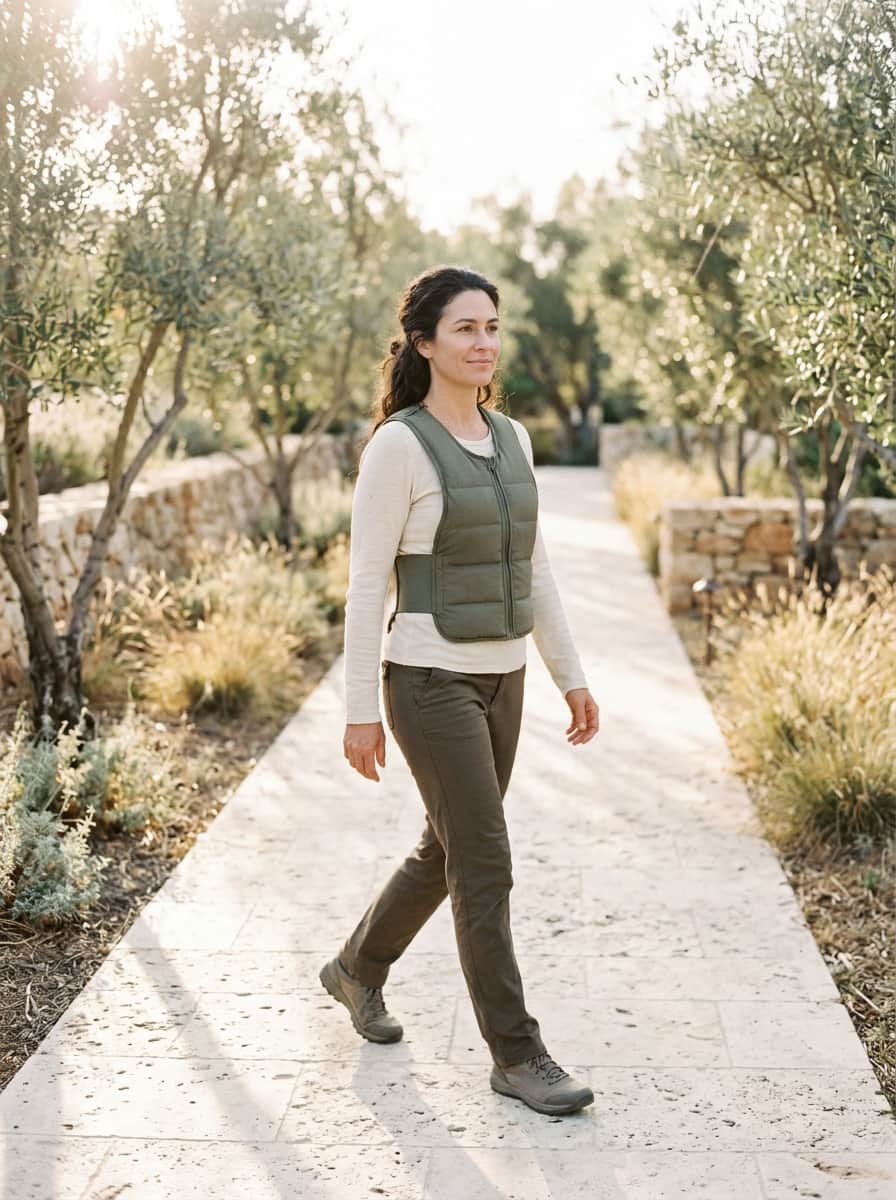
The best Japanese walking shoes combine light cushioning, a flexible sole and enough room in the toe box to let your foot move naturally through brisk intervals, indoors or out. For most women, a shoe that supports a natural stride (rather than one that props the foot up with heavy structure) pairs well with the rhythm of fast and slow walking. Our overall favorite is the Marugo Tabi Action Sports Jog II for its authentic split-toe design, while roomier feet may prefer the wide toe box of the WHITIN Barefoot shoe.
If you have picked up the Japanese walking method and want footwear that keeps up with those three-minute bursts without rubbing or weighing you down, you are in the right place. Below you will find four carefully chosen Amazon picks, each matched to a different kind of foot and walking style, plus honest notes on fit so you can order with confidence.
Our Top Pick

Marugo Tabi Action Shoes Split Toe Sports Jog II wins because its authentic Japanese split-toe construction encourages the natural foot movement that makes interval walking feel light and springy, while the breathable upper keeps you comfortable through faster bursts.
Quick Comparison
| Product | Best For | Why It Wins |
|---|---|---|
| Marugo Tabi Action Sports Jog II | Authentic natural movement | Split-toe design and breathable build for active walking |
| Marugo Cushioned Tabi Air Jog V | Extra cushioning and weather | Air-support tabi boot for comfortable daily walks |
| Tai Chi Canvas Training Shoes | Budget-minded beginners | Lightweight, flexible sole at an affordable entry point |
| WHITIN Wide Barefoot Shoes | Wide feet and roomy toes | Zero-drop sole and generous toe box for a natural stride |
Best Overall: Marugo Tabi Action Sports Jog II
The Marugo Tabi Action Sports Jog II brings the traditional Japanese split-toe silhouette into a breathable, sporty package. Many walkers find the separated big toe helps them feel more grounded and balanced, which can make the slow-and-fast rhythm of interval walking feel more intuitive. The catch: tabi-style shoes feel unusual at first, so wear them on easy walks for a week before your brisk intervals.
Pros:
- Authentic split-toe design supports natural foot movement
- Breathable construction suited for brisk, active walking
- A distinctive option for anyone exploring tabi-style footwear
Cons: Japanese-specific sizing can make fit harder to predict, so measure your foot and size up if you have a wider forefoot.
Best for Cushioned Comfort: Marugo Cushioned Tabi Air Jog V

If your feet appreciate a little more give underfoot, the Marugo Cushioned Tabi Air Jog V layers air-support cushioning into the classic tabi design. The short boot version adds a touch of coverage that many people like for cooler mornings or uneven outdoor paths, making it a versatile daily walker. It sits at a more premium price point, so it is a bigger commitment.
Pros:
- Cushioned tabi construction with air support for daily comfort
- Short boot version works across varied weather
- Keeps the natural split-toe feel with added softness
Cons: It is a more premium choice, and the boot cut feels warmer than a low sneaker on summer walks.
Best Budget Pick: Tai Chi Canvas Training Shoes

The Tai Chi Canvas Training Shoes are the easy way to try a flexible, minimal shoe without overspending. The soft cloth upper and thin, bendy rubber sole encourage a natural gait that pairs nicely with the Japanese walking technique, and the nonslip bottom adds a little reassurance on smooth floors. Just set expectations: these are built for martial arts first, so their long-haul durability on daily walks is unproven.
Pros:
- Lightweight, flexible sole that encourages a natural stride
- Affordable entry point for first-time minimal-shoe walkers
- Nonslip rubber sole for indoor and light outdoor use
Cons: A training-shoe focus means durability over months of brisk outdoor walking is still a question mark.
Best for Wide Feet: WHITIN Wide Barefoot Shoes

For roomier feet, the WHITIN Wide Barefoot Shoes offer a generous toe box and a zero-drop sole that lets your toes spread and your foot sit flat, which suits the quick, light steps of brisk intervals. They are light, breathable and well-suited to extended standing and walking, which many people with sensitive, crowded-feeling forefeet find comfortable. The main drawback is that zero-drop shoes take some getting used to if you normally wear a cushioned heel.
Pros:
- Wide toe box gives toes room to spread naturally
- Zero-drop, lightweight and breathable for long walks
- Light enough for quick steps on brisk intervals
Cons: If you are used to a raised heel, build up time in zero-drop shoes gradually, and compare the brand's size chart carefully.
How to Choose Japanese Walking Shoes
Japanese walking asks something specific of a shoe. You spend half of each session at a brisk, purposeful pace and half strolling, five rounds in a row, usually four days a week. So the shoe has to feel good at two speeds, for around half an hour, many times over. Five things decide whether a pair will do that for you.
Fit and sizing
Your longest toe should sit about a thumb's width from the end of the shoe when you stand. Brisk walking pushes your foot forward on every step, and a shoe that fits perfectly while you sit in a chair can pinch the toes by the third brisk interval. Feet swell a little during a walk and over the course of a day, so measure or try shoes on in the late afternoon, wearing the socks you actually walk in.
Tabi and barefoot brands often use their own size charts, and sizes from your usual sneaker brand will not always translate. Measure your foot length in centimeters or inches against the chart on the product page instead of guessing from your usual size. If you fall between two sizes, the larger one usually works better for walking.
Cushioning and ground feel
There is a trade-off here, and neither end is wrong. More cushioning softens each step on pavement and feels kind on tired feet. Less cushioning lets you feel the ground, which many walkers like for balance and a lighter, quicker stride. Our picks lean toward the flexible, ground-feel end because that suits the natural-movement idea behind tabi shoes. If you walk mostly on concrete or simply prefer softness, the cushioned Marugo Air Jog V is the gentler choice.
Heel-to-toe drop
Drop is the height difference between the heel and the forefoot. Conventional sneakers usually have a raised heel, while zero-drop shoes sit level. Going from a raised heel straight to zero drop shifts work onto your calves and Achilles tendons, which is why sore calves are the classic sign of switching too fast. If you have always worn a cushioned heel, treat zero-drop shoes as something you build up to over a few weeks.
Width and toe box
A roomy toe box lets your toes spread as you push off, and that matters more during brisk intervals than on a slow stroll. If your toes feel squeezed together, or the outside of your little toe rubs, the shoe is too narrow no matter what the length says. Wide or foot-shaped toe boxes, like the WHITIN, are the first thing to look for if you have bunions or a wide forefoot.
Where you walk
Outdoors on sidewalks and park paths, you want a sole with real tread and enough durability for grit and curbs. On a treadmill the belt has some give, so a lighter, more flexible shoe often feels fine, and if you follow our indoor walking challenge on a treadmill, any of these picks will do. For walking around your living room on a rainy day, even the budget canvas shoe works well because there is little wear on the sole.
Which Shoe Suits Your Walking?
| If this sounds like you | Start with | Why |
|---|---|---|
| Curious about split-toe shoes, mostly outdoors | Marugo Tabi Action Sports Jog II | Light, breathable and built for active walking |
| Want softness underfoot or walk in cooler weather | Marugo Cushioned Tabi Air Jog V | Air cushioning and a short boot cut |
| Want to test a minimal shoe without a big outlay | Tai Chi Canvas Training Shoes | Flexible, light, fine for indoor and light outdoor use |
| Wide feet, bunions or toes that feel crowded | WHITIN Wide Barefoot Shoes | Generous toe box and a level sole |
| Prefer the shoes you already own | Your current comfortable sneakers | The interval rhythm matters far more than the shoe |
That last row is worth taking seriously. If your current sneakers are comfortable, not worn out, and give your toes room, you can start the Japanese walking method today and decide about new shoes later.
How to Switch to Tabi or Zero-Drop Shoes
Changing to a flatter, more flexible shoe is a change for your feet, so give them time. A gentle approach:
- Week 1: wear the new shoes around the house and on one or two short, easy walks of 10 to 15 minutes.
- Week 2: use them for the easy half of a session, then switch back to your old shoes for the rest, or do a short session of three rounds.
- Week 3: try a full session of 3 minutes brisk and 3 minutes easy, five rounds, if your calves and arches feel fine the next morning.
- After that: rotate between old and new shoes for a while if you walk most days.
A free interval timer set to 3 short rounds makes those shorter first sessions easy to run. Some calf tiredness is normal. Sharp pain, pain in the heel first thing in the morning, or pain that grows from walk to walk is a reason to step back to your old shoes and ask a podiatrist.
Who Should Skip Minimal Shoes
Flexible, low-cushion shoes are not for every foot. A more cushioned, structured walking shoe is usually the better choice if you:
- Have been told by a podiatrist or doctor to wear supportive shoes or custom orthotics
- Have diabetes or reduced feeling in your feet, where foot protection comes first
- Are dealing with plantar heel pain, Achilles pain or a recent foot or ankle injury
- Have balance concerns and feel steadier in a firmer, wider sole
If any of these apply, choose comfort and support over style, and check your plans with a professional. Japanese walking works just as well in a conventional cushioned sneaker.
Common Shoe Mistakes
- Buying for the first five minutes. A shoe that feels soft in the store can feel tight by round four. Judge it after a full session at home or on a treadmill before you wear it outside, if the return policy allows.
- Going too small. Brisk walking moves your foot forward. Leave toe room.
- Changing shoes and plan at once. If you start new shoes and longer sessions in the same week, you cannot tell which one made your calves sore.
- Adding load in light shoes. Planning to walk with a vest later? A light vest is fine in most walking shoes, but very thin soles and extra weight together can be a lot for your feet. Read Japanese walking with a weighted vest before you combine them.
- Ignoring posture. No shoe fixes a slumped stride. Walking tall with relaxed shoulders, as in our posture guide, does more for comfort than any sole.
Care and When to Replace
Let shoes air dry away from radiators after wet walks, and take out the insoles if they come out. Hand wash canvas and fabric uppers with mild soap rather than putting them through a hot wash, unless the brand says machine washing is fine. If you walk most days, owning two pairs and rotating them gives each pair time to dry out.
Check your shoes every month or two. Replace them when the tread is smooth in the spots you land on, the sole has cracked or bends in odd places, the upper has torn near the toes, or your knees, hips or feet ache after walks that used to feel easy. There is no fixed mileage that fits everyone, since your weight, stride and surface all change how fast a shoe wears.
How We Chose
We prioritized shoes that match the natural-movement spirit of Japanese walking: flexible soles, room for the toes and a lightweight feel that holds up through brisk intervals. We looked at materials, breathability and how each pair balances cushioning with ground feel, and we noted honestly where fit is harder to predict so you can weigh that before buying. None of these picks claim to treat or correct any foot condition.
A Quick Word on Fit and Comfort
Everyone's feet are different, and a shoe that feels like a dream to one walker can feel too snug or too loose to another. If you have persistent foot discomfort, it is always worth checking in with a podiatrist or healthcare professional before changing your footwear or starting a new routine. Pairing the right shoes with good technique matters, so once your feet are sorted, explore our Japanese walking workouts, the no-equipment 10-minute walking workout at home for rainy days, the 30-day walking challenge if you like a plan to follow, and our broader exercise guides to build a routine you actually look forward to. Planning to walk with extra load later? Supportive shoes matter even more then, and our best weighted vests for walking cover the vest side.
Frequently Asked Questions
Do you need special shoes for Japanese walking?
No. Any comfortable walking shoe with a flexible forefoot, room for your toes and enough cushioning for your surface works. Japanese walking is an interval method, not a footwear style, so tabi shoes are an option rather than a requirement.
Are barefoot or zero-drop shoes good for brisk walking?
They can be, if you build up gradually. Zero-drop shoes put more work on your calves and feet, so wear them on short, easy walks first before using them for brisk intervals.
What should I look for in a walking shoe for wide feet?
Look for a wide or foot-shaped toe box, a secure heel that does not slip, and a sole that bends where your foot bends. Try shoes on later in the day, when feet are slightly larger.
Can I do Japanese walking barefoot at home?
Short indoor sessions barefoot or in socks are fine for many people on a clean, non-slip floor, but socks can slide on hardwood. For full 30-minute sessions, a light shoe with grip is safer and kinder to your feet.
Should I size up for walking shoes?
Often by half a size, because feet move forward and swell a little during brisk walking. Measure your foot and check the brand's own chart, since tabi and barefoot brands size differently.
Do I need tabi socks with split-toe shoes?
Split-toe socks are the comfortable option, because a regular sock bunches between the toes. Many walkers wear them in thin, breathable fabrics for warmer days.
How often should I replace walking shoes?
Replace them when the cushioning feels flat, the tread is worn smooth, or your feet, knees or hips start aching after walks that used to feel fine. How fast that happens depends on how much you walk and on what surface.
The Bottom Line
The best Japanese walking shoes let your foot move the way it naturally wants to, with just enough cushioning for comfortable intervals. Our overall pick is the Marugo Tabi Action Sports Jog II for its authentic split-toe design, while the WHITIN Wide Barefoot Shoes are the standout for wider feet and the Tai Chi Canvas Training Shoes are a friendly budget starting point. Choose the fit that suits your foot, lace up and enjoy the walk.