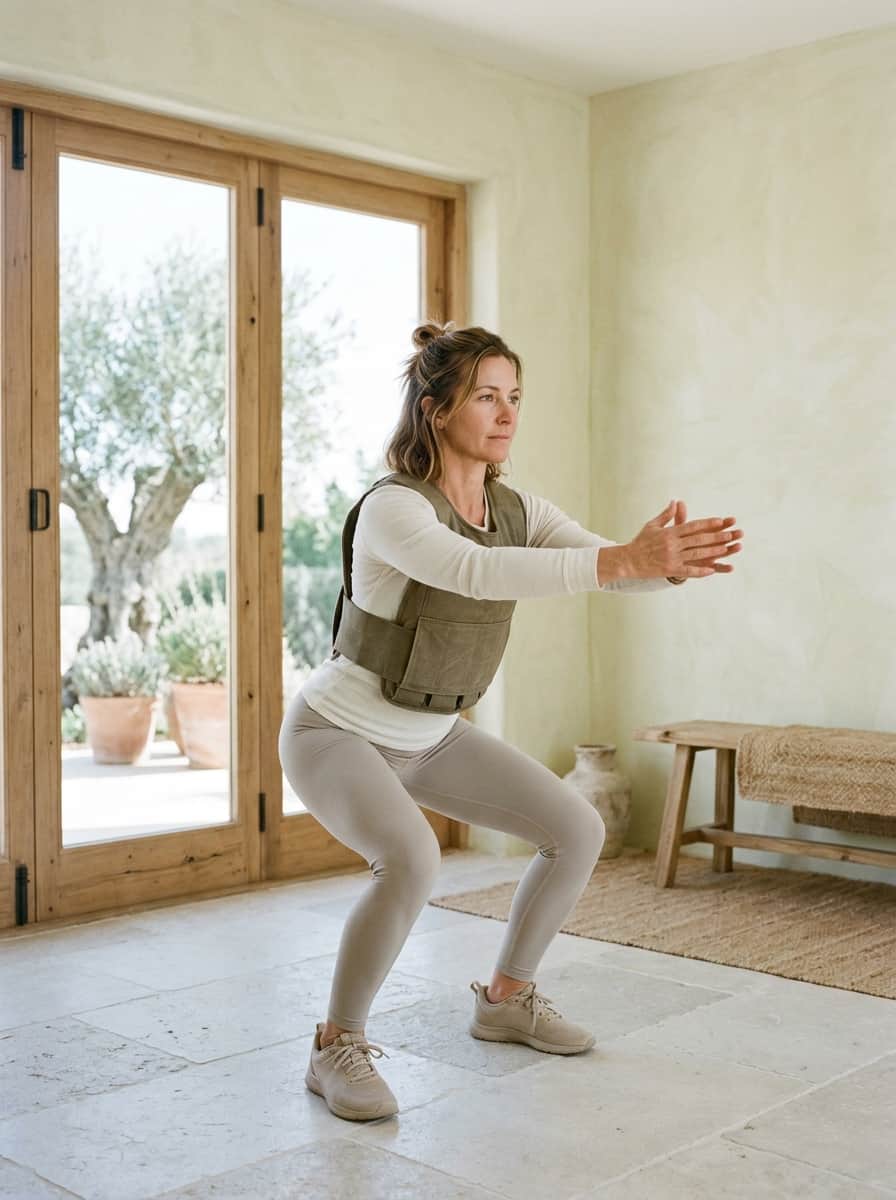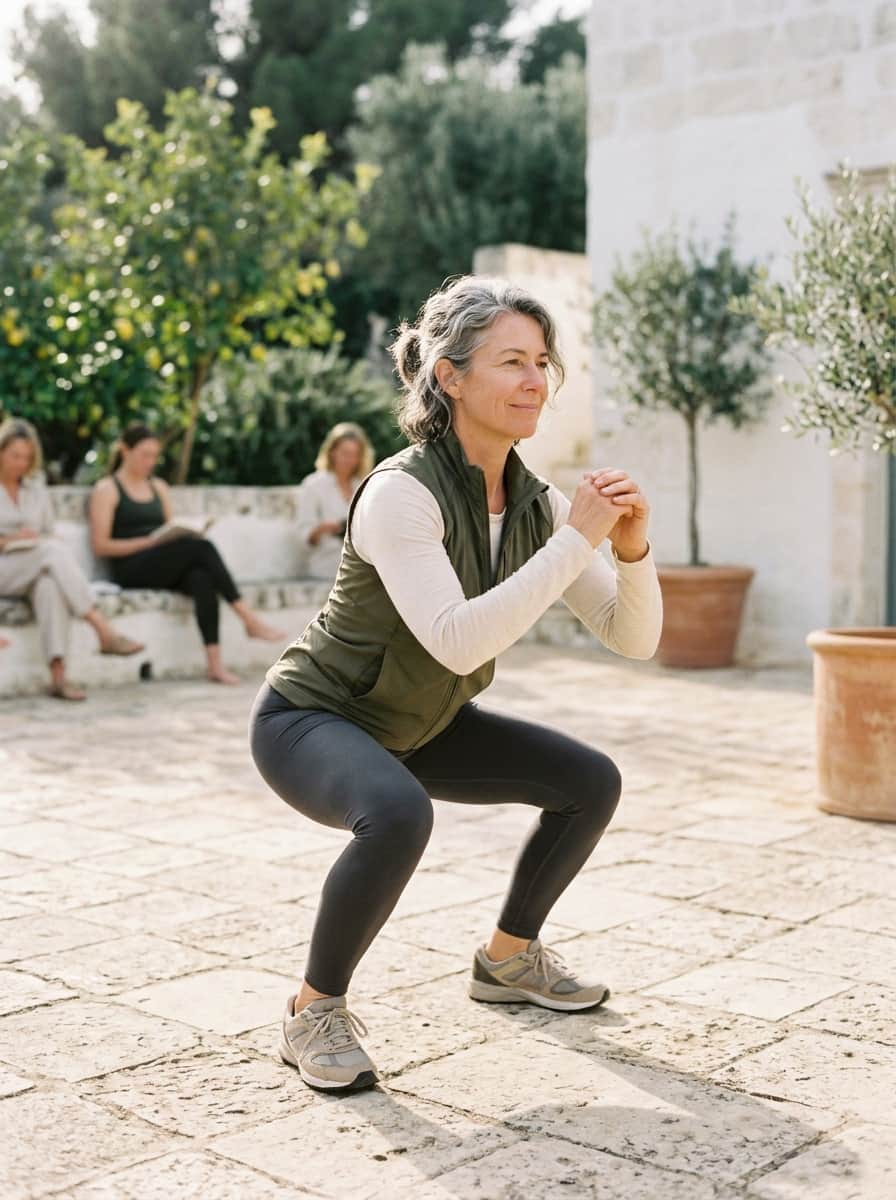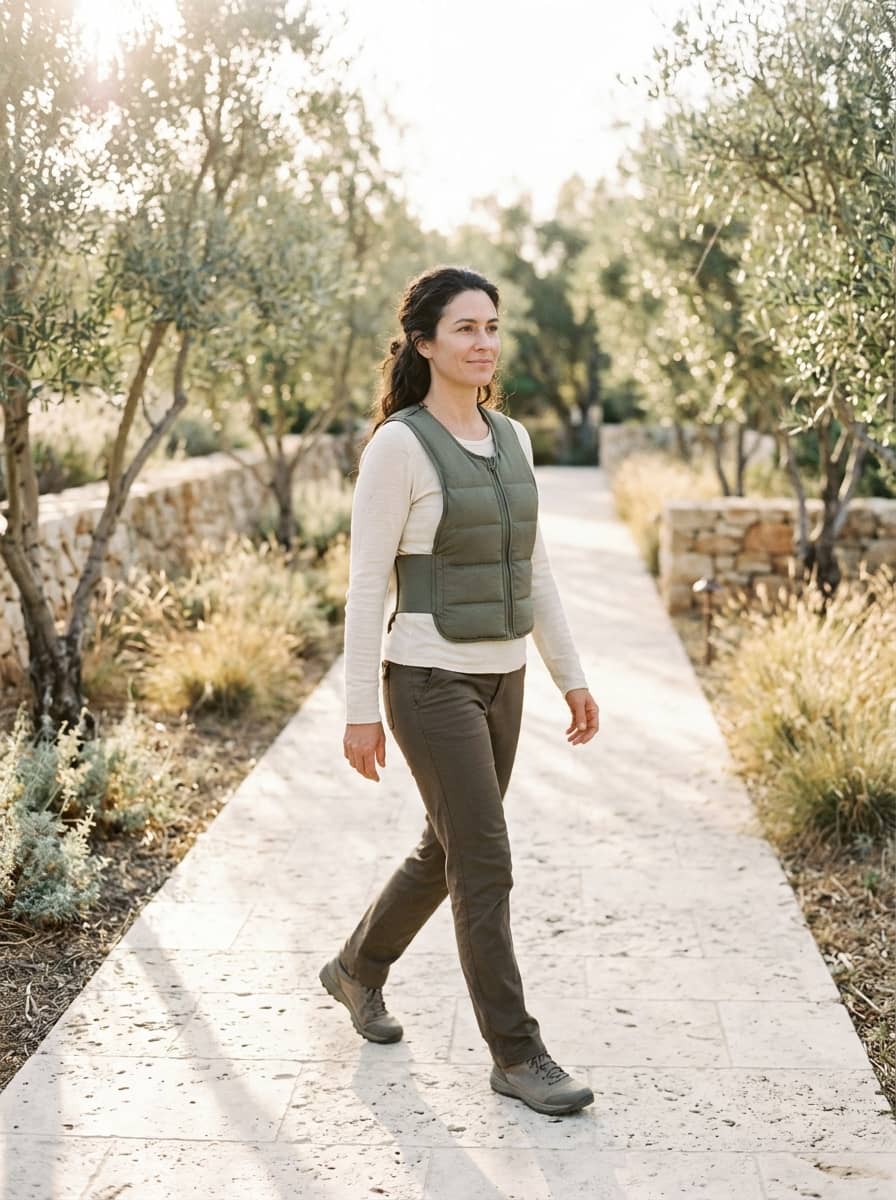
The best weighted vest for walking women keeps the load light (think 6 to 12 pounds), distributes that weight evenly across your torso and sits snug enough that it never bounces or rubs with each step. Our top pick, the BAGAIL Comfort-Fit Weighted Vest, earns the spot because it is designed specifically for walking and running, with even weight distribution, a no-chafe fit and breathable panels that make a daily walk feel natural rather than clunky.
Walking is gentle, rhythmic and repetitive, which means the vest you choose matters more than you might expect. A vest built for heavy strength training can feel bulky, slide around or dig into your shoulders over a 30-minute walk. Below, we walk you through the lightweight, low-bounce picks we would actually reach for on a daily stroll, plus exactly what to look for so your vest feels like a quiet companion rather than a distraction. This page focuses specifically on walking, so the picks skew light and low-bounce; if you want heavier, adjustable loads for strength work, see our general best weighted vests for women roundup instead.
What Makes a Good Walking Vest (Different From a Training Vest)
A vest for the gym and a vest for walking are not the same tool. For walking, you want:
- Light, fixed or lightly adjustable load. Most women do well starting at about 5 percent of body weight or less (often 4 to 8 pounds) and staying under about 10 percent for walking. Heavier plates are better suited to a dedicated weighted vest workout plan.
- Even weight distribution. Weight spread front and back keeps you balanced and protects your posture.
- A snug, low-bounce fit. Adjustable side straps matter so the vest stays put as you move.
- Breathable, no-chafe materials. Walks get warm, and friction at the underarms or collarbone ruins the experience.
- Reflective detail. Helpful for early-morning or evening walks.
If you want the big-picture overview of how vests work and whether they suit you, start with our guide to weighted vests for women. Curious how a vest pairs with interval walking specifically? See Japanese walking with a weighted vest.
Our Top Pick
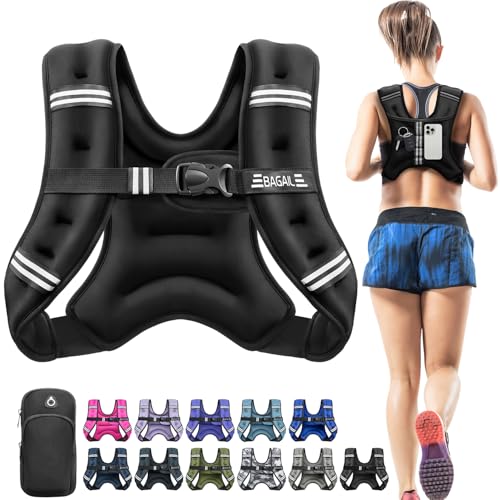
BAGAIL Comfort-Fit Weighted Vest for Woman, 10lb wins because it was engineered around the exact problems walkers face: it spreads weight evenly, holds snug without chafing or bouncing and even includes a detachable phone pouch so you can leave your armband at home.
Quick Comparison
| Product | Best For | Why It Wins |
|---|---|---|
| BAGAIL Comfort-Fit Weighted Vest | Best Overall for Walking | Even weight, no-chafe fit, phone pouch |
| ZELUS Weighted Vest 8 lb | Best Light Starter | Low load, simple and budget-friendly |
| Poudee 12LB Weighted Vest | Best Secure Fit | Adjustable straps and reflective stripe |
| ZELUS Weighted Vest 16 lb | Best for Building Up | More load as your fitness grows |
Best Overall for Walking: BAGAIL Comfort-Fit
This is the vest we recommend first for most women who want to add gentle resistance to their daily walks. Its adjustable side straps let you cinch the vest tight to your torso so it stays put instead of bouncing, and the breathable panels reduce the clammy, chafing feel you get from solid-front vests on warmer walks. The 10-pound load is a sensible middle ground, the reflective stripes add visibility and the detachable phone pouch is a genuinely useful touch for walkers who hate juggling their phone.
Pros:
- Designed specifically for walking and running
- Even front-and-back weight distribution
- No-chafe, low-bounce fit
- Detachable phone pouch and reflective stripes
Cons: The 10-pound weight is fixed rather than adjustable, so you cannot scale it down on tired days or build up gradually the way you can with the adjustable Poudee. It may also feel like a lot on day one, so ease in with shorter walks.
Best Light Starter: ZELUS 8 lb

If you are brand new to walking with added weight, the lighter 8-pound ZELUS is a friendly, affordable entry point. A lighter load lets your shoulders, neck and core adapt gradually, which many people find keeps them consistent rather than sore. The reflective stripe helps on dim-lit walks, and the simple design is easy to throw on.
Pros:
- Gentle 8-pound load, ideal for beginners
- Budget-friendly
- Reflective stripe for visibility
- Straightforward, no-fuss design
Cons: The fit is more basic than the BAGAIL, so pay attention to strap adjustment to minimize movement.
Best Secure Fit: Poudee 12LB

For walkers who want the vest to feel locked in, the adjustable Poudee is worth a look. Its adjustable design helps you dial in a snug fit, which is the single biggest factor in avoiding bounce on longer walks. The reflective stripe and unisex sizing make it a practical pick, though at 12 pounds it suits those who have already built up a little tolerance.
Pros:
- Adjustable for a secure, custom fit
- Reflective stripe for low-light walks
- Solid, durable construction
- Works for both walking and light training
Cons: At 12 pounds it is heavier than ideal for a true beginner, so build up first.
Best for Building Up: ZELUS 16 lb

Once walking with 8 to 12 pounds feels easy, the 16-pound ZELUS gives you room to progress. We only suggest this heavier option for walkers who already feel strong and steady, since too much weight too soon can strain your posture. Used thoughtfully on flat, familiar routes, it adds a meaningful challenge.
Pros:
- Heavier load for experienced walkers
- Reflective stripe included
- Versatile for walking and strength work
- Durable build for regular use
Cons: Too heavy for beginners and may feel bulkier on fast-paced walks.
How We Chose
We prioritized vests that stay light, sit snug and distribute weight evenly, because those are the qualities that actually matter when you are walking rather than lifting. We weighed construction quality, breathability, fit adjustability, reflective safety detail and overall value, and we read each listing's stated weight, strap design and materials closely. Every pick here is one we would feel comfortable recommending to a friend starting her first weighted walks.
The Walking-Specific Checks Before You Commit
A vest can look perfect in a listing and still feel wrong on step two hundred. Walking exposes three things a quick try-on in the hallway will not: bounce, heat and how the vest carries your small stuff. Do this five-minute test at home before you take a new vest on a long route.
| Check | How to test it | What good looks like |
|---|---|---|
| Bounce | Walk briskly down a hallway or climb a flight of stairs | The vest moves with your torso, not a beat behind it |
| Rubbing | Swing your arms naturally for two minutes | No pressure at the underarms, collarbone or bust line |
| Breathing | Take a few deep breaths with the straps snug | Snug around the ribs without restricting a full breath |
| Posture | Stand side-on to a mirror | Shoulders stay level and back, the vest does not pull you forward |
| Pockets | Load your phone and keys | Nothing knocks against you or tugs the vest to one side |
Bounce is the problem to solve first
Bounce is what makes a walking vest annoying, and it causes most of the rubbing and neck strain people blame on weight. It usually comes from loose side straps, a vest that is too long for your torso, or weight that sits low on the back. Tighten the side straps until the vest feels like a firm hug, then walk again. If it still swings, the cut is probably too long for you, and a shorter vest will serve you better than a heavier one.
Breathability on warm walks
Walks heat you up gradually, and a vest covers a large part of your torso. Breathable or mesh panels, like the ones on the BAGAIL, let more air through than a solid shell. A fitted, moisture-wicking top underneath does as much for comfort as the vest itself, because a damp cotton shirt bunches and rubs. On hot days, walk earlier or later, shorten the loaded part of the walk, or leave the vest at home. Heat plus load is a fair reason to skip a session.
Visibility and hands-free carry
Every pick on this page has reflective detailing, which helps on early-morning or evening walks, but a few reflective strips on your torso are not a substitute for a light or bright layer on darker roads. Hands-free carry matters more than it sounds: holding a phone in one hand shifts your arm swing and your balance, and a vest is already changing your load. A front pouch or pocket, like the detachable one on the BAGAIL, keeps your arms free to swing naturally.
Pairing a Vest With Japanese Walking Intervals
The Japanese walking method alternates 3 minutes of brisk walking with 3 minutes of easy walking, five times. A vest raises the effort of both parts, so the brisk minutes feel harder sooner. Get the rhythm comfortable without a vest first, then wear a light vest on easy sessions before you wear it for full intervals. The free Japanese walking timer can run a shorter three-round session while you adapt, and our Japanese walking workouts page has formats for outdoors, treadmill and home. The full step-by-step for adding load to intervals lives in our Japanese walking with a weighted vest guide.
Indoors and on the treadmill
A vest works on a treadmill too, and the flat, predictable surface is a sensible place to try it first. Keep your hands off the rails, because leaning on them undoes the point of the load and can tip your posture forward. If winter or weather keeps you inside, our indoor walking challenge gives you a plan that works with or without a vest.
Who Should Skip a Walking Vest
Some walkers are better off without one, at least for now. If you are pregnant, have a current back, hip, knee or foot problem, manage a heart or blood pressure condition, or feel unsteady on your feet, check with your healthcare provider first. If you are new to regular walking, build a few weeks of unloaded walks before adding any weight. A vest makes a good habit harder, not a new habit easier.
Mistakes Walkers Make With Vests
- Wearing the vest on every walk. Two or three loaded walks a week is plenty for most women, with the rest unloaded.
- Choosing hills on day one. Start on flat, familiar routes. Hills and stairs add load on top of load.
- Letting the vest pull your shoulders forward. If you start to hunch, the vest is too heavy or sits too low. Our posture guide has simple cues to stand tall.
- Pushing through hot spots. A rub that starts at minute five becomes a raw patch by minute thirty. Stop, adjust, and try a different top.
- Forgetting to wash it. Walking vests absorb a lot of sweat. Remove any weights, wash the shell as the label allows and air dry it fully before the next walk.
How to Start Safely
Begin with your lightest option and shorter walks, then add time before you add weight. Keep your posture tall, your shoulders relaxed and your core gently engaged. If you feel neck, shoulder or lower-back strain, lighten the load or take the vest off. A good pair of supportive shoes helps too, so browse our best shoes for walking. If you have any heart, joint, back or pregnancy concerns, it is wise to check with your healthcare provider before adding weight, and you can read more general guidance in our exercise section.
Want to use your vest for the Japanese walking method? Keep it to easy walks and easy intervals at first. And if you carry more weight and straps are your problem, see our weighted vests for plus-size women. Prefer added resistance without a vest? Lighter alternatives like wrist weights for walking or ankle weights for walking may suit you better.
Frequently Asked Questions
How heavy should a weighted vest be for walking?
Start at about 5 percent of your body weight or less, which is often 4 to 8 lb, and stay under about 10 percent for walking. Add time before you add weight.
How long should I walk with a weighted vest?
Begin with 10 to 20 minute easy walks a few times a week. If nothing aches the next day beyond normal tired muscles, lengthen the walks gradually.
Should a walking vest be adjustable?
It helps. Adjustable straps stop the vest bouncing, and removable weights let you start light and progress. A fixed light vest also works if it fits snugly.
Can I wear a weighted vest for brisk or interval walking?
Wait until you are well adapted. Wear the vest on easy walks and easy intervals first, and keep brisk efforts unloaded until the vest feels comfortable for several weeks.
How do I stop my weighted vest from bouncing when I walk?
Tighten the side straps until the vest feels like a firm hug and make sure it sits on your upper torso, not your hips. If it still bounces, the vest is probably too long for you or too heavy, and a shorter, lighter vest will fix it.
Is it better to walk with a weighted vest or ankle weights?
For walking, a vest is usually the gentler choice because it keeps the load close to your center. Ankle weights change your stride and are better kept for slow strength moves. Our ankle weights for walking guide explains the trade-offs.
The Bottom Line
The best weighted vest for walking women is light, secure and comfortable, and for most people the BAGAIL Comfort-Fit Weighted Vest checks every box with its even weight distribution and no-chafe, low-bounce fit. If you are just starting out, the lighter ZELUS 8 lb is a gentle, budget-friendly entry point, while the adjustable Poudee and heavier ZELUS 16 lb give you room to progress. Whichever you choose, start light, prioritize fit and let the walk feel easy before you add more.