PureHolisticWellness lotus logoPureHolisticWellness
Exercise

Walk Your Way to Wellness: Join Our Free 30-Day Walking Challenge and Notice the Health Benefits!

February 6, 2024 · 17 min read

When you purchase through links on our site, we may earn an affiliate commission at no cost to you. Here’s how it works.

Table of Contents

Walking Affects Your Health and Wellbeing, and doing an indoor or outdoor walking challenge can significantly impact both your physical and mental health. Physically, walking strengthens the heart, lungs, and muscular system, while also improving circulation and boosting immune system responses. These benefits contribute to a reduced risk of chronic illnesses such as diabetes, obesity, and cardiovascular diseases. Regular walking also enhances muscular endurance and flexibility, making everyday activities easier and reducing the risk of falls and injuries as we age.

Mentally, walking offers an incredible return on investment. The simple act of walking may help stimulate the production of stress-reducing hormones, which may help calm your mind and support sharper focus. Learning more about natural hacks to lower cortisol can complement your walking routine beautifully. Regular walkers often report better sleep patterns, which is a critical component of overall health and well-being. Furthermore, walking provides a time for reflection and meditation, allowing you to step away from the stresses of daily life and gain perspective in a natural, healthy way.

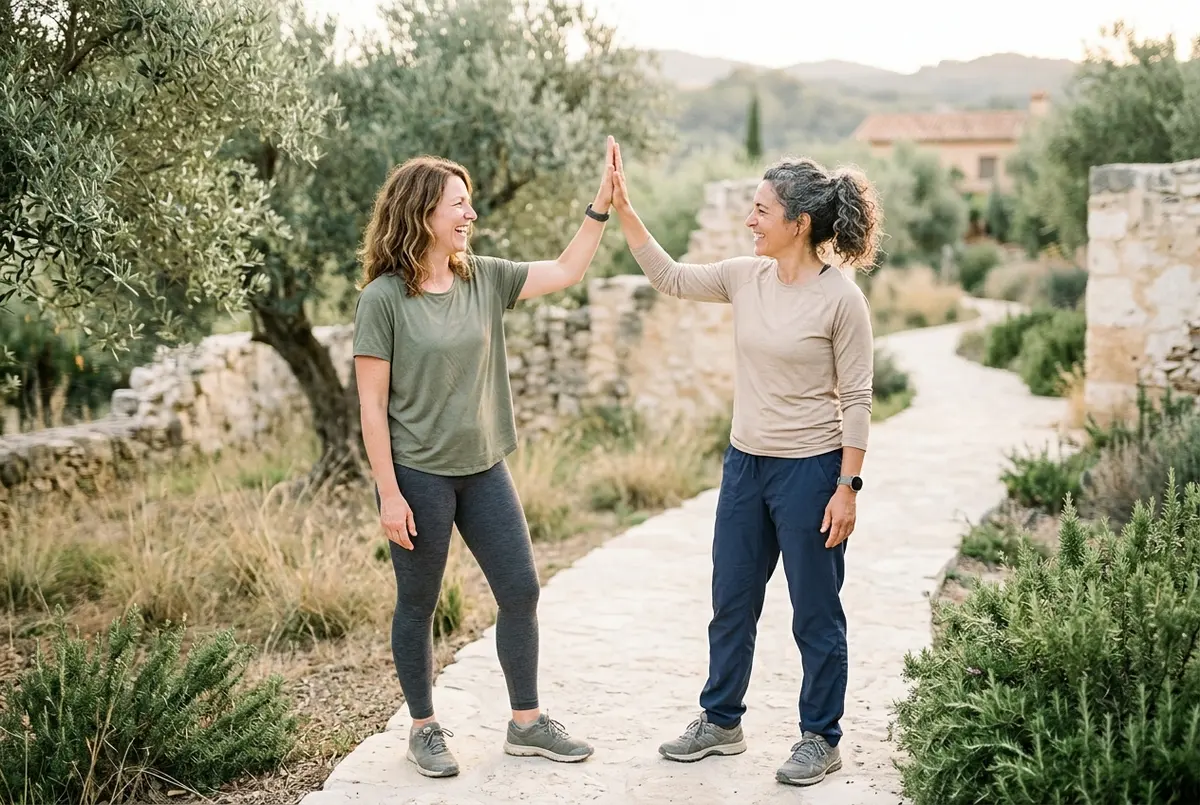
Two women high five while running in the park during the 30 day walking challenge

Health benefits of a 30-day Walking Challenge

Walking is a simple, accessible form of exercise that packs a powerful punch when it comes to health benefits. Regular walking sessions can lead to significant improvements in overall health, making it a recommended activity for people of all ages and fitness levels. Here are some of the key health benefits associated with walking:

  1. Lowered Blood Cholesterol: Regular walking helps to reduce levels of LDL cholesterol (the “bad” cholesterol) while increasing levels of HDL cholesterol (the “good” cholesterol). This balance is crucial for heart health, reducing the risk of cardiovascular diseases.

  2. Elevation of Heart Rate: Walking increases the heart rate, which may be beneficial for strengthening the heart muscle. Over time, a stronger heart may pump blood more efficiently, potentially supporting improved circulatory health and reduced strain on the heart. Consistent walking may help lower resting heart rate and support heart function.

  3. Lower Blood Sugar Levels: Walking helps in regulating blood sugar levels by improving the body’s ability to use insulin. This is particularly beneficial for those managing diabetes or pre-diabetic conditions. Regular walking, especially after meals, can help lower blood sugar levels and stabilize insulin response

  4. Weight Management: Walking burns calories and may be a helpful way to support maintaining or managing weight. Combined with a balanced diet, walking may be an effective strategy for weight management.

  5. Enhanced Mental Health: Walking not only benefits the body but also the mind. It can help reduce symptoms of depression and anxiety, boost mood, and enhance overall mental well-being through the release of endorphins, known as ‘feel-good’ hormones.

  6. Improved Muscular Strength and Endurance: Regular walking may help increase muscular strength and endurance in the lower body. This may support mobility and help reduce the risk of falls, which is especially important as we age.

  7. Bone Health: Walking is a weight-bearing exercise, which means it may help support bone health by encouraging healthy bone density. This may be beneficial for reducing the risk of osteoporosis and fractures over time.

Incorporating walking into your daily routine can be one of the easiest and most effective ways to achieve a healthier lifestyle. With virtually no equipment needed and the ability to tailor it to any fitness level, walking offers a robust solution for improving physical and mental health.

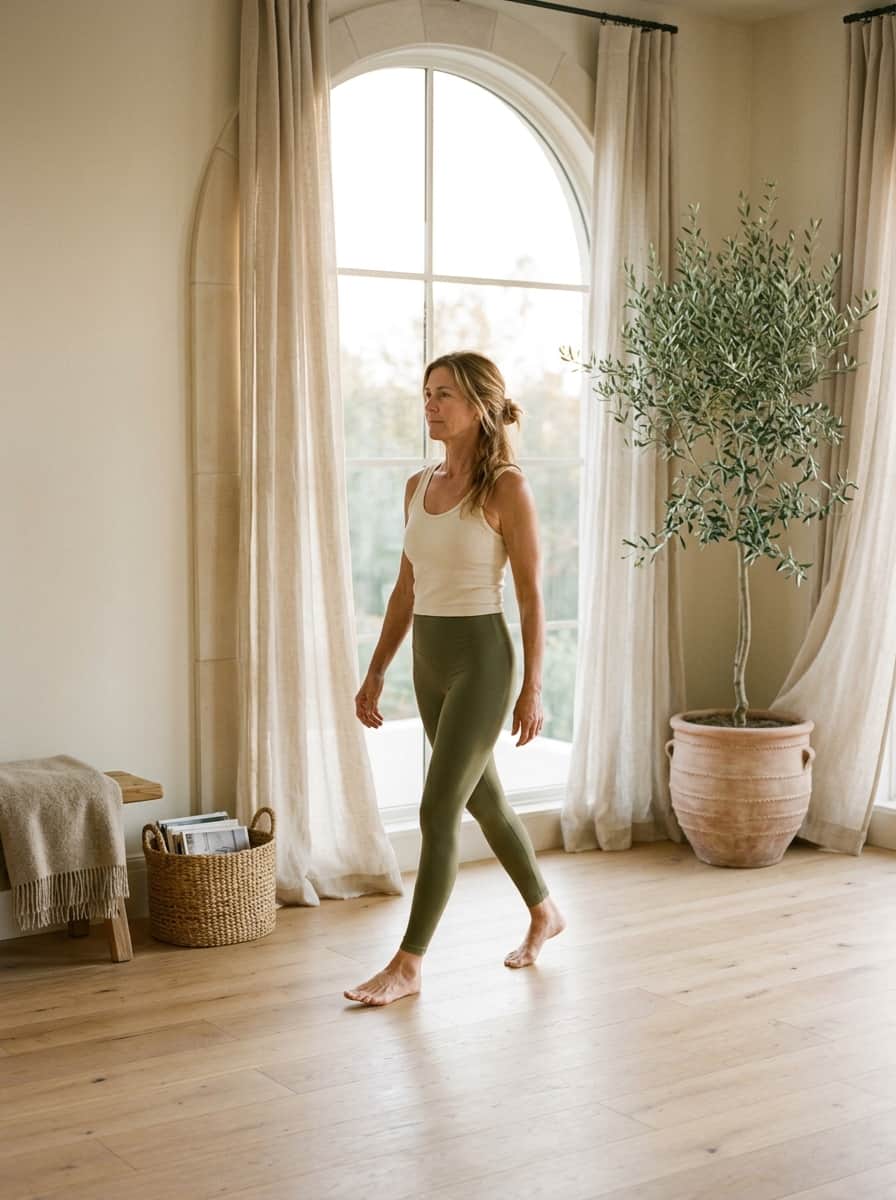
A woman walking on a treadmill in a room during an indoor walking challenge.

Walking for Beginners or If You Feel Out of Shape

Starting an exercise routine can feel daunting, especially if you’re new to fitness or coming back after a long break. However, walking is a wonderfully accessible form of exercise that requires no special skills or equipment and can be easily tailored to your current fitness level. For beginners or those who feel out of shape, the key is to start slowly and gradually increase the pace and duration of your walks.

An indoor walking challenge is ideal for beginners because it allows you to control the environment and intensity. Without the worries of uneven sidewalks, weather conditions, or traffic, you can focus solely on your movement. You can start with short, 5-minute walks several times a day, slowly building up to longer durations as your confidence and stamina improve. The privacy of an indoor setting may also ease the intimidation factor, providing a safe space to develop your fitness without concern for external judgment. Read more on tips how to start if you are overweight or have problems walking.

Walking doesn’t require you to push your limits right away; rather, it invites you to grow at your own pace. By incorporating regular walking into your life through an indoor walking challenge, you’re not just taking steps towards physical fitness, but also towards a happier, healthier you. Ready to take the first step?

What Is an Indoor Walking Challenge?

Let's face it – we live busy lives, and finding time and space for exercise can be a challenge, but what if the path to fitness was as close as your living room, hallway, or office? An indoor walking challenge is designed to make this a reality. This fitness initiative provides a structured plan where participants engage in walking exercises within the confines of their own homes. It’s perfect for those days when getting outside is difficult, or you simply prefer the privacy and comfort of your home environment. From marching in place to navigating your home’s perimeter, the indoor walking challenge adapts to your space and schedule, making fitness an accessible goal for everyone.

Walking indoors on a treadmill or walking pad offers a convenient and controlled environment for exercise, making it an excellent option for maintaining fitness regardless of weather or outdoor conditions. These devices allow you to customize your workout with adjustable speeds and inclines, enabling you to simulate outdoor walking or hiking scenarios that challenge your endurance and strength without leaving your home. Additionally, treadmills and walking pads can help track your progress more precisely, providing feedback on distance, speed, and calories burned. This can be particularly motivating for those who enjoy monitoring their improvements and setting specific fitness goals. Moreover, indoor walking equipment like treadmills and walking pads are ideal for those who prefer privacy during their workouts or need to multitask, such as catching up on a favorite show or listening to an audiobook while exercising. Overall, using a treadmill or walking pad for indoor walking ensures that you can maintain a consistent walking routine, essential for cardiovascular health, weight management, and overall wellness.

Walking indoors or outside?

As we just read walking indoors can have a lot of benefits. Nevertheless walking is a versatile exercise that can be enjoyed both outdoors and indoors, each offering its unique set of benefits. Understanding these can help you decide the best way to incorporate walking into your daily routine, depending on your lifestyle, preferences, and goals.

Benefits of walking outside

Benefits of walking indoors

  1. Connection to Nature: Walking outdoors provides a chance to connect with nature, which can significantly boost mental well-being. Exposure to green spaces may help support a reduction in feelings of stress and anxiety.

  2. Vitamin D Intake: Spending time in sunlight while walking may help your body synthesize Vitamin D, which may support bone health and immune function.

  3. Varied Terrain: Walking on different types of terrain outdoors challenges your body in diverse ways, engaging more muscle groups and improving your balance and coordination.

  4. Social Interaction: Outdoor walks can be more socially engaging, providing opportunities to walk with friends or interact with others in your community.

  5. Controlled Environment: Indoor walking allows you to control the environment, making it easier to maintain a consistent routine regardless of weather conditions like rain, heat, or cold.

  6. Safety and Convenience: Walking indoors, whether on a treadmill or around your home, provides safety from traffic and poorly lit routes, and the convenience of not requiring a specific location or preparation.

  7. Flexibility: Indoor walking can easily be combined with other forms of exercise like strength training or yoga, making it a versatile part of a broader fitness regimen.

  8. Multitasking: Indoors, you can watch TV, listen to podcasts, or even read while walking, which can make the time pass quickly and enjoyably.

While outdoor walking provides a sensory experience and numerous health benefits from being in nature, indoor walking offers practical advantages that make it easier to stick to a regular exercise schedule. Outdoor walking is best for those who appreciate nature and the variability of the natural environment, and who benefit from the psychological boosts of being outside. On the other hand, indoor walking is ideal for those who prefer routine and consistency and need a reliable, weather-proof way to fit exercise into a busy schedule.

Both forms of walking may support cardiovascular health, help improve muscular strength, and contribute to weight management. The choice between indoor and outdoor walking often comes down to personal preference, specific health goals, and lifestyle needs. Whether you choose to walk inside or outside, the most important factor is regularity and enjoyment, ensuring that walking remains a staple in your exercise routine.

Why Do a Walking Challenge? And reasons to do our free 30-day walking challenge?

Committing to a walking challenge can provide the structure and motivation needed to turn sporadic physical activity into a regular practice. Here are several compelling reasons to start a walking challenge:

  1. Structured Goals: A walking challenge gives you a clear set of goals to work towards, which can help you stay committed and make it easier to track your progress.

  2. Increased Motivation: Participating in a challenge often includes community aspects, whether it’s with friends, family, or an online community, which can greatly increase your motivation through encouragement and accountability.

  3. Health Benefits: Regular walking, as part of a challenge, can significantly improve your cardiovascular health, strength, and mental well-being. It’s an excellent way to make substantial improvements in your overall health with just moderate daily activity.

  4. Accessibility: Walking is universally accessible and requires minimal equipment, making it one of the easiest ways to improve your fitness. An indoor challenge is particularly convenient as it eliminates many barriers to exercise, such as bad weather or unsafe walking conditions.

  5. Behavioral Reinforcement: Challenges often help in forming and sustaining healthy habits. The daily routine of a walking challenge can quickly become a part of your lifestyle, leading to long-term behavioral change and lasting health benefits.

By engaging in a walking challenge, you not only improve your physical and mental health but also build a foundation for a more active and energized life. It’s about taking those first steps towards a healthier you and enjoying every step along the journey. Ready to challenge yourself?

Join our free 30-day Walking Challenge and feel the change

Our Free 30-Day Walking Program is designed to seamlessly integrate walking into your daily routine while progressively building up the length of your training sessions. This structured approach ensures that you can adjust to the physical demands comfortably and sustainably, making it more likely to become a lasting habit.

Program layout

The program starts with more manageable walking sessions of 30 minutes each day for the first week. This initial stage is crucial for establishing a routine without overwhelming you, making it easier to stick with the program. As you move into the second week, the duration of each walk increases to 45 minutes. This gradual increase helps your body adapt to longer periods of activity, boosting your endurance and strength.

By the third week, you’ll progress to walking for 60 minutes each day. This extended time not only enhances your cardiovascular fitness but also significantly contributes to calorie burning and muscle toning. In the final week, we challenge you to reach 90-minute walking sessions. This peak phase aims to maximize your stamina and showcase how much progress you’ve made over the month.

Building a Daily Habit

The key to making walking a daily habit lies in the structure and consistency of the program. By committing to a set schedule, you naturally incorporate walking into your daily routine, just like any other essential activity. To support this, the program includes daily reminders and motivational tips to keep you engaged and inspired. 

Additionally, each week of the program builds on the previous one, not just in duration but also in the incorporation of varied routes and walking paces. This variety keeps the program interesting and challenging, preventing monotony and helping you stay committed.

Moreover, tracking your progress is an integral part of the program. Seeing tangible improvements, whether in walking duration, pace, or how you feel overall, serves as a powerful motivator. It reinforces the walking habit, encouraging you to continue beyond the 30 days.

By the end of the 30 days, you’ll not only have improved your physical health but also established a sustainable habit of daily walking. This program is not just about reaching fitness goals but also about embedding a healthy, active lifestyle into your everyday life.

Download the Walking Challenge PDF

This detailed guide maps out each day’s walking task, allowing you to see your progress visually and plan your schedule accordingly. The chart acts as a daily reminder of your goals and is a fantastic tool to keep you motivated.

Each slot in the chart represents a day of the challenge, with specified goals for time or steps, depending on your preference. As you complete each day’s task, you can mark it off on the chart, providing a satisfying visual representation of your commitment and progress. This chart not only helps keep you accountable but also serves as an encouragement tool, showcasing just how far you’ve come over the month.

Top tips for a month of progress and great results!

To ensure you get the most out of your daily walking routine, here are some step-by-step instructions and tips to help you stay on track and enjoy each session:

Schedule Your Walks –  Consistency is key, so try to schedule your walks at the same time each day. This helps establish a routine and makes it easier to stick to your plan.

Dress Appropriately – Wear comfortable, loose-fitting clothing suitable for the weather, and invest in a good pair of walking shoes that provide support and cushioning to protect your joints.

Warm-Up – Begin each walk with a 5 to 10-minute warm-up to get your muscles ready and your heart rate up. This can include light stretching or a slow walk that gradually increases in pace.

Set Your Pace – Once warmed up, set a comfortable yet brisk pace that allows you to maintain a conversation without running out of breath. This is typically a little faster than your warm-up pace.

Stay Hydrated – Bring a water bottle, especially on longer walks or in warm weather, to stay hydrated throughout your walk.

Use Proper Form – Keep your head up, shoulders back, and spine straight. Swing your arms naturally and keep your abdominal muscles slightly tightened to support your spine. Your steps should roll from heel to toe.

Vary Your Routes – To keep your routine interesting and engaging, vary your walking routes. This not only keeps boredom at bay but also challenges different muscle groups.

Cool Down – End your walk with a 5-minute slower pace to gradually reduce your heart rate to normal. Follow this with some gentle stretching to help prevent muscle stiffness and soreness.

Track Your Progress – Use a fitness tracker or an app to keep track of your distance, time, and calories burned. Watching your progress can be incredibly motivating.

Listen to Your Body – Pay attention to how your body feels during the walk. If you experience any pain or discomfort, adjust your pace or stop if necessary.

By following these steps, you’ll maximize the benefits of your daily walking routine, making it a healthy and enjoyable part of your lifestyle.

Stretching after your walk is as crucial as the warm-up because it helps to cool down the body, improve flexibility, and decrease muscle stiffness and soreness. Post-walk stretches should focus on the main muscle groups that were active during the walk, as well as those that can contribute to overall posture and alignment.

And don't forget the important warm up and post-workout stretch!

Warming up before a walk is crucial, especially for beginners, as it prepares the body for physical activity and helps prevent injuries. Starting with a gentle warm-up increases the temperature of your muscles, making them more flexible and responsive, which reduces the risk of strains or sprains. Simple activities such as gentle stretching or a slow, easy pace for the first few minutes can significantly enhance your walking experience. This gradual start also allows your heart rate to increase steadily, which is safer and more comfortable, particularly for those who are new to exercise or returning after a break. For beginners, taking it slow at the beginning is essential not just for physical readiness but also for building confidence and ensuring the exercise routine is enjoyable and sustainable. By easing into the walk, you allow yourself to adjust to the new activity, setting a solid foundation for increasing intensity as your fitness improves over time.

Stretching after your walk is as crucial as the warm-up because it helps to cool down the body, improve flexibility, and decrease muscle stiffness and soreness. Post-walk stretches should focus on the main muscle groups that were active during the walk, as well as those that can contribute to overall posture and alignment.

Key areas to stretch include:

– Calves: Stretch your calves by placing your hands on a wall, extending one leg back, and gently pressing the heel towards the ground until you feel a stretch in the back of your lower leg.

– Hamstrings: For your hamstrings, you can perform a seated or standing stretch by extending one leg out and reaching towards your toes with both hands.

– Quadriceps: To stretch your quadriceps, stand on one leg, pull the opposite foot towards your buttocks, and hold your ankle with your hand. Ensure you keep your knees together and push your hip forward to enhance the stretch.

– Hip Flexors: Step one foot forward into a lunge position and lower your back knee slightly towards the ground, keeping your back straight and pushing your hips forward to stretch the hip flexors.

– Lower Back: A gentle way to stretch your lower back is to lie on your back, pull your knees to your chest, and rock gently from side to side.

– Shoulders and Arms: Since arm motion is involved in walking, stretching your shoulders and arms can be beneficial. You can do this by bringing one arm across your chest and gently pulling it closer with your other arm, and by linking your hands behind your back and gently lifting your arms to stretch the shoulders and chest.

Spending 5 to 10 minutes on these stretches will help reduce any post-activity tightness and prepare your body for the next day’s walking, enhancing both your flexibility and your walking performance.

Add resistance to your walking routine by exploring the Best Ankle Weights. You might also enjoy learning about the gentle japanese walking method for a mindful twist on your daily walks, or pair your challenge with The 30-Day Holistic Wellness Challenge for a whole-life reset.

Search and read articles and product reviews by category

[

Meditation & relaxation

](/meditation-and-relaxation)[

Beauty

](/beauty)[

Healing & Spirituality

](/healing-and-spirituality)[

Exercise

](/exercise)[

Nutrition & Weightloss

](/nutrition-and-weightloss)[

Health & Wellness

](/health-and-wellness)

Frequently Asked Questions

How long should I walk each day during the 30-day walking challenge?

The program starts with 30-minute walks in week one and gradually builds to 90-minute sessions by week four, allowing your body to adapt at a comfortable, sustainable pace.

Can beginners join the 30-day walking challenge?

Absolutely — walking is accessible for all fitness levels. Beginners can start with shorter sessions and build up gradually, and the challenge even includes an indoor option for added convenience and comfort.

What are the health benefits of a 30-day walking challenge?

Regular walking may support cardiovascular health, healthy blood sugar levels, weight management, bone density, and mental well-being, making it one of the most effective low-impact exercises available.

Do I need any equipment to do the walking challenge?

No special equipment is required — just comfortable clothing and supportive shoes. For indoor walkers, a treadmill or walking pad is optional but can make it easier to track progress and maintain consistency.

The Wellness Letter

Small rituals, real wellbeing — straight to your inbox

Join our readers and get gentle, practical wellness ideas — nutrition, beauty, movement and mindful living — a few times a month. No noise, unsubscribe anytime.