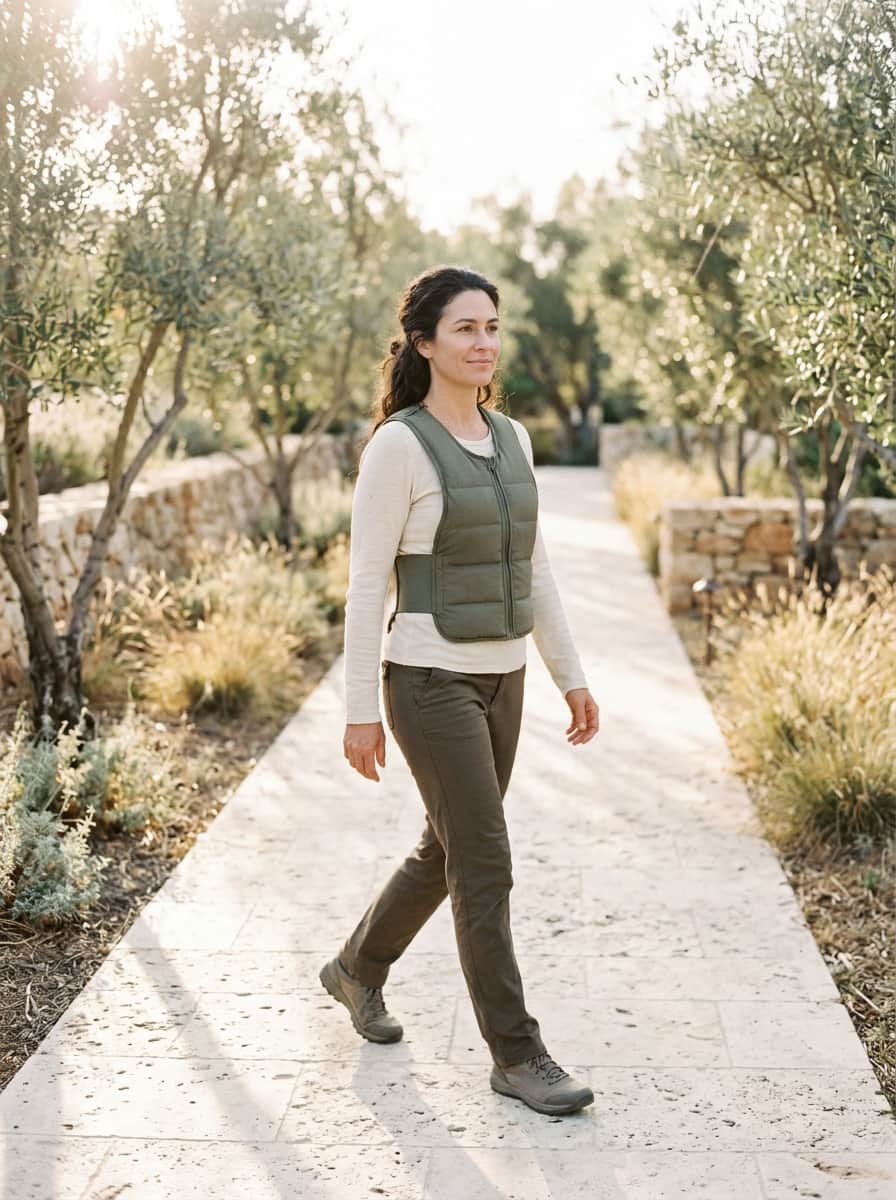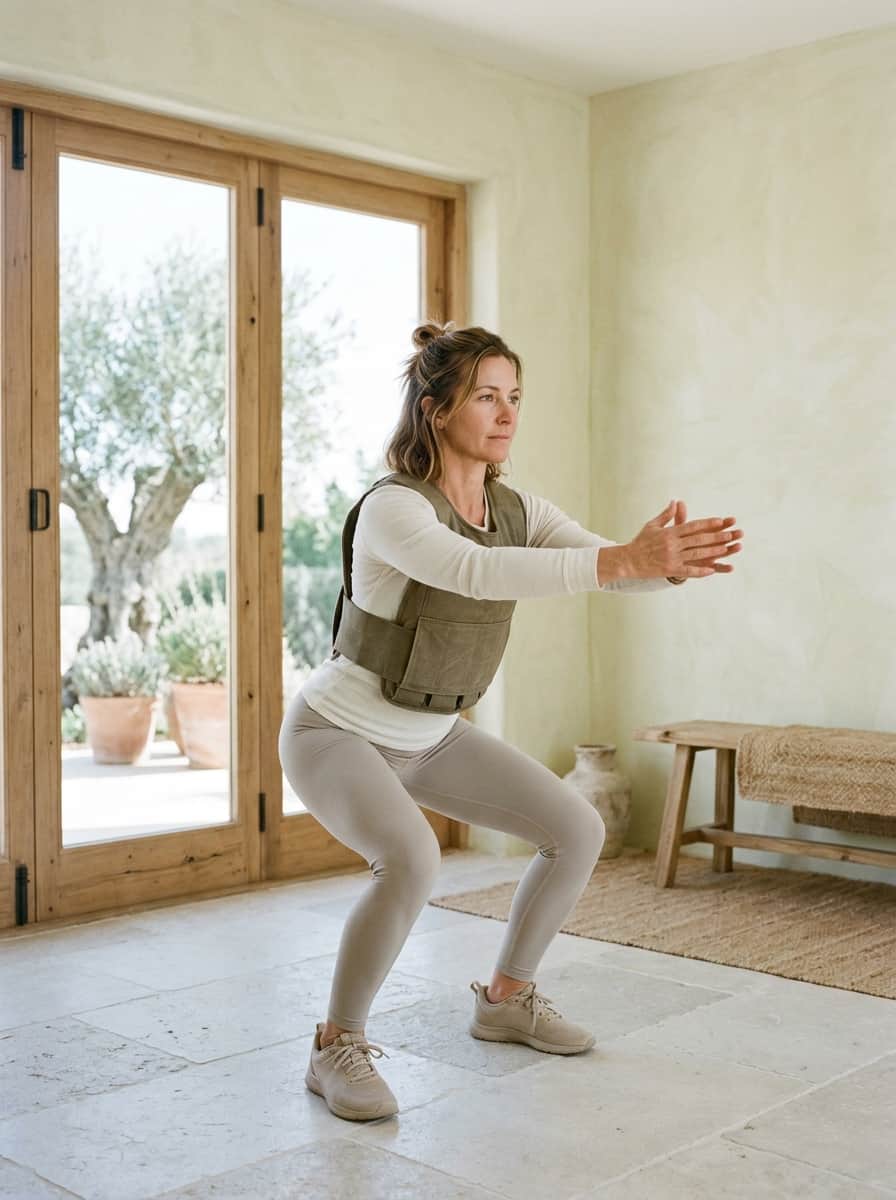
The best weighted vest for women is the Sportneer Adjustable Weighted Vest, thanks to removable sand packs that scale from 2 to 18 pounds and a zip-on design that sits more comfortably on a female torso than bulky unisex gear. If you prefer a simpler fixed-weight option, the ZELUS 12 lb vest is a simple, budget-friendly way to start adding gentle resistance to your walks and workouts.
Choosing the right vest comes down to three things: whether you want adjustable or fixed weight, how the vest fits your frame, and starting light enough to feel confident. Below we walk you through four standout picks, what each does best, and how to decide. If you are new to the idea entirely, our guide to weighted vests for women: benefits, safety and how to start is a gentle place to begin.
Our Top Pick

Sportneer Adjustable Weighted Vest for Women 2-18 lbs wins because it lets you start as light as 2 pounds and add weight only when your body feels ready, which is exactly how beginners build strength safely.
Quick Comparison
| Product | Best For | Why It Wins |
|---|---|---|
| Sportneer Adjustable 2-18 lbs | Best adjustable weighted vest for women | Removable sand packs scale from 2 to 18 lbs |
| ZELUS 12 lb | Best fixed vest for beginners | Simple, secure and budget-friendly |
| Poudee 12 lb Adjustable | Best for walking and jogging | Adjustable fit with reflective stripe |
| ZELUS 20 lb | Best for building strength | More resistance once you progress |
Best Adjustable Weighted Vest for Women
The Sportneer is our favorite because adjustability removes the guesswork. You can pull out individual sand packs to find a weight that feels challenging but manageable, then add more as you grow stronger. The zip-on front tends to sit closer to a shorter torso, and the washable, removable packs keep it fresh over time.
Pros:
- Adjusts from 2 to 18 lbs in small increments
- Removable, washable sand packs
- Zip-on fit designed with women in mind
- Reflective strips for low-light walks
Cons: The sand packs can shift slightly if you do not snug the straps fully.
Best Fixed Vest for Beginners

The ZELUS 12 lb Weighted Vest keeps things refreshingly simple. There are no packs to fiddle with, just one secure, snug fit you can put on and go. Twelve pounds suits women who have already worked up from a lighter load (for a 160 lb woman it is about 7.5 percent of body weight, so most beginners should start lighter), and the reflective stripe adds a little visibility for early morning or evening strolls.
Pros:
- Straightforward, no adjusting needed
- Comfortable, secure fit once strapped
- Reflective stripe for visibility
- Budget-friendly pick
Cons: Fixed weight means you cannot lighten it on tired days or increase it later.
Best for Walking and Jogging

The Poudee 12 lb Adjustable Weighted Vest is built with movement in mind. Its adjustable straps help you dial in a snug fit that stays put during a brisk walk or a gentle jog, which matters when you want weight close to your core rather than bouncing around. The reflective detailing is a thoughtful touch for outdoor routines. If walking is your main goal, pair it with our tips on Japanese walking with a weighted vest.
Pros:
- Adjustable straps for a secure, close fit
- Comfortable for walking and light jogging
- Reflective stripe for low-light safety
- Works for a range of body shapes
Cons: At a fixed 12 lbs total, it may feel heavy if you are brand new to vests.
Best for Building Strength

Once your body has adapted to lighter loads, the ZELUS 20 lb Weighted Vest offers more resistance for bodyweight exercises, step-ups and strength-focused sessions. It carries the same secure, simple design as its 12 lb sibling, just with extra weight. This is a progression pick rather than a starting point, so we only suggest it once lighter vests feel comfortable.
Pros:
- Added resistance for stronger sessions
- Secure, snug fit
- Reflective stripe included
- Durable, no-fuss construction
Cons: Twenty pounds is too much for most beginners to start with.
Adjustable vs Fixed: Which Should You Choose?
If you are just starting out, adjustable usually wins. Being able to begin at a very light weight and add gradually protects your joints and builds confidence. Fixed vests, on the other hand, are simpler, often lighter on the wallet, and perfect if you already know your comfortable weight.
The guideline we use across all our vest guides is to start at about 5 percent of your body weight or less, increase slowly over weeks, and stay under about 10 percent for walking. Your own comfort should always lead. When in doubt, go lighter. You can explore gentle routines in our weighted vest workouts for women, and if you want the full picture, our best weighted vests for walking guide digs deeper into secure, lightweight options.
Fit Notes for a Female Torso
Many vests are designed as unisex, which can leave them feeling long or boxy on a shorter frame. Look for adjustable side or shoulder straps, a shape that sits above the hips, and even weight distribution so the load does not pull forward. If you carry more weight, our dedicated guide to weighted vests for plus-size women covers sizing and comfort in more detail.
How to Choose a Weighted Vest for Women
Most buying regret comes from choosing on weight alone. Start with how you plan to use the vest, then match the fit and the load to that. This quick decision table covers the situations we hear about most.
| If this sounds like you | Start with | Why |
|---|---|---|
| Brand new to added weight | An adjustable vest, loaded very light | You can begin at a few pounds and add packs only when you feel ready |
| You already know your comfortable load | A fixed vest at that weight | Fewer parts, quicker to put on, nothing to rearrange |
| You mostly want it for walks | A light, snug, low-bounce vest | Walking is repetitive, so small fit problems add up over a session |
| You want strength work at home | A heavier fixed vest or an adjustable one with room to grow | Squats and step-ups tolerate more load than a long walk does |
| You have a short torso or small frame | A shorter cut with side straps | Long unisex vests ride low and swing against the hips |
| You wear a larger size or a fuller bust | Long straps and a wide or U-neck front | Strap length decides fit more than the size label |
If two rows apply, the lighter, more adjustable answer is usually the safer first purchase. A vest you can scale down on a tired day is a vest you keep using.
Sizing: measure before you order
Vest sizing is inconsistent between brands, and many listings say "one size fits most" without saying what "most" means. Take two measurements before you buy: around your chest at the fullest point, and from the top of your shoulder down to where you want the vest to stop, which for most women is around the bottom of the rib cage. Compare both with the brand's size chart. If the chart is missing, look for long side straps that adjust well beyond your measurement, because a vest that only closes at the very end of its strap tends to pull open as you move.
Materials: sand, iron and the fabric around them
The weight inside a vest changes how it feels. Sand-filled packs, like the removable ones in the Sportneer, are soft and mold to your body, which many women find more comfortable against the ribs and back. They take up more space for the same weight, so a heavily loaded sand vest is bulkier. Iron or steel weights are denser, so the vest can be slimmer, but they feel harder and less forgiving if the fit is off. Neither is better in every case: for light loads and comfort, soft fill is easy to live with, and for heavier strength work, a slimmer profile can matter more.
The outer fabric matters for heat and skin comfort. Solid, thick shells tend to trap warmth on longer sessions, while mesh or perforated panels breathe better. Soft edging at the armholes and neck reduces rubbing, which you will notice after twenty minutes far more than in the first two.
Who Should Skip a Weighted Vest, or Wait
A vest is a tool, not a requirement. Some women are better served by walking or training without one first. Hold off and talk with your doctor or physical therapist if you are pregnant or recently postpartum, if you have a current back, hip, knee or pelvic floor issue, if you have a heart or blood pressure condition you are managing, or if you are returning from an injury. The same applies if your balance feels unsteady, because a vest shifts your center of mass.
If you are simply new to exercise, there is no rush. A few weeks of regular, unloaded walking builds the base a vest sits on. Our 30-day walking challenge is a gentle way to build that habit, and the Japanese walking method adds structure without any equipment. Good posture also makes the eventual vest more comfortable, and our posture correction guide covers the basics.
Common Mistakes When Buying and Using a Vest
- Buying the heaviest option "to grow into". A vest that is too heavy on day one tends to end up in a closet. Start lighter than you think you need.
- Ignoring torso length. A vest that sits on your hips swings with every step and pulls your shoulders forward.
- Leaving the straps loose. A little movement turns into bounce, and bounce turns into chafing and a sore neck.
- Adding weight and time together. Change one thing at a time: lengthen the session first, then add a small amount of load.
- Wearing it for everything. Many women get more from a vest on two or three sessions a week, with other walks and workouts unloaded.
- Skipping the shoes. Extra load magnifies a worn-out shoe. Our guide to shoes for Japanese walking and daily walks covers what to look for.
If you would rather add a little resistance without wearing it on your torso, ankle weights are another option for strength moves, and our ankle weight calculator suggests a light starting weight. For whole-body strength that uses your own weight first, functional fitness for daily life is a good companion read.
Care and Washing
Sweat and skin oils build up in the fabric, especially at the shoulders. If your vest has removable weights, take them out and hand wash or gently machine wash the shell according to the label, then air dry it fully before putting the weights back. Fixed-weight vests usually need spot cleaning with a damp cloth and mild soap, because soaking the weighted sections can leave them damp inside. Hang the vest to dry rather than laying it flat on a heater, and store it hanging or flat so the straps and hook-and-loop closures keep their shape. Pressing the hook-and-loop strips together when you store the vest keeps lint out and helps them grip longer.
How We Chose
We prioritized vests with secure, adjustable fits, breathable or washable materials, and light starting weights that suit women new to resistance. We favored designs with even weight distribution and thoughtful details like reflective stripes, and we compared the weights, straps and materials each brand states rather than marketing claims. Value mattered too, so our picks span budget-friendly and more premium options.
Frequently Asked Questions
What is the best weight for a weighted vest for women?
Start at about 5 percent of your body weight or less, which for many women is 4 to 8 lb. Build up slowly, and for walking stay under about 10 percent of body weight.
Is an adjustable or fixed weighted vest better for beginners?
Adjustable is usually better for beginners, because you can start very light and add small amounts as you progress. A fixed vest is simpler and works well once you know your comfortable weight.
Can I walk in a weighted vest every day?
You can, if the load is light and your back, hips and knees feel fine the next day. Many women wear a vest on a few walks a week and keep other walks unloaded.
How should a weighted vest fit a woman?
It should sit snug on your upper torso, above the hips, without bouncing, squeezing your ribs or pressing on your chest. Adjustable side straps and a shorter cut help on smaller frames.
Is a sand-filled or iron weighted vest better for women?
Sand-filled packs feel softer and mold to the body, which suits light loads and walking. Iron or steel weights make a slimmer vest for heavier loads but feel harder. For a first vest, comfort usually matters more than a slim profile.
How do I wash a weighted vest?
Remove any weight packs, then wash the shell by hand or on a gentle cycle as the label allows and air dry it fully. Spot clean fixed-weight vests with a damp cloth and mild soap instead of soaking them.
The Bottom Line
The best weighted vest for women depends on where you are starting. For most, the adjustable Sportneer 2-18 lbs offers the safest, most flexible path, while the fixed ZELUS 12 lb is a simple, affordable entry point. Choose a vest that fits your frame, start lighter than you think you need, and build up gradually. If you have any joint concerns, a chat with your healthcare provider or physical therapist before adding load is always a wise step. For more on movement that pairs well with a vest, browse our exercise section.