When you purchase through links on our site, we may earn an affiliate commission. Here's how it works.
A gratitude meditation is a short, quiet sit in which you settle your breath, bring three specific good things to mind, and stay with each one long enough to feel it in your body. Five minutes is plenty. The difference from simply "thinking positive" is the pause: you are not listing blessings, you are noticing what each one actually feels like.
Below you will find a word-for-word 5-minute script, three variations for different moods and times of day, and the mistakes that make the practice feel forced.
How to do a gratitude meditation: the 5-minute script
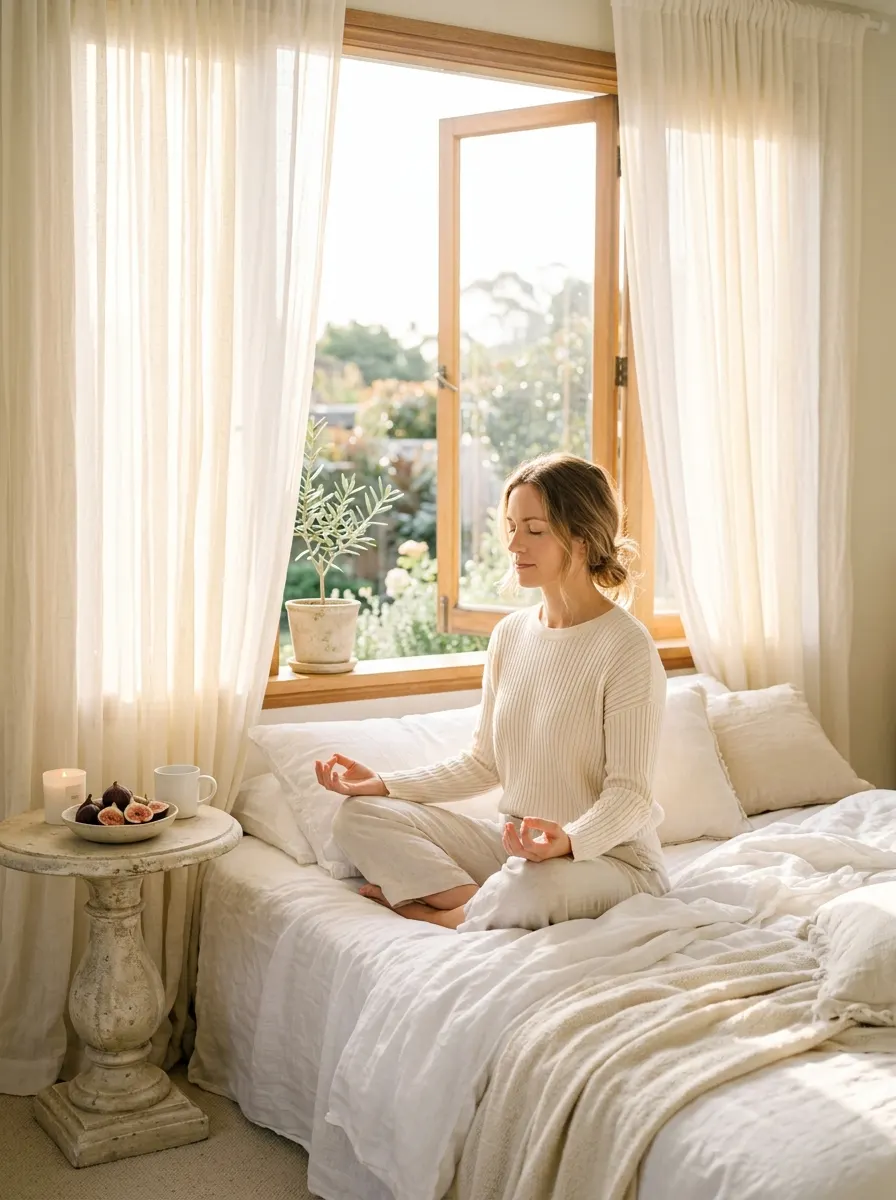
Sit on a chair or cushion, or lie down if you are doing this at night. Set a gentle timer for five minutes. Read the script slowly, or record it on your phone and play it back. If the slow breaths at the start feel awkward, a breathing pacer can show you the rhythm first.
| Time | Phase | What you do |
|---|---|---|
| 0:00 to 1:00 | Arrive | Three slow breaths, longer exhale, soften the face |
| 1:00 to 3:30 | Three good things | One specific moment at a time, about 50 seconds each |
| 3:30 to 4:30 | Feel it in the body | Notice where warmth or ease shows up, and rest there |
| 4:30 to 5:00 | Close | One sentence of thanks, then open your eyes |
The script
Arrive. Let your hands rest. Breathe in gently through your nose, and let the breath out a little slower than it came in. Again. And once more. Let your forehead and jaw soften. (pause)
First good thing. Bring to mind one specific moment from the last day or two that you are glad happened. Make it small and concrete: a text from a friend, the first sip of coffee, sunlight on the kitchen table. See it as clearly as you can. Where were you? What did you hear? (pause for a few breaths)
Second good thing. Now a person. Someone who made your day a little easier, even in a tiny way. Picture their face. Silently say, "Thank you for that." (pause)
Third good thing. Now something about your own body or self. Legs that carried you, hands that cooked, the patience you showed yesterday. Let it count. (pause)
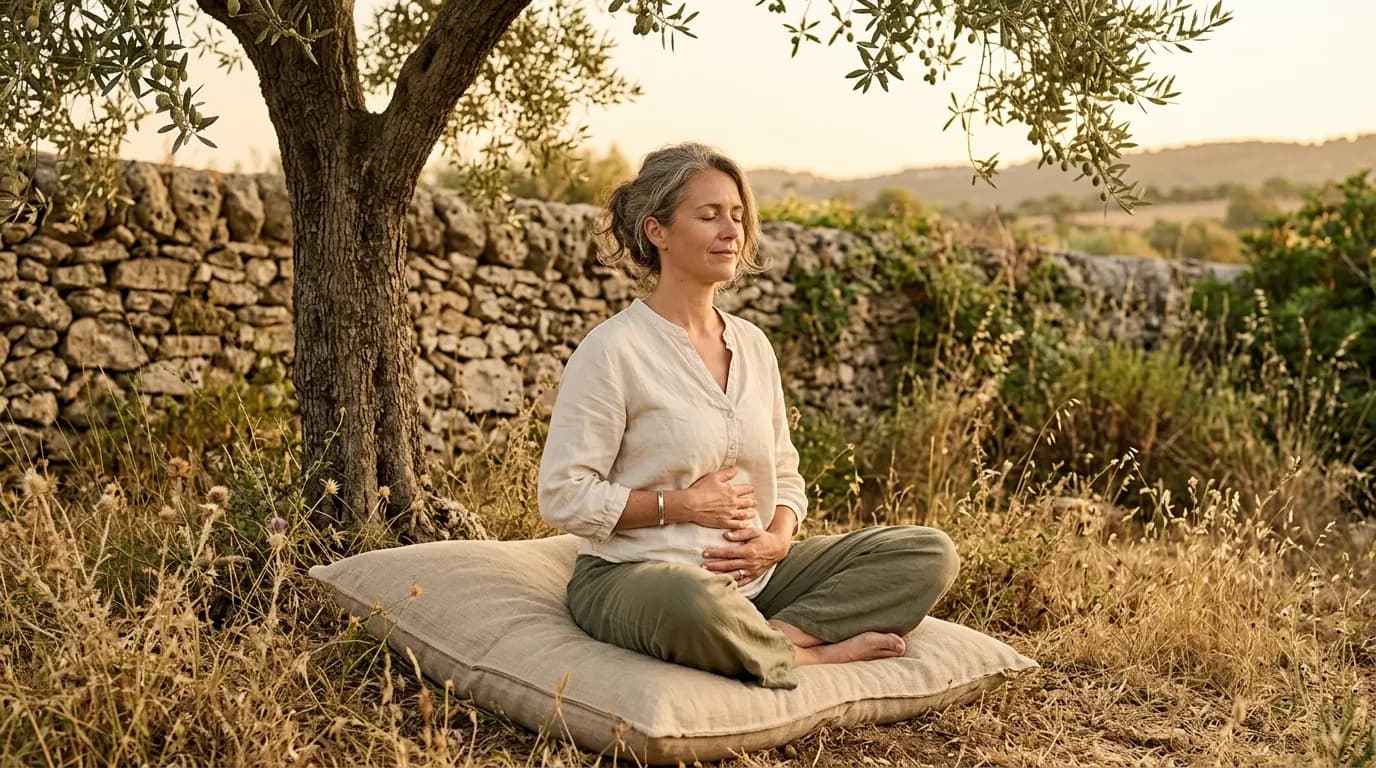
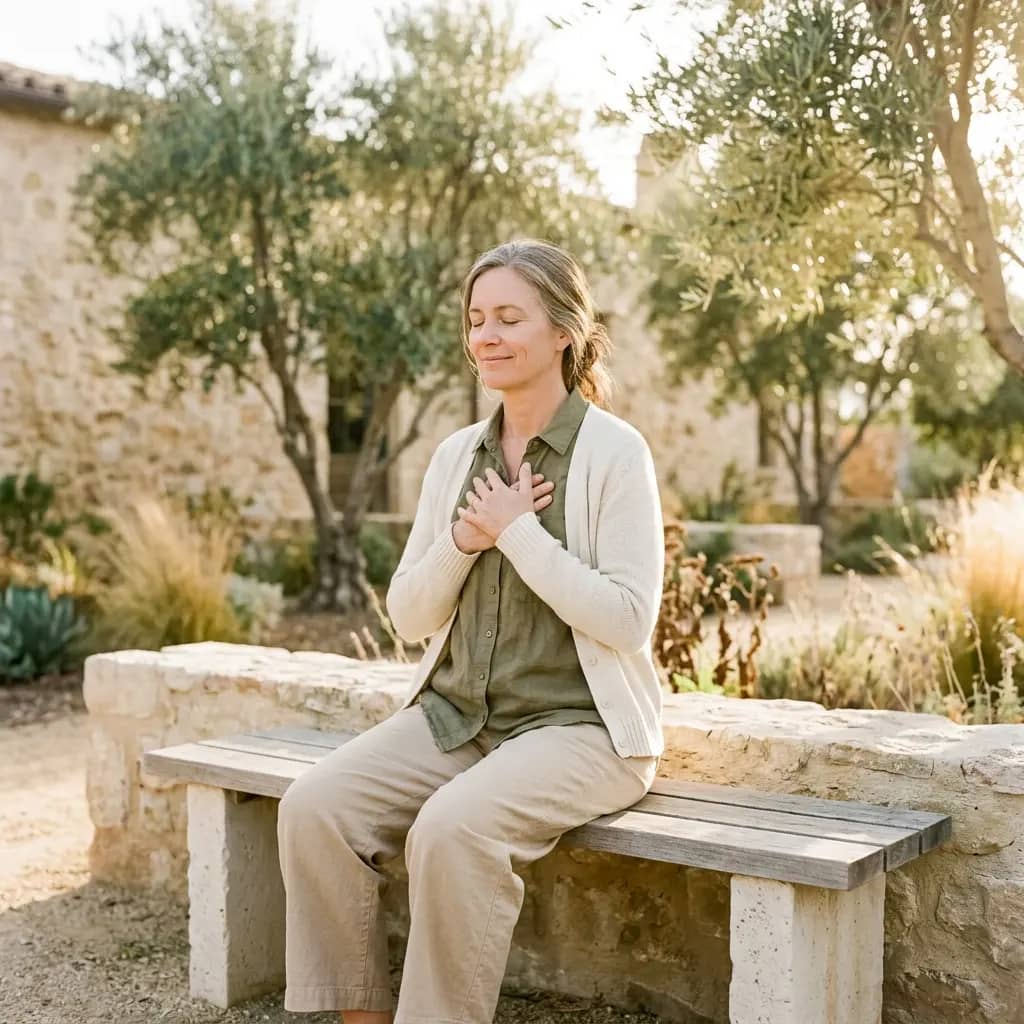
Feel it. Notice where in your body these moments land. Many people feel something in the chest, the face or the belly: warmth, lightness, a softer breath. If you feel nothing in particular, that is fine too. Simply rest your attention on the breath for a few moments. (pause)
Close. Say silently, "I am grateful for this day, as it is." Take one more breath, and open your eyes.
Why specific beats general
"I'm grateful for my family" is true, but it is a category, and categories are easy to say without feeling anything. "My son hugged me without being asked this morning" is a moment, and moments bring sensory detail with them. That detail is what turns a list into a meditation. It is the same skill used in visualization for goals, only pointed at moments that already happened.
The same principle runs through our 30-day gratitude practice, which uses writing rather than sitting. The two pair well: meditate on the moments, then jot them down.
What the evidence says about gratitude
Gratitude has been studied mostly through writing exercises rather than meditation. In one well-known study described by Harvard Health, people who wrote weekly about things they were grateful for felt more optimistic and better about their lives after ten weeks than people who wrote about irritations. That supports the idea behind this practice, but gratitude meditation itself has been studied less, so treat the benefits as possible rather than guaranteed. It is a mood-supporting habit, not a treatment for depression or anxiety.
Three variations for different days
1. Loving-kindness with gratitude (7 minutes)
Use this when you feel disconnected from people. After the "three good things" step, choose the person from your second item and silently offer them a few wishes: "May you be happy. May you be healthy. May you feel safe." Then offer the same wishes to yourself. This blends gratitude with loving-kindness (metta) meditation, a traditional practice of wishing well to yourself and others. If you want a quiet daily practice built around self-reflection, our guide on how to connect with your higher self goes further.
2. Walking gratitude (10 minutes)
Use this when sitting still feels impossible. Walk slowly, indoors or outside. Every minute or so, name one thing you can see, hear or feel that you appreciate: the give of the grass, a bird, cool air on your hands. Walking slowly and noticing is the meditation. If you already walk most days, this slots into a normal Japanese interval walk during the easy minutes.
3. Evening gratitude in bed (3 minutes)
Use this when your mind replays the day at night. Lying down, think of three moments from today that went well, however small, and stay with each for a few breaths. Keep your breathing slow and let the last one fade as you rest. If you would rather be talked through it, a guided sleep meditation can follow straight on. For a fuller wind-down, combine it with our mindfulness techniques for better rest.
Common mistakes (and what to do instead)
- Listing too fast. Ten items in thirty seconds is a to-do list. Choose three and stay with each.
- Forcing a feeling. You do not have to feel overwhelming thankfulness. Noticing a slight ease is enough, and noticing nothing is also part of practice.
- Comparing yourself to others. "At least I'm better off than..." brings in judgment. Keep the focus on what is good, not on who has less.
- Using gratitude to cover pain. On a hard day, gratitude does not mean pretending everything is fine. You can be grateful for one cup of tea and still be sad. Both are allowed, and if difficult feelings keep coming up, gentle shadow work journaling gives them room.
- Repeating the same three items every day. Familiar items stop landing. Look for something new from the last 24 hours, even if small.
Pair it with a journal
Writing your three moments down after the meditation makes them easier to recall later and gives you something to reread on a bad day.
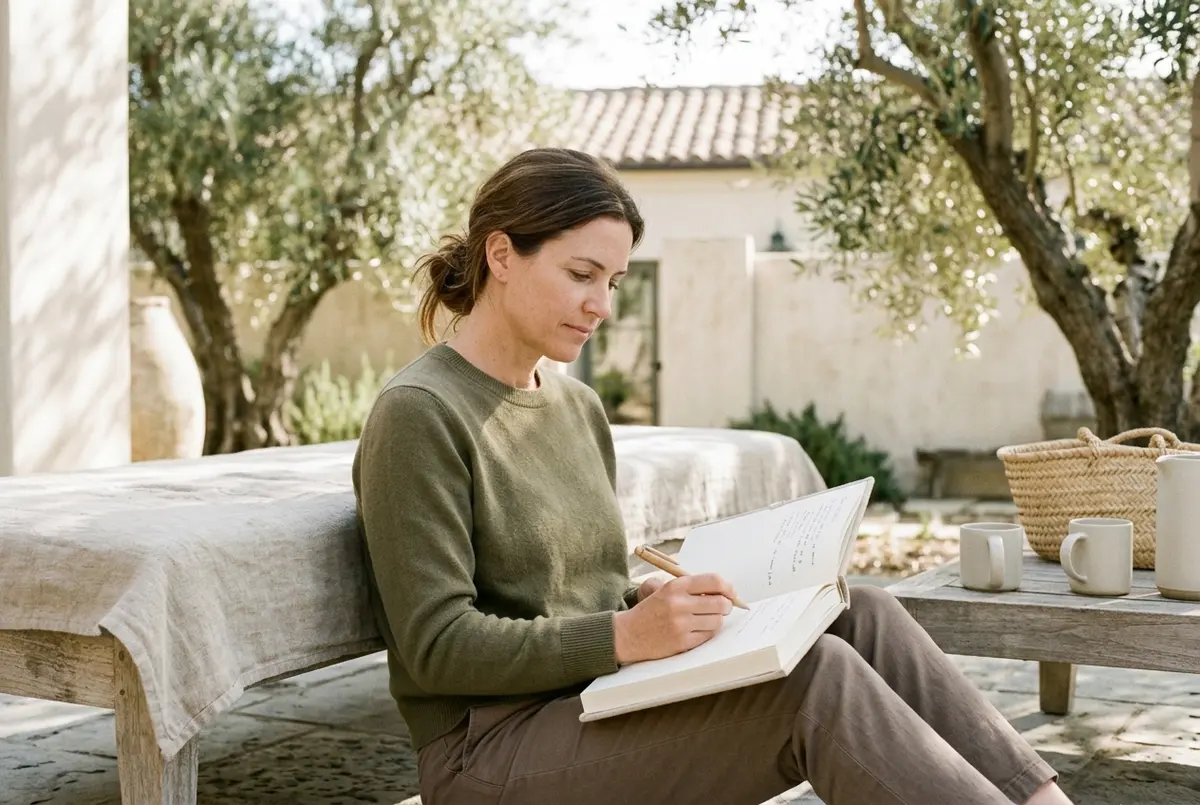
The Five Minute Journal has short morning and evening prompts that include gratitude, which suits people who want structure and little writing. Its downside is that the same prompts every day can start to feel repetitive. For more options, including undated and 90-day journals, see our mindfulness journal comparison.
Frequently Asked Questions
How long should a gratitude meditation be?
Three to five minutes is enough for most people, especially at the start. You can extend it to ten minutes by adding a loving-kindness or walking variation. A short practice you repeat often is more useful than a long one you rarely do.
Is it better to do a gratitude meditation in the morning or at night?
Either works, so choose the time you can protect. Morning practice can set the tone for the day (it is one step of our 5-minute morning mindfulness meditation), while evening practice can help you end the day on what went well. Some people do a short version at both times.
What if I cannot think of anything to be grateful for?
Start very small and physical: the breath you are taking, a warm drink, a comfortable chair. On a difficult day, one small thing is enough. If you feel unable to find anything good for weeks, that is worth raising with a doctor or therapist.
What is the difference between gratitude meditation and a gratitude journal?
A gratitude meditation is about feeling each good moment in your body for a few breaths. A gratitude journal is about writing the moments down. They work well together: meditate first, then write a line for each moment.
Can gratitude meditation help with anxiety?
It may support a calmer, more positive mood for some people, but it is not a treatment for anxiety. If anxiety is affecting your daily life, talk to a health professional. Gratitude practice can sit alongside that care, as can simple grounding exercises for anxiety.