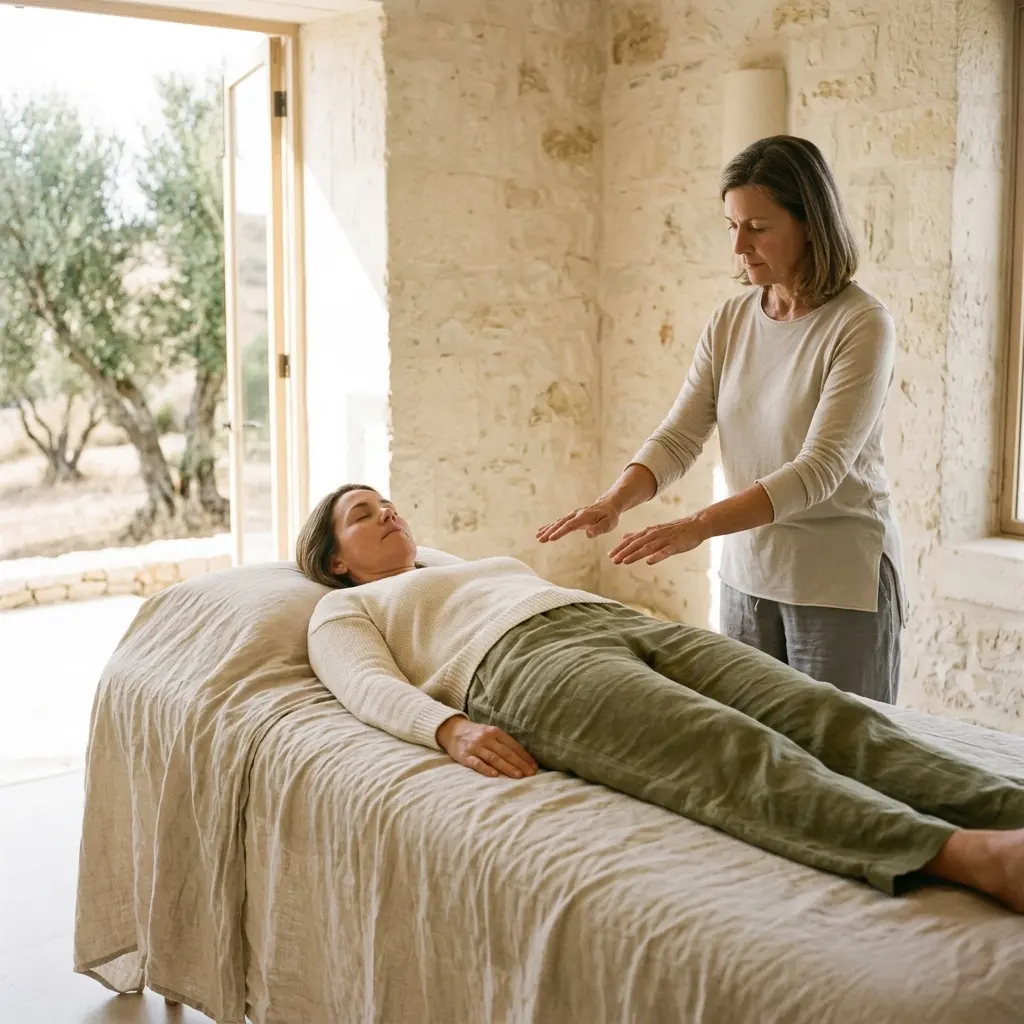
Reiki healing is a gentle, light-touch practice that developed in Japan in the early 20th century. In a session you lie fully clothed while a practitioner places their hands lightly on or just above your body, usually moving through a set sequence of positions from head to feet. Many people find it deeply relaxing. Research, however, has not clearly shown that Reiki works for any specific health condition, so it belongs alongside medical care, never in place of it.
This guide walks you through what actually happens in a session, what the research does and does not show, how to choose a practitioner, and a few questions to ask before you book. If you are curious but cautious, that is exactly the right starting point.
What is Reiki?
Reiki is based on the idea that a practitioner can channel a universal life energy to support relaxation and balance. The word is usually translated from Japanese as "universal life energy." Practitioners learn through levels of training called attunements, often described as first, second and master level.
It helps to separate two things. The experience of a Reiki session (quiet, warm, unhurried, with gentle touch) is real and many people enjoy it. The explanation of how it works (an energy field the practitioner directs) has not been confirmed scientifically. You can value the first without needing to accept the second.
What happens in a Reiki session?
Sessions vary by practitioner, but a typical first visit looks like this:
- A short conversation. The practitioner asks why you came, any health conditions, and whether there are places you would prefer not to be touched. Say if you would like hands-off (hovering) work only.
- Lying down, fully clothed. You lie on a massage table, usually on your back, with a blanket if you like. Shoes, glasses and jewelry may come off. There is no undressing and no oil.
- Hand positions. The practitioner rests their hands lightly on or just above areas such as the head, shoulders, chest, abdomen, knees and feet, staying a few minutes in each position. It is quiet, sometimes with soft music.
- What you may notice. Many people describe warmth, tingling, deep relaxation or falling asleep. Some feel emotional. Others feel nothing in particular. All of these are normal. If feelings come up strongly, simple grounding exercises for anxiety can help you settle afterwards.
- Closing. You get up slowly, drink some water, and the practitioner may ask how you feel.
Sessions often run around an hour, sometimes shorter. You are always in charge: you can ask the practitioner to change positions, stop touching, or end the session at any time.
What does the research show about Reiki?
This is where honesty matters most, and where many Reiki pages overstate the case.
According to the US National Center for Complementary and Integrative Health (NCCIH), Reiki has not been clearly shown to be effective for any health-related purpose. It has been studied for conditions such as pain, anxiety and depression, but most of that research has not been of high quality and the results have been inconsistent. NCCIH also notes there is no scientific evidence that the energy field Reiki describes exists, and that Reiki has not been shown to be harmful.
A Cochrane review on Reiki for anxiety and depression found only three small studies that met its criteria and concluded there was not enough evidence to say whether Reiki helps adults with anxiety or depression.
| Common claim | What the evidence says |
|---|---|
| Reiki is relaxing | Many people report feeling calm; a quiet hour of gentle attention is relaxing for many people regardless of mechanism |
| Reiki treats pain, anxiety or depression | Not clearly shown; studies are mostly small and of limited quality |
| Reiki moves or balances an energy field | No scientific evidence that such a field exists |
| Distance Reiki works the same as in person | No reliable evidence either way; treat it as a personal practice, not a treatment |
| Reiki is safe | Not shown to cause harm; the main risk is delaying medical care |
Meditation research is in a similar place in some areas, and our look at the physical benefits of meditation separates what holds up from what does not. The bottom line: Reiki may be a pleasant, calming experience for some people. It is not a treatment for illness, and it should never replace or delay medical or mental health care.
Who might enjoy Reiki, and who should talk to a doctor first?
Reiki may suit you if you enjoy quiet, restful practices, want a gentle form of touch, or are looking for a calming complement to care you are already receiving. Some hospitals offer it within integrative care programs for exactly that reason.
Talk to your doctor before relying on it if you have a new or worsening symptom, a serious or chronic condition, or a mental health concern. Use Reiki alongside your treatment plan, not as a substitute, and tell your care team you are using it. If you have a history of trauma and touch feels difficult, ask for hands-off work or skip it.
What about chakras, crystals and Reiki massage?
You will often see Reiki mixed with other practices:
- Chakras. Many practitioners describe their hand positions in terms of the seven chakras, a concept from Indian traditions. It is a framework for the practice, not something research has confirmed. The same framework appears in tantric yoga, where it is used as a focus for breath and attention. Chakras are also often paired with colors, which overlaps with color therapy.
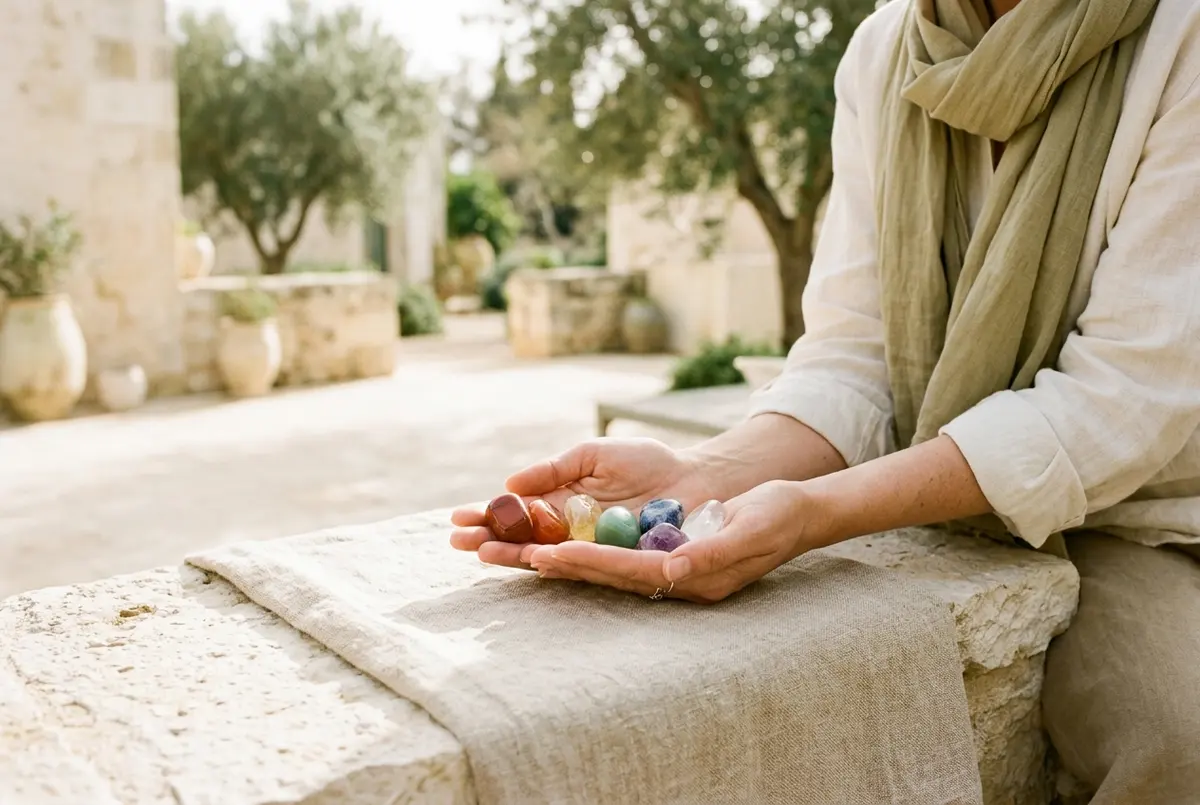
- Crystals. Some practitioners place stones on or around you. That is an add-on, not part of traditional Reiki, and there is no evidence that crystals add any health effect. If you enjoy them, fine; if not, ask for a session without.
- Reiki massage. Reiki itself is not massage. Some licensed massage therapists combine the two. If you want massage, look for a licensed massage therapist, and check that their license is current in your state.
How do you choose a Reiki practitioner?
There is no single national license for Reiki practitioners in the US, so training and experience vary widely. Before you book, ask:
- What level of training do you have, and how long have you practiced?
- Do you work hands-on, hands-off, or both, and can I choose?
- How long is a session and what does it cost? (Prices vary a lot by location, so ask upfront.)
- Do you ever advise clients about medical conditions or medication? (The answer should be no.)
- Do you hold any other license, such as nursing or massage therapy?
Walk away from anyone who promises to cure an illness, tells you to stop a medication, or pressures you to buy long packages.
Calm practices you can do at home
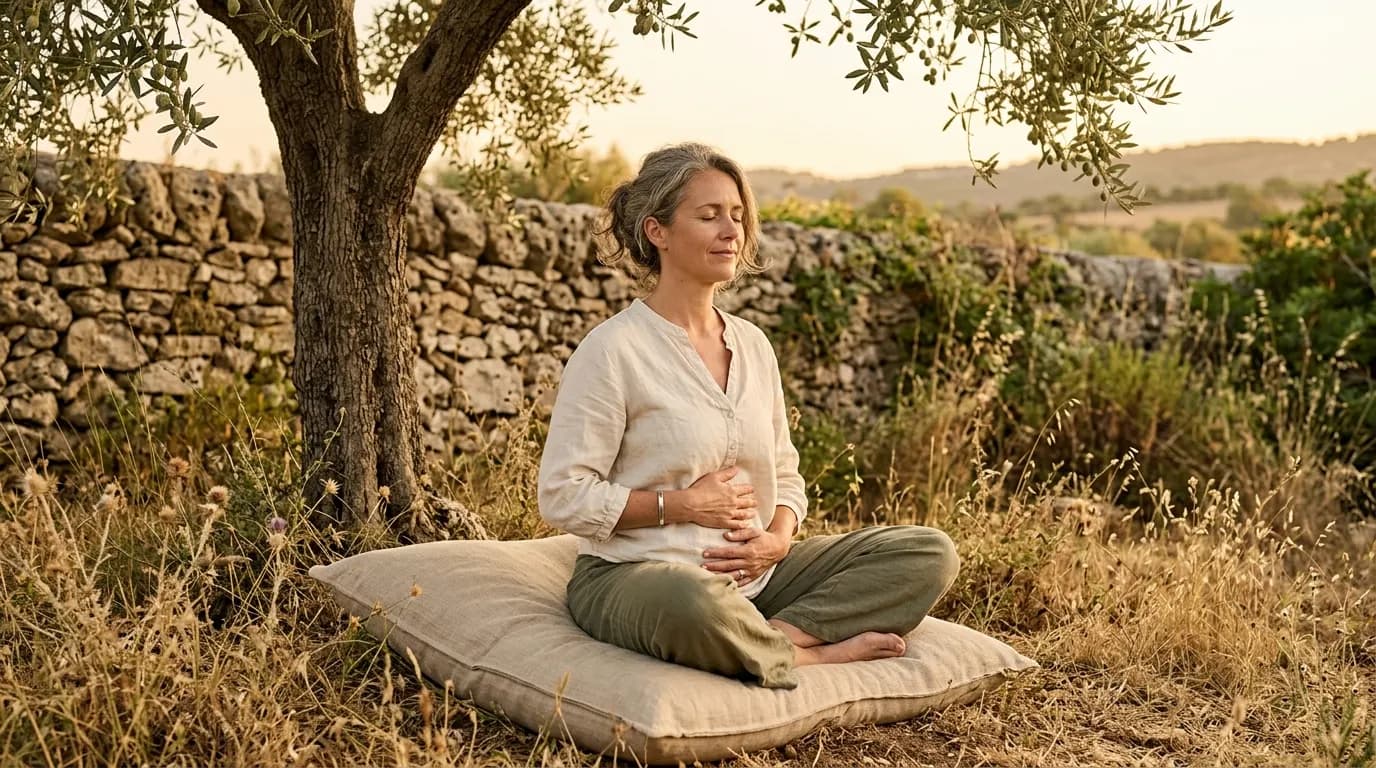
If what draws you to Reiki is the deep rest, you can build some of that at home for free. A guided yoga nidra session, a sound bath meditation or ten minutes of slow breathing with a longer exhale, paced by our free breathing pacer, are good starting points. Some people also like a simple self-practice: lie down, rest your hands on your chest and belly, and breathe slowly for five minutes. Done in bed, it pairs well with a guided sleep meditation.
For everyday energy, our guides on protecting your energy and shifting low vibrational energy focus on boundaries, recovery and quick resets. More gentle practices live in Healing & Spirituality.
Frequently Asked Questions
What is Reiki healing and how does it work?
Reiki is a Japanese practice in which a practitioner rests their hands on or just above your body to support relaxation. Practitioners describe it as channeling life energy, but there is no scientific evidence for that energy field. What people most often report is feeling calm and rested.
What does a Reiki session feel like?
Many people feel warmth, tingling or deep relaxation, and some fall asleep. Others notice little at all. You stay fully clothed, and you can ask the practitioner to change positions or stop at any time.
Is Reiki scientifically proven?
No. According to NCCIH, Reiki has not been clearly shown to be effective for any health purpose, and most studies have been small or of low quality. It has also not been shown to be harmful.
Can Reiki replace medical treatment?
No. Reiki is complementary care at most. Keep following your doctor's treatment plan, tell your care team if you use Reiki, and see a doctor about any new or worsening symptom.
Is distance Reiki effective?
There is no reliable evidence that distance Reiki has health effects. Some people use it as a calming ritual, much like a guided meditation. Treat it as a personal practice rather than a treatment.